SERVICE AREA
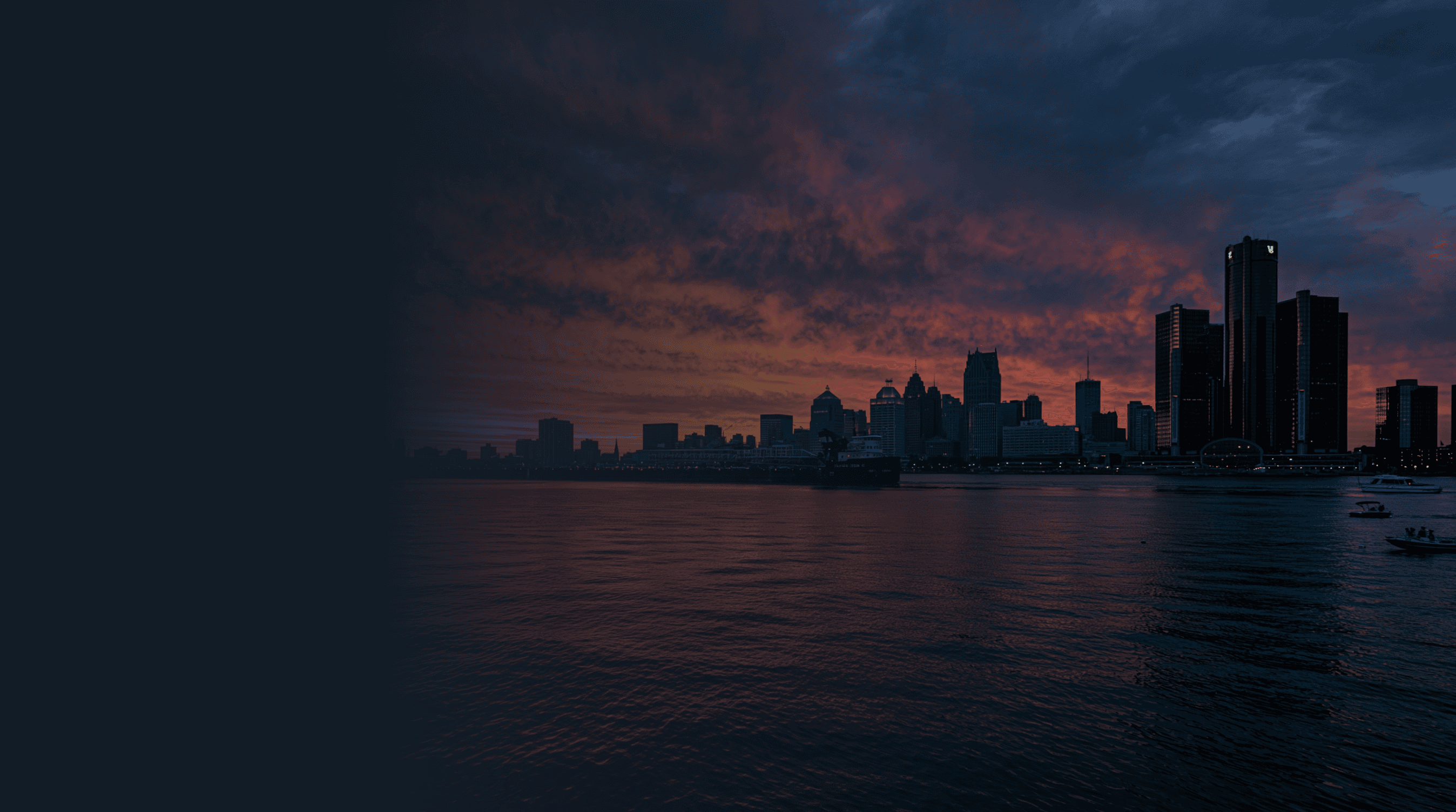
Captain Services on the Detroit River
USCG-licensed vessel deliveries, captain's coaching, and First Mate training for boat owners on the Detroit River, from Belle Isle down to Lake Erie. Based on Grosse Ile, at the river's mouth.
Or give me a call at (248) 497-5791. If I'm on the water, I'll call you back same day.
SERVICE AREA
Captain Services on the Detroit River
USCG-licensed vessel deliveries, captain's coaching, and First Mate training for boat owners on the Detroit River, from Belle Isle down to Lake Erie. Based on Grosse Ile, at the river's mouth.
Or give me a call at (248) 497-5791. If I'm on the water, I'll call you back same day.
SERVICE AREA
Captain Services on the Detroit River
USCG-licensed vessel deliveries, captain's coaching, and First Mate training for boat owners on the Detroit River, from Belle Isle down to Lake Erie. Based on Grosse Ile, at the river's mouth.
Or give me a call at (248) 497-5791. If I'm on the water, I'll call you back same day.
USCG Master 100 GRT
GREAT LAKES & INLAND WATERS
USCG Master 50 GRT
NEAR COASTAL
Commercial Towing Assistance
Endorsement
B.S. Mechanical Eng.
U of M Dearborn
Past Commodore
Ford Yacht Club · 2004–2006
USCG Master 100 GRT
GREAT LAKES & INLAND WATERS
USCG Master 50 GRT
NEAR COASTAL
Commercial Towing Assistance
Endorsement
B.S. Mechanical Eng.
U of M Dearborn
Past Commodore
Ford Yacht Club · 2004–2006
WHERE WE OPERATE
Home Waters
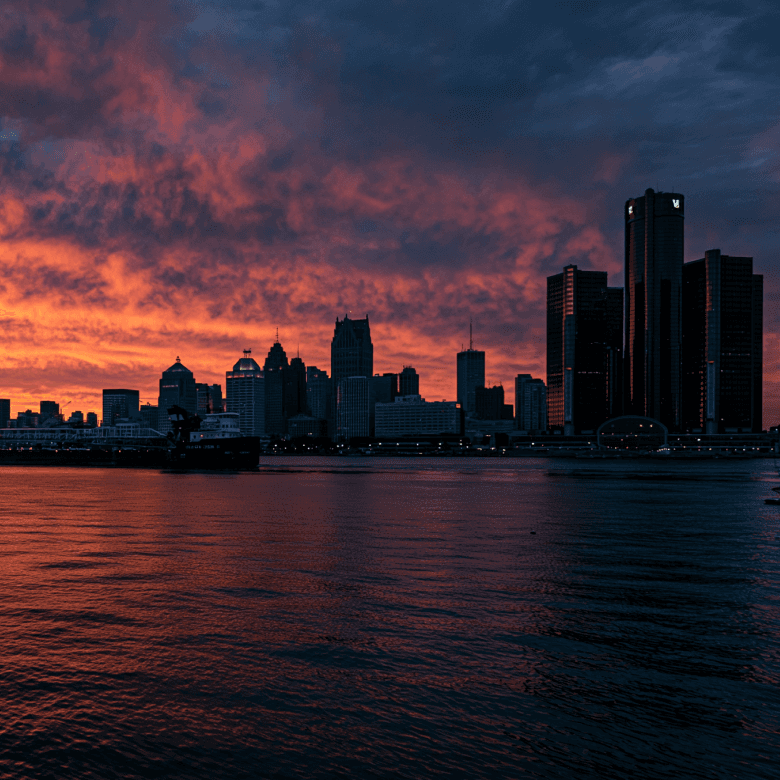
The Detroit River runs 28 miles from Lake St. Clair down to Lake Erie and forms the international border with Ontario the whole way. It’s home water. My office is on Grosse Ile at the river’s mouth, and I run the river constantly, in both directions, in the conditions you’ll actually meet out there.
If your boat lives anywhere on the river, from the Detroit waterfront near Belle Isle down through Wyandotte, the Trenton Channel, and the marinas on Grosse Ile, you’re in my regular operating area. I’ve delivered into and out of most of them. I know which approaches the current pushes you around in, where the freighters cut close, and what the bridge timing does to your afternoon.
A lot of people will offer to teach you to run a boat. Fewer hold a USCG Master’s license, and fewer still have run this particular river for decades. Both of those matter here more than on most water. The river is narrow, fast, internationally regulated, and shared with commercial traffic that can’t stop or steer around you. General boating experience gets you part of the way. Local experience is the rest.
WHAT I DO
What I do for Detroit River boat owners.
The full menu of services applies on the Detroit River — same as anywhere else on the Great Lakes. The most common engagements:
WHAT I DO
What I do for Detroit River boat owners.
The full menu of services applies on the Detroit River — same as anywhere else on the Great Lakes. The most common engagements:
WHAT TO KNOW
What you should know about boating on the Detroit River.
A few things I'd tell any new owner keeping a boat on the river.
01
There are two channels, and they are one-way.
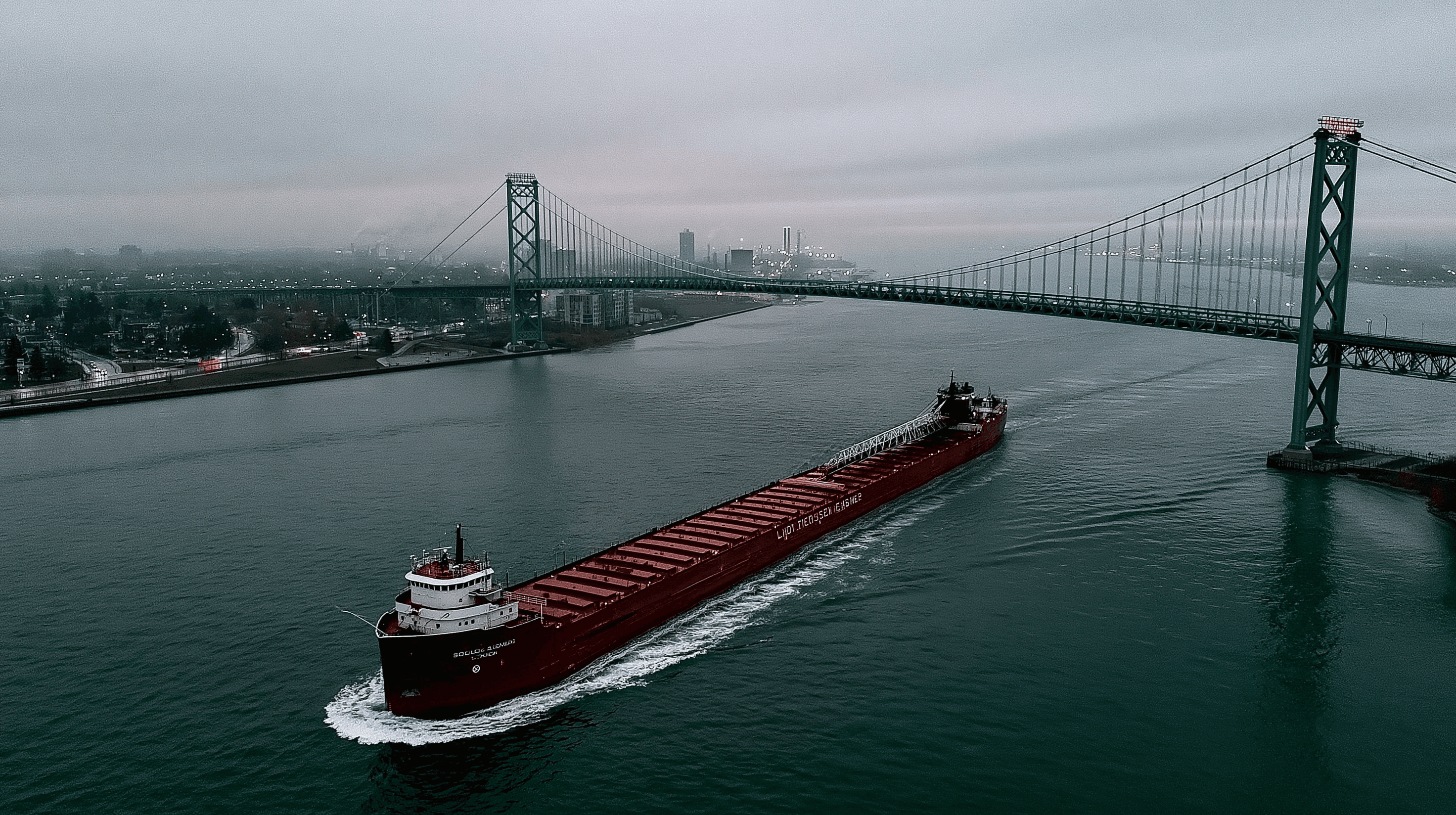
Most owners don't realize that the lower river splits into separate channels for upbound and downbound commercial traffic. The Amherstburg Channel handles upbound ships; the Livingstone Channel west of Bois Blanc Island handles downbound ships. You cannot just "use either channel." Pleasure craft generally stay out of these channels altogether unless transiting for a specific reason — and when you do enter them, you need to be going the right direction. Reading these channels correctly on the chart is fundamental Detroit River seamanship.
02
Five short blasts means move now.
03
The Belle Isle bridge will catch you.
04
The river runs strong.
05
You're in international waters.
WHAT TO KNOW
What you should know about boating on the Detroit River.
A few things I'd tell any new owner keeping a boat on the river.
01
There are two channels, and they are one-way.
Most owners don't realize that the lower river splits into separate channels for upbound and downbound commercial traffic. The Amherstburg Channel handles upbound ships; the Livingstone Channel west of Bois Blanc Island handles downbound ships. You cannot just "use either channel." Pleasure craft generally stay out of these channels altogether unless transiting for a specific reason — and when you do enter them, you need to be going the right direction. Reading these channels correctly on the chart is fundamental Detroit River seamanship.
02
Five short blasts means move now.
03
The Belle Isle bridge will catch you.
04
The river runs strong.
05
You're in international waters.
WHAT TO KNOW
What you should know about boating on the Detroit River.
A few things I'd tell any new owner keeping a boat on the river.
01
There are two channels, and they are one-way.
Most owners don't realize that the lower river splits into separate channels for upbound and downbound commercial traffic. The Amherstburg Channel handles upbound ships; the Livingstone Channel west of Bois Blanc Island handles downbound ships. You cannot just "use either channel." Pleasure craft generally stay out of these channels altogether unless transiting for a specific reason — and when you do enter them, you need to be going the right direction. Reading these channels correctly on the chart is fundamental Detroit River seamanship.
02
Five short blasts means move now.
03
The Belle Isle bridge will catch you.
04
The river runs strong.
05
You're in international waters.
WHAT A GENERALIST WON'T KNOW
What the Detroit River asks of a captain that other water doesn't.
Boating lessons are easy to find. Most of them are taught by people who've never brought a boat up this river. A few things that only come from running it.
01
Which channel, which direction, and when to stay out of both.
The lower river splits into one-way commercial channels: Amherstburg upbound, Livingstone downbound. A generalist reads them off the chart. I can tell you how the freighters actually use them, where recreational traffic gets squeezed, and where you should be when a laker is coming through.
02
What a freighter's wake and suction do to your boat.
03
How the current sets you at your own dock.
04
The border, the ferries, and the anchoring rules.
WHAT A GENERALIST WON'T KNOW
What the Detroit River asks of a captain that other water doesn't.
Boating lessons are easy to find. Most of them are taught by people who've never brought a boat up this river. A few things that only come from running it.
01
Which channel, which direction, and when to stay out of both.
The lower river splits into one-way commercial channels: Amherstburg upbound, Livingstone downbound. A generalist reads them off the chart. I can tell you how the freighters actually use them, where recreational traffic gets squeezed, and where you should be when a laker is coming through.
02
What a freighter's wake and suction do to your boat.
03
How the current sets you at your own dock.
04
The border, the ferries, and the anchoring rules.
WHAT A GENERALIST WON'T KNOW
What the Detroit River asks of a captain that other water doesn't.
Boating lessons are easy to find. Most of them are taught by people who've never brought a boat up this river. A few things that only come from running it.
01
Which channel, which direction, and when to stay out of both.
The lower river splits into one-way commercial channels: Amherstburg upbound, Livingstone downbound. A generalist reads them off the chart. I can tell you how the freighters actually use them, where recreational traffic gets squeezed, and where you should be when a laker is coming through.
02
What a freighter's wake and suction do to your boat.
03
How the current sets you at your own dock.
04
The border, the ferries, and the anchoring rules.
Local marinas I work with.
I've delivered boats to and from most of the marinas on and around Grosse Ile, including:
MARINAS (NOT LIMITED TO)
If your boat lives at any of these — or you're considering moving it to one — I can speak to the dockage, the approaches, and the local quirks from direct experience.
Local marinas I work with.
I've delivered boats to and from most of the marinas on and around Grosse Ile, including:
MARINAS (NOT LIMITED TO)
If your boat lives at any of these — or you're considering moving it to one — I can speak to the dockage, the approaches, and the local quirks from direct experience.
Local marinas I work with.
I've delivered boats to and from most of the marinas on and around Grosse Ile, including:
MARINAS (NOT LIMITED TO)
If your boat lives at any of these — or you're considering moving it to one — I can speak to the dockage, the approaches, and the local quirks from direct experience.
WHAT TO KNOW
Why Detroit River owners hire a professional captain.
A few reasons that come up most often:
01
The river intimidates new owners.
It should. The Detroit River is the most demanding water for new owners in SE Michigan — busy, fast-moving, internationally regulated, and trafficked by ships that dwarf any recreational vessel. New owners who learned to boat on a smaller inland lake often find their first season on the Detroit River genuinely stressful. Coaching is the fastest way to convert that stress into competence.
02
The boat just got bigger.
03
You bought the boat somewhere else.
04
Insurance asked for a captain.
EXCLUSIVE PROGRAM
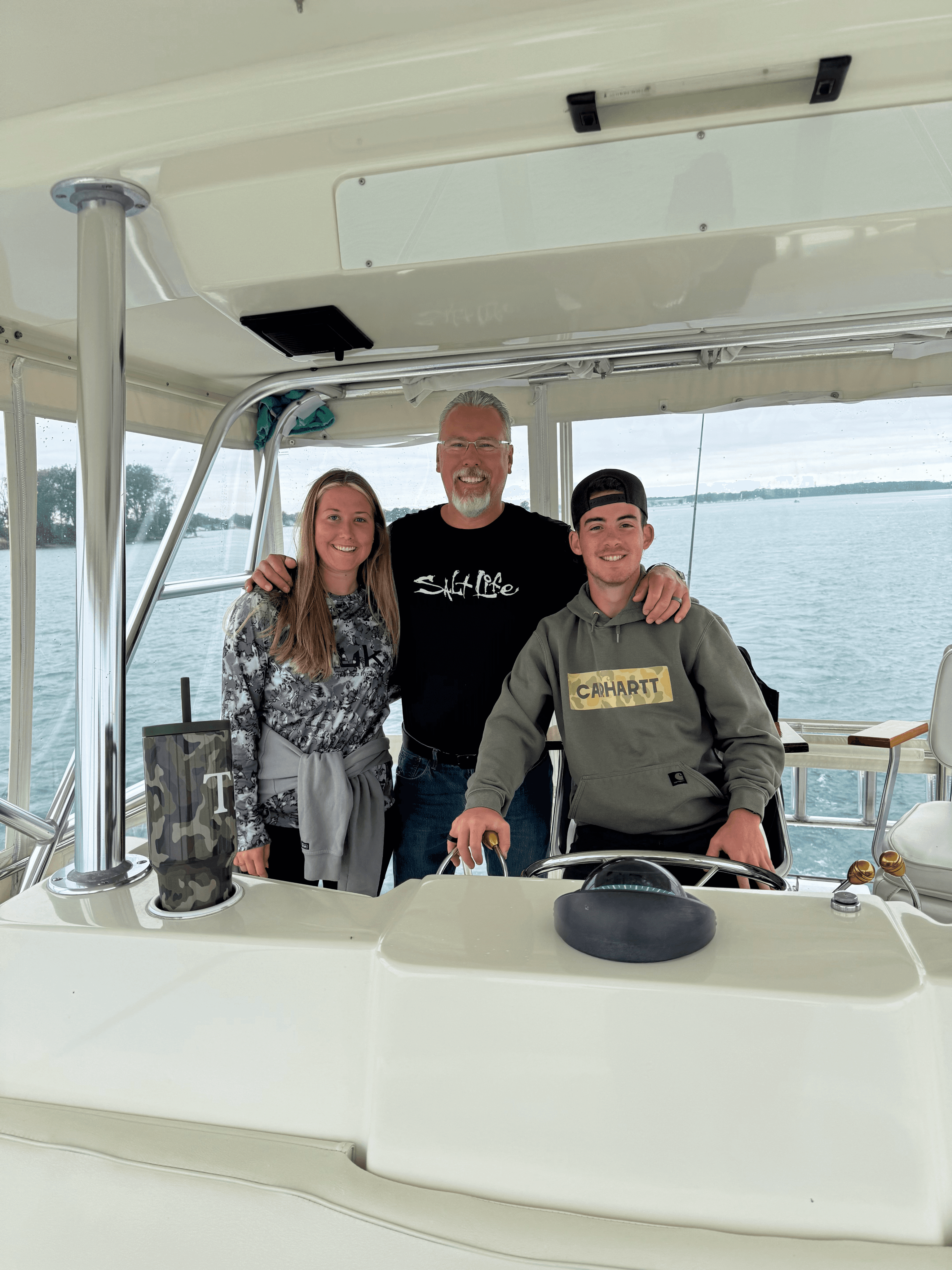
The First Mate Coaching Package
Deck leadership, dock lines, VHF radio, trip planning, and what to do in the terrifying event that your own captain has been injured or suffers a medical emergency. Your decisions and actions as the First Mate matter.
Let OCS bolster your knowledge and confidence. The only program of its kind on the Great Lakes.
WHAT TO KNOW
Why Detroit River owners hire a professional captain.
A few reasons that come up most often:
01
The river intimidates new owners.
It should. The Detroit River is the most demanding water for new owners in SE Michigan — busy, fast-moving, internationally regulated, and trafficked by ships that dwarf any recreational vessel. New owners who learned to boat on a smaller inland lake often find their first season on the Detroit River genuinely stressful. Coaching is the fastest way to convert that stress into competence.
02
The boat just got bigger.
03
You bought the boat somewhere else.
04
Insurance asked for a captain.
EXCLUSIVE PROGRAM
The First Mate Coaching Package
Deck leadership, dock lines, VHF radio, trip planning, and what to do in the terrifying event that your own captain has been injured or suffers a medical emergency. Your decisions and actions as the First Mate matter.
Let OCS bolster your knowledge and confidence. The only program of its kind on the Great Lakes.
WHAT TO KNOW
Why Detroit River owners hire a professional captain.
A few reasons that come up most often:
01
The river intimidates new owners.
It should. The Detroit River is the most demanding water for new owners in SE Michigan — busy, fast-moving, internationally regulated, and trafficked by ships that dwarf any recreational vessel. New owners who learned to boat on a smaller inland lake often find their first season on the Detroit River genuinely stressful. Coaching is the fastest way to convert that stress into competence.
02
The boat just got bigger.
03
You bought the boat somewhere else.
04
Insurance asked for a captain.
EXCLUSIVE PROGRAM
The First Mate Coaching Package
Deck leadership, dock lines, VHF radio, trip planning, and what to do in the terrifying event that your own captain has been injured or suffers a medical emergency. Your decisions and actions as the First Mate matter.
Let OCS bolster your knowledge and confidence. The only program of its kind on the Great Lakes.
ABOUT CAPTAIN TOM
Professionally licensed, with 36 years of context you can put to work.
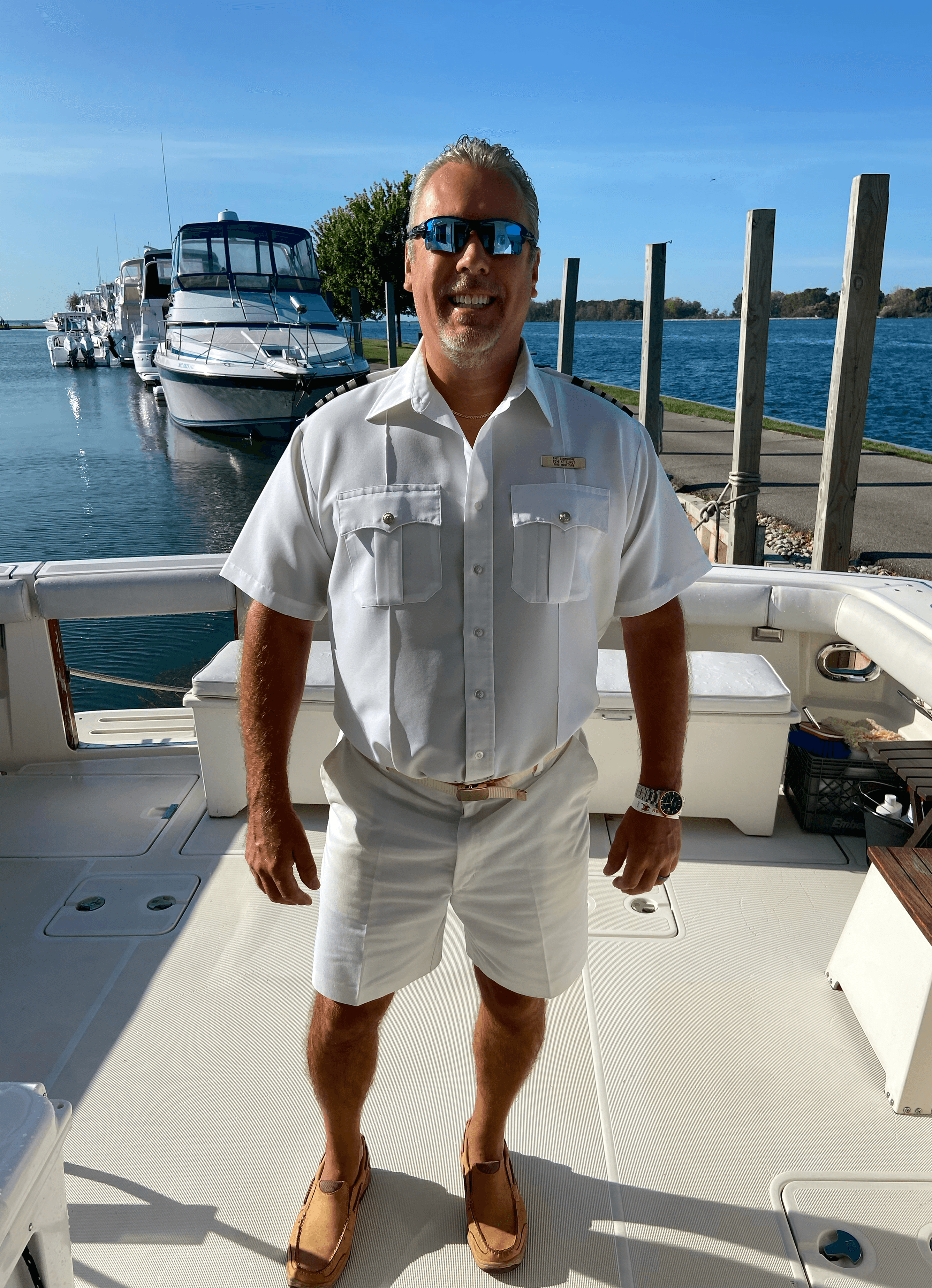
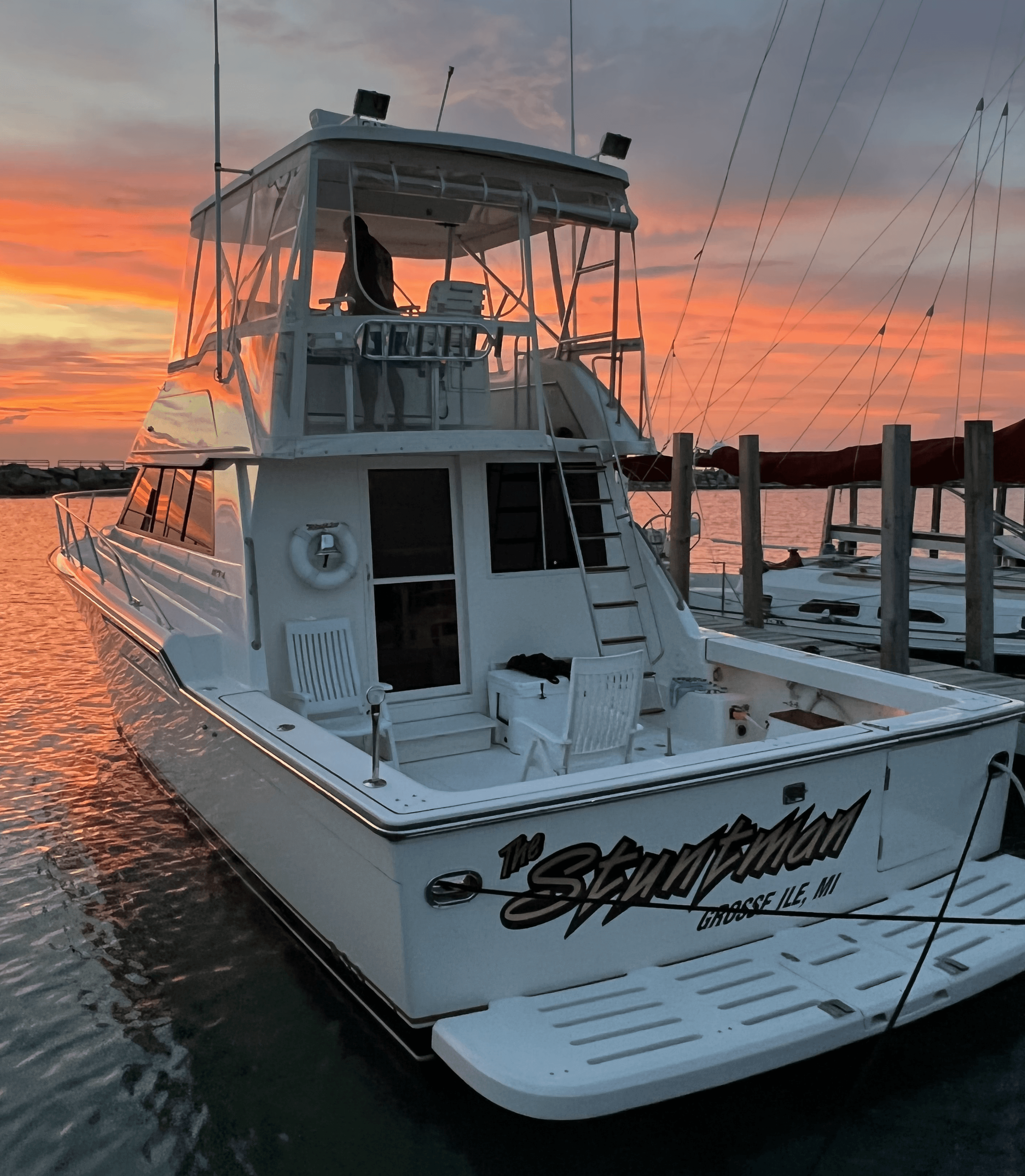
I've been on the Detroit River since I was a kid. My office sits on Grosse Ile at the south end of the river, and I run the corridor between Lake St. Clair and Lake Erie as part of nearly every workweek during the season. Three years on the Ford Yacht Club Board of Directors, Commodore from 2004 to 2006. Currently President of the Ford Yacht Club Past Commodores. I hold a USCG Master 100 GRT license for the Great Lakes and Inland Waters, plus a 50 GRT Near Coastal Master, both with Commercial Towing endorsement. USCG Mariner Reference Number 2913289. If you're keeping a boat anywhere on the Detroit River — Belle Isle, downtown, the Rouge River, Wyandotte, Ecorse, Trenton, Grosse Ile — let's talk.
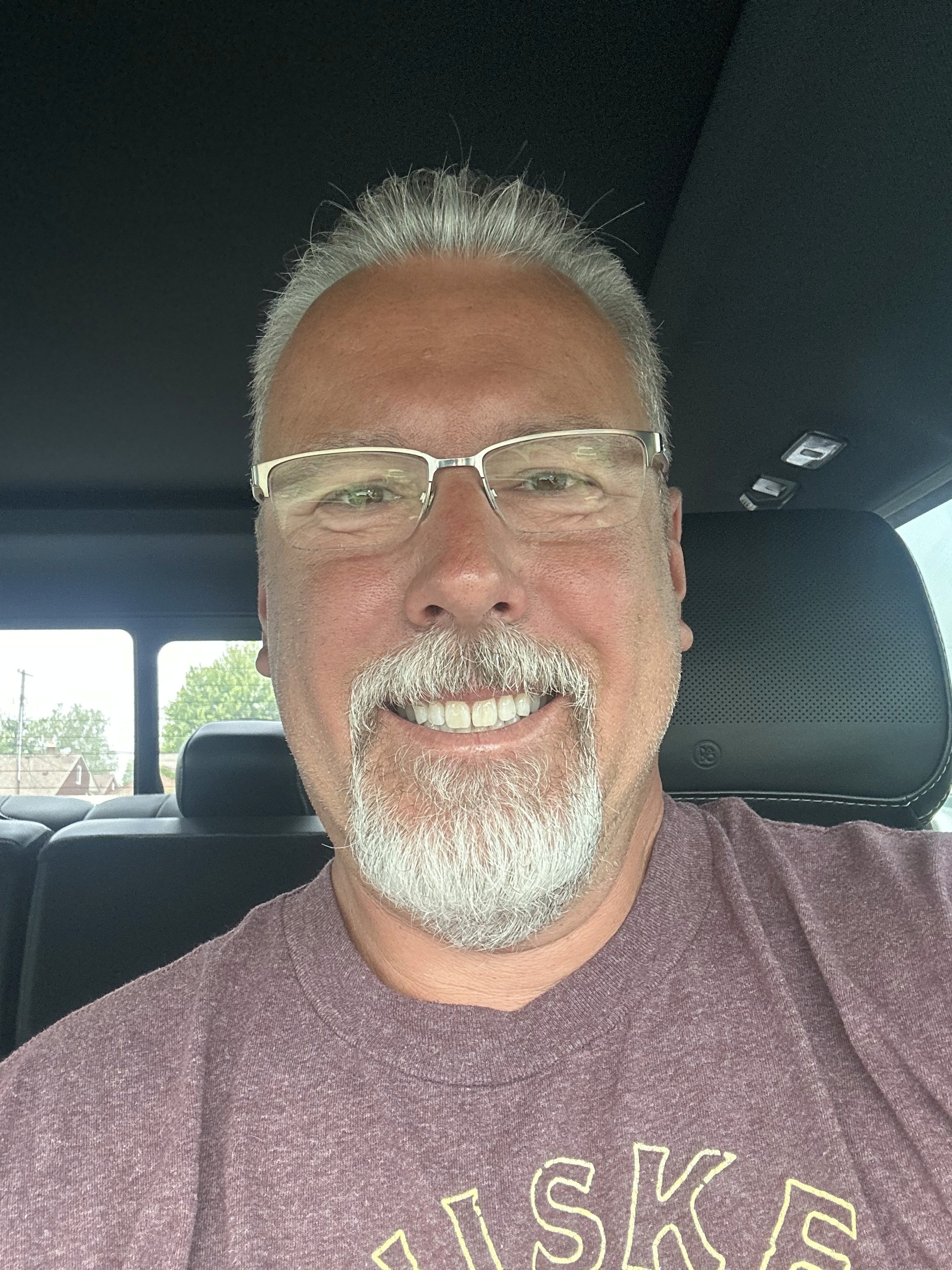
Tom Ketelhut
Owner, Offshore Captain Services
ABOUT CAPTAIN TOM
Professionally licensed, with 36 years of context you can put to work.
I've been on the Detroit River since I was a kid. My office sits on Grosse Ile at the south end of the river, and I run the corridor between Lake St. Clair and Lake Erie as part of nearly every workweek during the season. Three years on the Ford Yacht Club Board of Directors, Commodore from 2004 to 2006. Currently President of the Ford Yacht Club Past Commodores. I hold a USCG Master 100 GRT license for the Great Lakes and Inland Waters, plus a 50 GRT Near Coastal Master, both with Commercial Towing endorsement. USCG Mariner Reference Number 2913289. If you're keeping a boat anywhere on the Detroit River — Belle Isle, downtown, the Rouge River, Wyandotte, Ecorse, Trenton, Grosse Ile — let's talk.
Tom Ketelhut
Owner, Offshore Captain Services
ABOUT CAPTAIN TOM
Professionally licensed, with 36 years of context you can put to work.
I've been on the Detroit River since I was a kid. My office sits on Grosse Ile at the south end of the river, and I run the corridor between Lake St. Clair and Lake Erie as part of nearly every workweek during the season. Three years on the Ford Yacht Club Board of Directors, Commodore from 2004 to 2006. Currently President of the Ford Yacht Club Past Commodores. I hold a USCG Master 100 GRT license for the Great Lakes and Inland Waters, plus a 50 GRT Near Coastal Master, both with Commercial Towing endorsement. USCG Mariner Reference Number 2913289. If you're keeping a boat anywhere on the Detroit River — Belle Isle, downtown, the Rouge River, Wyandotte, Ecorse, Trenton, Grosse Ile — let's talk.
Tom Ketelhut
Owner, Offshore Captain Services
LEARN MORE
Frequently Asked Questions
Do you only work with Detroit River boats?
No. The Detroit River is one of the waters I run most often, but I work with owners across SE Michigan and the Great Lakes — Lake St. Clair, the St. Clair River, Lake Huron, Lake Erie, and beyond. For deliveries, I'll go wherever your boat needs to go.
Will you come to my marina for coaching?
Yes. All coaching is conducted on your boat, in your home waters. For Detroit River slips — Detroit, Wyandotte, Ecorse, Trenton, Grosse Ile — I come to you. Travel for slips outside SE Michigan is factored into the engagement.
What size vessel do you handle?
My USCG license covers vessels up to 100 Gross Register Tons, which covers the vast majority of recreational boats on the Detroit River. Most coaching work is on 30- to 65-foot cruisers and sportfish.
Can you help me transit from the Detroit River to Lake Erie or Lake St. Clair?
Yes — both transits are common deliveries for Detroit River owners. The southbound run to Lake Erie deals with the Amherstburg and Livingstone Channels and freighter timing at the river mouth; the northbound run to Lake St. Clair deals with the Belle Isle bridge constraint and current against you in the upper river. I run both routes regularly and can either deliver the boat directly or coach you through the route on your own vessel.
How do I know my insurance will cover a captain you hire?
I provide my USCG credentials and Mariner Reference Number 2913289 to your carrier, and the carrier issues a rider or written confirmation. I have a standard professional mariner credential submission form for this purpose. Most carriers process it in a day or two.
LEARN MORE
Frequently Asked Questions
Do you only work with Detroit River boats?
No. The Detroit River is one of the waters I run most often, but I work with owners across SE Michigan and the Great Lakes — Lake St. Clair, the St. Clair River, Lake Huron, Lake Erie, and beyond. For deliveries, I'll go wherever your boat needs to go.
Will you come to my marina for coaching?
Yes. All coaching is conducted on your boat, in your home waters. For Detroit River slips — Detroit, Wyandotte, Ecorse, Trenton, Grosse Ile — I come to you. Travel for slips outside SE Michigan is factored into the engagement.
What size vessel do you handle?
My USCG license covers vessels up to 100 Gross Register Tons, which covers the vast majority of recreational boats on the Detroit River. Most coaching work is on 30- to 65-foot cruisers and sportfish.
Can you help me transit from the Detroit River to Lake Erie or Lake St. Clair?
Yes — both transits are common deliveries for Detroit River owners. The southbound run to Lake Erie deals with the Amherstburg and Livingstone Channels and freighter timing at the river mouth; the northbound run to Lake St. Clair deals with the Belle Isle bridge constraint and current against you in the upper river. I run both routes regularly and can either deliver the boat directly or coach you through the route on your own vessel.
How do I know my insurance will cover a captain you hire?
I provide my USCG credentials and Mariner Reference Number 2913289 to your carrier, and the carrier issues a rider or written confirmation. I have a standard professional mariner credential submission form for this purpose. Most carriers process it in a day or two.
LEARN MORE
Frequently Asked Questions
Do you only work with Detroit River boats?
No. The Detroit River is one of the waters I run most often, but I work with owners across SE Michigan and the Great Lakes — Lake St. Clair, the St. Clair River, Lake Huron, Lake Erie, and beyond. For deliveries, I'll go wherever your boat needs to go.
Will you come to my marina for coaching?
Yes. All coaching is conducted on your boat, in your home waters. For Detroit River slips — Detroit, Wyandotte, Ecorse, Trenton, Grosse Ile — I come to you. Travel for slips outside SE Michigan is factored into the engagement.
What size vessel do you handle?
My USCG license covers vessels up to 100 Gross Register Tons, which covers the vast majority of recreational boats on the Detroit River. Most coaching work is on 30- to 65-foot cruisers and sportfish.
Can you help me transit from the Detroit River to Lake Erie or Lake St. Clair?
Yes — both transits are common deliveries for Detroit River owners. The southbound run to Lake Erie deals with the Amherstburg and Livingstone Channels and freighter timing at the river mouth; the northbound run to Lake St. Clair deals with the Belle Isle bridge constraint and current against you in the upper river. I run both routes regularly and can either deliver the boat directly or coach you through the route on your own vessel.
How do I know my insurance will cover a captain you hire?
I provide my USCG credentials and Mariner Reference Number 2913289 to your carrier, and the carrier issues a rider or written confirmation. I have a standard professional mariner credential submission form for this purpose. Most carriers process it in a day or two.
READY TO GET STARTED?
Let's talk about your boat.
Every engagement starts with a conversation. Tell me about your vessel, your waters, and what you're working toward.
Or give me a call at (248)-497-5791. If I’m on the water, I’ll call you back same day.
READY TO GET STARTED?
Let's talk about your boat.
Every engagement starts with a conversation. Tell me about your vessel, your waters, and what you're working toward.
Or give me a call at (248)-497-5791. If I’m on the water, I’ll call you back same day.
READY TO GET STARTED?
Let's talk about your boat.
Every engagement starts with a conversation. Tell me about your vessel, your waters, and what you're working toward.
Or give me a call at (248)-497-5791. If I’m on the water, I’ll call you back same day.
Explore
©️ 2026 Offshore Captain Services LLC · All rights reserved
Explore
©️ 2026 Offshore Captain Services LLC · All rights reserved
Explore
©️ 2026 Offshore Captain Services LLC · All rights reserved