Now scheduling fall haul-outs and Florida runs
Plan yours
Now scheduling fall haul-outs
(248) 497-5791
Deliveries
Vessel Delivery
Owner-Assisted Delivery
Seasonal Relocations
Spring & Fall Support
All delivery services
Coaching
Captain’s Coaching
First Mate Coaching
Insurance Check Rides
New Boat Owners
Consulting
Florida
Florida services
Boat Delivery in Florida
Captain for Hire
Boating Lessons
Hurricane Relocation
Voyages
Successful Voyages
About
About Captain Tom
Credentials
Service area
Questions
Contact
Resources
From the Helm
All articles
Reading paths
Glossary
Newsletter
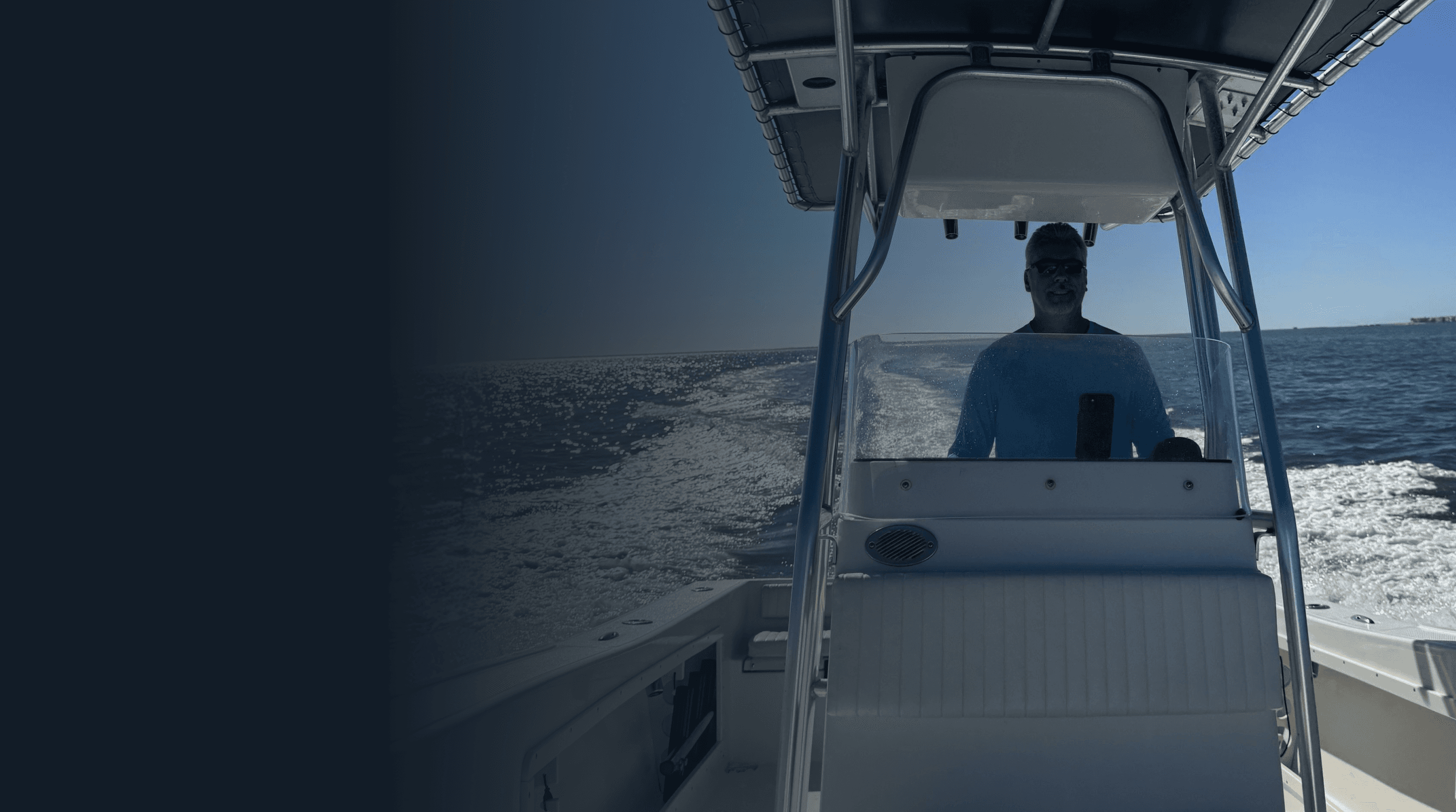
Captain's Coaching
Boating and docking lessons on your own boat.
Private lessons with a USCG Master captain, aboard your own boat at your own dock. Whether you're brand new to boating or stepping up to a larger vessel, the five modules give you the preparation, planning, and practice to become the captain your boat deserves.
Or give me a call at (248) 497-5791. If I'm on the water, I'll call you back same day.
Captain's Coaching
Boating and docking lessons on your own boat.
Private lessons with a USCG Master captain, aboard your own boat at your own dock. Whether you're brand new to boating or stepping up to a larger vessel, the five modules give you the preparation, planning, and practice to become the captain your boat deserves.
Or give me a call at (248) 497-5791. If I'm on the water, I'll call you back same day.
Captain's Coaching
Boating and docking lessons on your own boat.
Private lessons with a USCG Master captain, aboard your own boat at your own dock. Whether you're brand new to boating or stepping up to a larger vessel, the five modules give you the preparation, planning, and practice to become the captain your boat deserves.
Or give me a call at (248) 497-5791. If I'm on the water, I'll call you back same day.
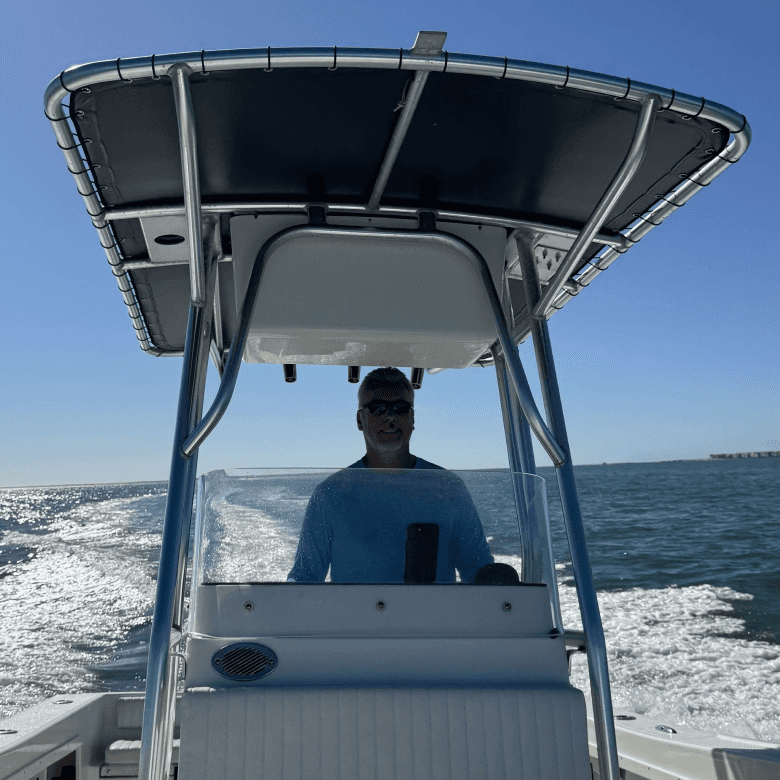
USCG Master 100 GRT
GREAT LAKES & INLAND WATERS
USCG Master 50 GRT
NEAR COASTAL
Commercial Towing Assistance
Endorsement
B.S. Mechanical Eng.
U of M Dearborn
Past Commodore
Ford Yacht Club · 2004–2006
USCG Master 100 GRT
GREAT LAKES & INLAND WATERS
USCG Master 50 GRT
NEAR COASTAL
Commercial Towing Assistance
Endorsement
B.S. Mechanical Eng.
U of M Dearborn
Past Commodore
Ford Yacht Club · 2004–2006
CAPTAIN'S COACHING
Who Is This For?
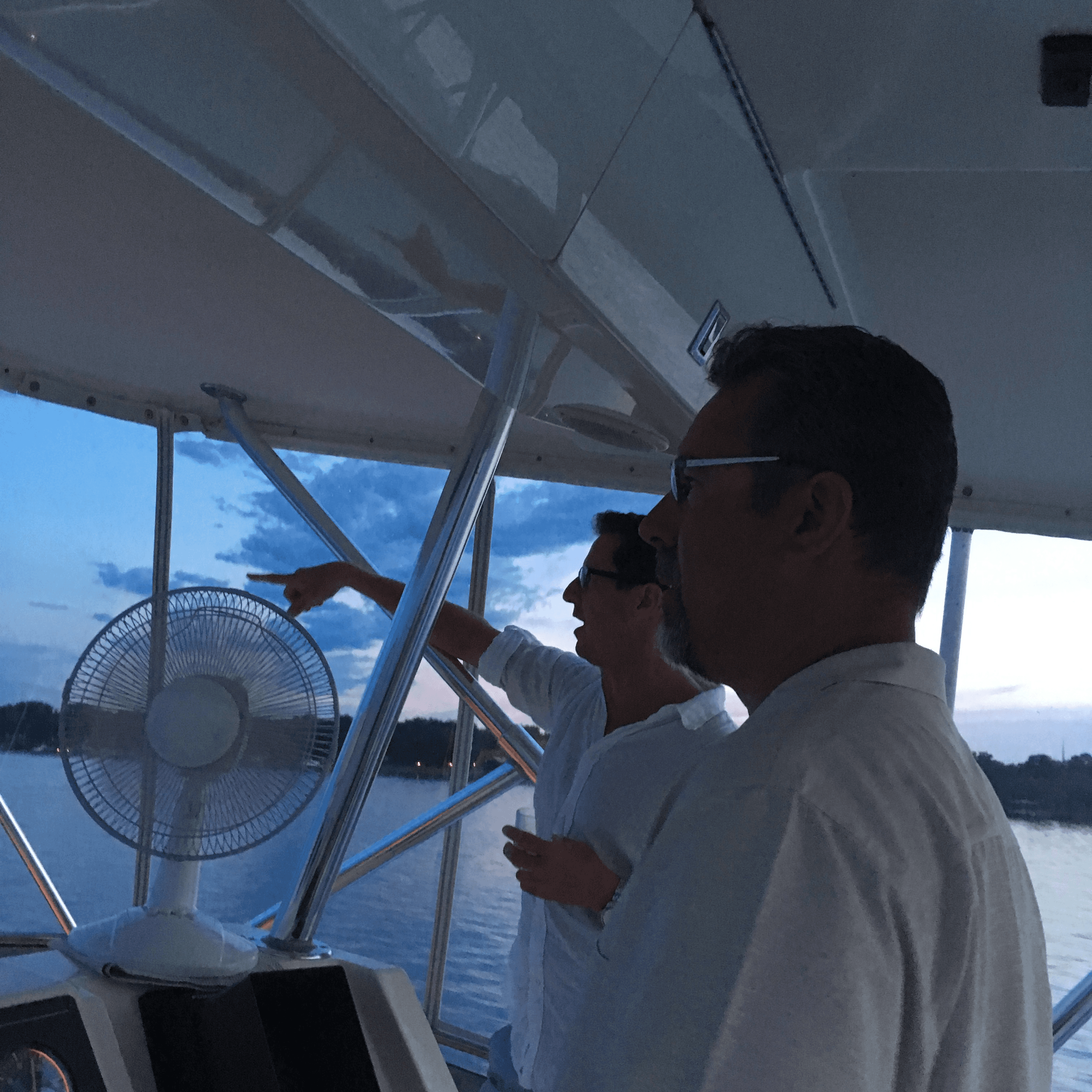
Captain's Coaching is designed for new boat owners who want to start on the right foot, experienced boaters who have developed habits worth correcting, and anyone moving up to a larger or more complex vessel than they've handled before. The program covers boats from the 20-foot pontoon to the 65-foot sportfish — because the fundamentals are the same regardless of what you're standing on.
Just bought her, or moving up? Start with what to do first as a new owner and what actually changes on a bigger boat. If your insurer has asked for hours with a captain, see insurance check rides and sign-offs.
CAPTAIN'S COACHING
Who Is This For?
Captain's Coaching is designed for new boat owners who want to start on the right foot, experienced boaters who have developed habits worth correcting, and anyone moving up to a larger or more complex vessel than they've handled before. The program covers boats from the 20-foot pontoon to the 65-foot sportfish — because the fundamentals are the same regardless of what you're standing on.
Just bought her, or moving up? Start with what to do first as a new owner and what actually changes on a bigger boat. If your insurer has asked for hours with a captain, see insurance check rides and sign-offs.
CAPTAIN'S COACHING
Who Is This For?
Captain's Coaching is designed for new boat owners who want to start on the right foot, experienced boaters who have developed habits worth correcting, and anyone moving up to a larger or more complex vessel than they've handled before. The program covers boats from the 20-foot pontoon to the 65-foot sportfish — because the fundamentals are the same regardless of what you're standing on.
Just bought her, or moving up? Start with what to do first as a new owner and what actually changes on a bigger boat. If your insurer has asked for hours with a captain, see insurance check rides and sign-offs.
CAPTAIN'S COACHING PROGRAM
Five modules.
Your boat. Your waters.
Every safe and successful journey begins before you even leave the dock. Preparing the boat and crew. The value of a Float Plan. Route planning to identify hazards to navigation, safe harbors in case of emergency, and waypoint identification for situational awareness. OCS emphasizes Preparation, Planning, and Practice to enhance your safety, knowledge, and confidence on the water.
01
Docking & Departure
Every captain’s most visible moment is entering and leaving the dock. This module covers everything that happens before, during, and after — pre-cruise engine room checks, shore power and generator management, coordinating with your first mate and crew, assessing wind and current, understanding how your boat’s stern drives the maneuver, approaching the dock with control and intention, proper use of spring lines, and the post-cruise checks that protect your investment. Most importantly, it covers the value of practice — because docking is a skill, and skills are built by repetition.
02
Running Your Boat
Open water has its own set of rules, hazards, and decisions. This module covers marina etiquette and right of way, using channel markers to navigate harbor entrances and exits, adjusting trim tabs and engine trim for changing conditions, marine radio etiquette and proper channel usage, man overboard procedures, and knowing where hazards exist along your route before you leave the dock. It also covers something most new captains underestimate — knowing and respecting your own limitations on the water.
03
Anchoring
You’ve seen that guy. He pulls into the anchorage, drops the hook, and an hour later drifts into the boat next to him. Nobody likes that guy. This module covers determining proper scope, setting and weighing anchor correctly, anchor light protocol, proper use of an anchor bridle, and communication with your first mate so that the whole operation goes smoothly from bow to stern.
04
Trip Planning
The Great Lakes are an extraordinary cruising ground — and preparation is what separates a great voyage from a stressful one. This module covers successful navigation for extended runs, planning each day for time, distance, and ports of call, using wind and weather apps effectively, and making reservations so your destination is ready when you arrive. Whether you’re circumnavigating Lake Erie or pointing north to Lake Huron and beyond, this module gets you ready for the trip you’ve been thinking about.
05
Captain's Log
Experienced captains keep records. A well-maintained ship’s log tracks general maintenance, fuel burn, travel days, harbor experiences, weather patterns, marina notes, upgrades, repairs, and invoices. It’s the document that tells the story of your ownership — and on the day you’re ready to sell, it’s proof that you took the best possible care of your vessel. And on the day you sell her, that log is proof of an owner who took care of his boat — worth real money in a survey negotiation.
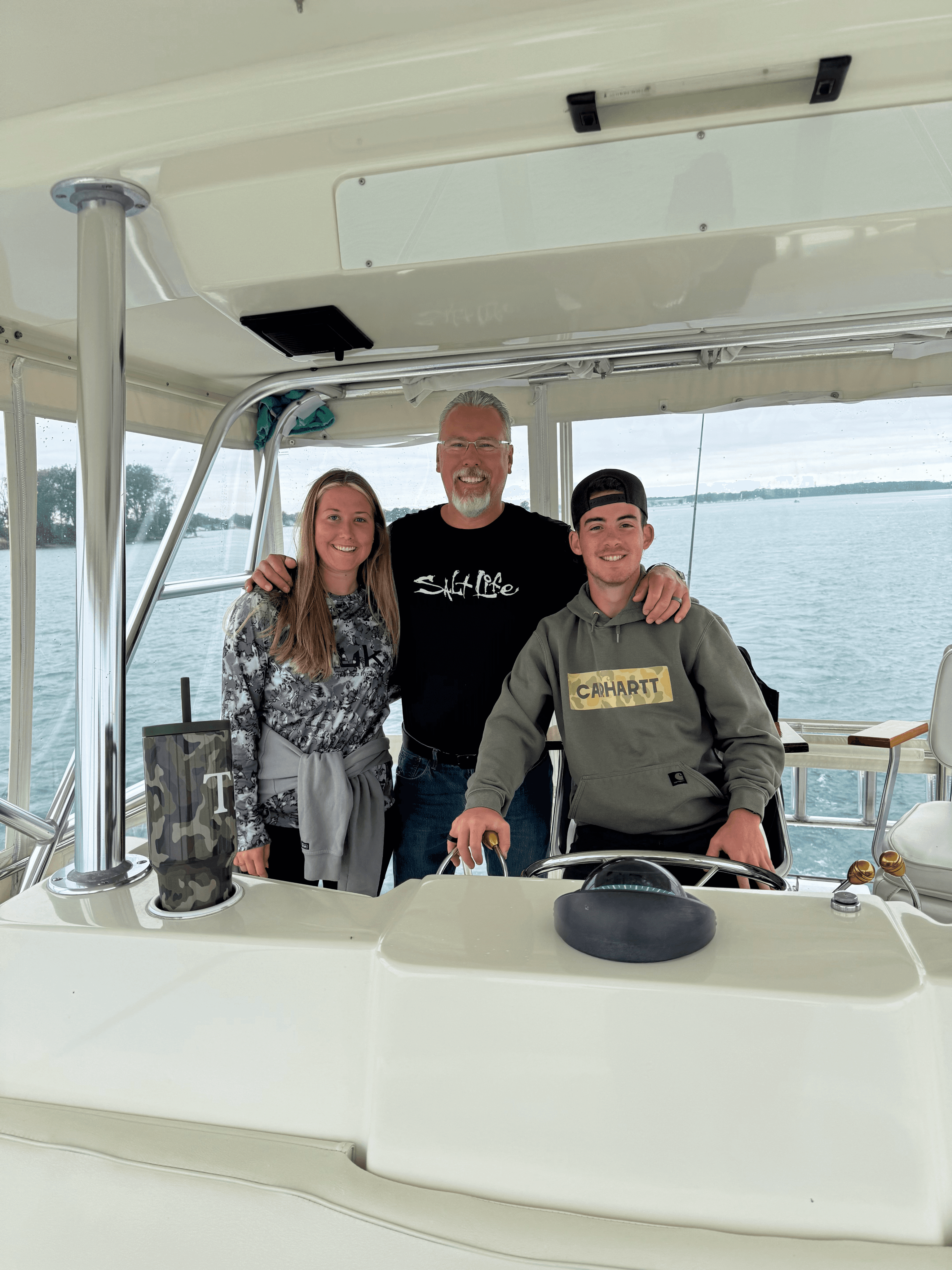
EXCLUSIVE PROGRAM
The First Mate Coaching Package
Deck leadership, dock lines, VHF radio, trip planning, and what to do in the terrifying event that your own captain has been injured or suffers a medical emergency. Your decisions and actions as the First Mate matter.
Let OCS bolster your knowledge and confidence. The only program of its kind on the Great Lakes.
CAPTAIN'S COACHING PROGRAM
Five modules.
Your boat. Your waters.
Every safe and successful journey begins before you even leave the dock. Preparing the boat and crew. The value of a Float Plan. Route planning to identify hazards to navigation, safe harbors in case of emergency, and waypoint identification for situational awareness. OCS emphasizes Preparation, Planning, and Practice to enhance your safety, knowledge, and confidence on the water.
01
Docking & Departure
Every captain’s most visible moment is entering and leaving the dock. This module covers everything that happens before, during, and after — pre-cruise engine room checks, shore power and generator management, coordinating with your first mate and crew, assessing wind and current, understanding how your boat’s stern drives the maneuver, approaching the dock with control and intention, proper use of spring lines, and the post-cruise checks that protect your investment. Most importantly, it covers the value of practice — because docking is a skill, and skills are built by repetition.
02
Running Your Boat
Open water has its own set of rules, hazards, and decisions. This module covers marina etiquette and right of way, using channel markers to navigate harbor entrances and exits, adjusting trim tabs and engine trim for changing conditions, marine radio etiquette and proper channel usage, man overboard procedures, and knowing where hazards exist along your route before you leave the dock. It also covers something most new captains underestimate — knowing and respecting your own limitations on the water.
03
Anchoring
You’ve seen that guy. He pulls into the anchorage, drops the hook, and an hour later drifts into the boat next to him. Nobody likes that guy. This module covers determining proper scope, setting and weighing anchor correctly, anchor light protocol, proper use of an anchor bridle, and communication with your first mate so that the whole operation goes smoothly from bow to stern.
04
Trip Planning
The Great Lakes are an extraordinary cruising ground — and preparation is what separates a great voyage from a stressful one. This module covers successful navigation for extended runs, planning each day for time, distance, and ports of call, using wind and weather apps effectively, and making reservations so your destination is ready when you arrive. Whether you’re circumnavigating Lake Erie or pointing north to Lake Huron and beyond, this module gets you ready for the trip you’ve been thinking about.
05
Captain's Log
Experienced captains keep records. A well-maintained ship’s log tracks general maintenance, fuel burn, travel days, harbor experiences, weather patterns, marina notes, upgrades, repairs, and invoices. It’s the document that tells the story of your ownership — and on the day you’re ready to sell, it’s proof that you took the best possible care of your vessel. And on the day you sell her, that log is proof of an owner who took care of his boat — worth real money in a survey negotiation.
EXCLUSIVE PROGRAM
The First Mate Coaching Package
Deck leadership, dock lines, VHF radio, trip planning, and what to do in the terrifying event that your own captain has been injured or suffers a medical emergency. Your decisions and actions as the First Mate matter.
Let OCS bolster your knowledge and confidence. The only program of its kind on the Great Lakes.
CAPTAIN'S COACHING PROGRAM
Five modules.
Your boat. Your waters.
Every safe and successful journey begins before you even leave the dock. Preparing the boat and crew. The value of a Float Plan. Route planning to identify hazards to navigation, safe harbors in case of emergency, and waypoint identification for situational awareness. OCS emphasizes Preparation, Planning, and Practice to enhance your safety, knowledge, and confidence on the water.
01
Docking & Departure
Every captain’s most visible moment is entering and leaving the dock. This module covers everything that happens before, during, and after — pre-cruise engine room checks, shore power and generator management, coordinating with your first mate and crew, assessing wind and current, understanding how your boat’s stern drives the maneuver, approaching the dock with control and intention, proper use of spring lines, and the post-cruise checks that protect your investment. Most importantly, it covers the value of practice — because docking is a skill, and skills are built by repetition.
02
Running Your Boat
Open water has its own set of rules, hazards, and decisions. This module covers marina etiquette and right of way, using channel markers to navigate harbor entrances and exits, adjusting trim tabs and engine trim for changing conditions, marine radio etiquette and proper channel usage, man overboard procedures, and knowing where hazards exist along your route before you leave the dock. It also covers something most new captains underestimate — knowing and respecting your own limitations on the water.
03
Anchoring
You’ve seen that guy. He pulls into the anchorage, drops the hook, and an hour later drifts into the boat next to him. Nobody likes that guy. This module covers determining proper scope, setting and weighing anchor correctly, anchor light protocol, proper use of an anchor bridle, and communication with your first mate so that the whole operation goes smoothly from bow to stern.
04
Trip Planning
The Great Lakes are an extraordinary cruising ground — and preparation is what separates a great voyage from a stressful one. This module covers successful navigation for extended runs, planning each day for time, distance, and ports of call, using wind and weather apps effectively, and making reservations so your destination is ready when you arrive. Whether you’re circumnavigating Lake Erie or pointing north to Lake Huron and beyond, this module gets you ready for the trip you’ve been thinking about.
05
Captain's Log
Experienced captains keep records. A well-maintained ship’s log tracks general maintenance, fuel burn, travel days, harbor experiences, weather patterns, marina notes, upgrades, repairs, and invoices. It’s the document that tells the story of your ownership — and on the day you’re ready to sell, it’s proof that you took the best possible care of your vessel. And on the day you sell her, that log is proof of an owner who took care of his boat — worth real money in a survey negotiation.
EXCLUSIVE PROGRAM
The First Mate Coaching Package
Deck leadership, dock lines, VHF radio, trip planning, and what to do in the terrifying event that your own captain has been injured or suffers a medical emergency. Your decisions and actions as the First Mate matter.
Let OCS bolster your knowledge and confidence. The only program of its kind on the Great Lakes.
Between sessions, these are worth a read: Leaving the Dock in Wind, How to Anchor a Boat Without Drifting Into Anyone and Don’t Teach Your Partner to Dock the Boat.
Don’t need all five?
Every owner comes to this differently. Some want the full program; some want two afternoons on docking and nothing else; some want a program built around one specific trip they have planned. If the five modules don’t map to what you need, tell me what does — we’ll build a coaching program around your boat, your waters, and your actual gaps. That conversation costs nothing.
SUCCESSFUL VOYAGES
Recent coaching days
Every one of these happened on the owner’s own boat, written up after the day.
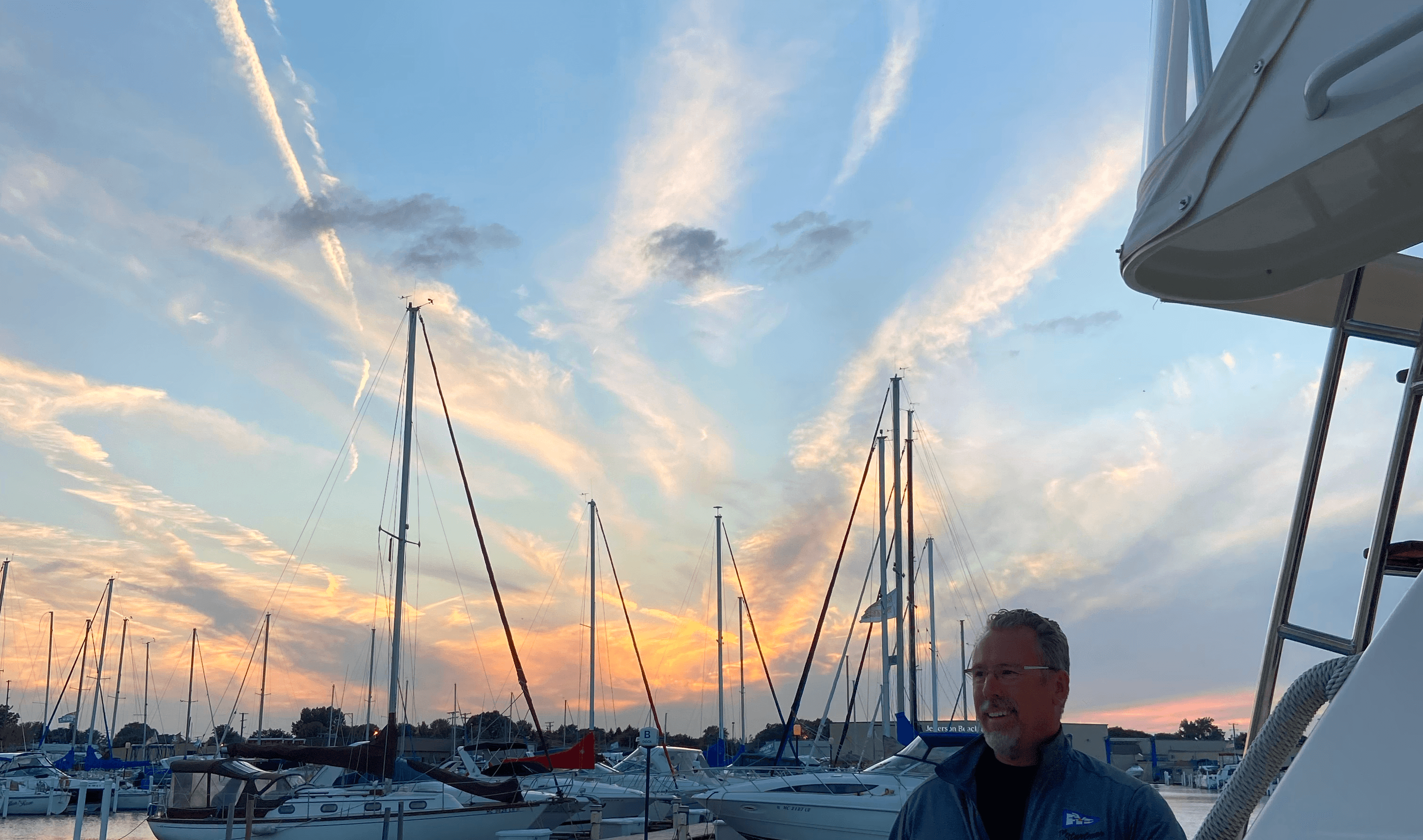
"Most people don't need more boat. They need more time with someone who can show them how to use the one they have."
— CAPTAIN TOM KETELHUT
"Most people don't need more boat. They need more time with someone who can show them how to use the one they have."
— CAPTAIN TOM KETELHUT
"Most people don't need more boat. They need more time with someone who can show them how to use the one they have."
— CAPTAIN TOM KETELHUT
HOW IT WORKS
How It's Delivered
Every module is conducted on your vessel, in your home waters, with Captain Tom beside you. There's no classroom, no generic curriculum applied to someone else's boat.
Schedule a Call
Tell us about your vessel, your experience level, and where you feel least confident on the water. That conversation shapes everything that follows.
Get on the Water
Coaching happens on your boat, in real conditions, with real feedback. Every session is hands-on from the moment you leave the dock.
Build the Habit
Skills develop through repetition. Captain Tom doesn't just show you how — he works with you until it becomes second nature.
Go with Confidence
When the program is complete, you leave the dock differently than you arrived. More prepared. More in control. More capable of handling whatever the water throws at you.
HOW IT WORKS
How It's Delivered
Every module is conducted on your vessel, in your home waters, with Captain Tom beside you. There's no classroom, no generic curriculum applied to someone else's boat.
Schedule a Call
Tell us about your vessel, your experience level, and where you feel least confident on the water. That conversation shapes everything that follows.
Get on the Water
Coaching happens on your boat, in real conditions, with real feedback. Every session is hands-on from the moment you leave the dock.
Build the Habit
Skills develop through repetition. Captain Tom doesn't just show you how — he works with you until it becomes second nature.
Go with Confidence
When the program is complete, you leave the dock differently than you arrived. More prepared. More in control. More capable of handling whatever the water throws at you.
HOW IT WORKS
How It's Delivered
Every module is conducted on your vessel, in your home waters, with Captain Tom beside you. There's no classroom, no generic curriculum applied to someone else's boat.
Schedule a Call
Tell us about your vessel, your experience level, and where you feel least confident on the water. That conversation shapes everything that follows.
Get on the Water
Coaching happens on your boat, in real conditions, with real feedback. Every session is hands-on from the moment you leave the dock.
Build the Habit
Skills develop through repetition. Captain Tom doesn't just show you how — he works with you until it becomes second nature.
Go with Confidence
When the program is complete, you leave the dock differently than you arrived. More prepared. More in control. More capable of handling whatever the water throws at you.
ABOUT CAPTAIN TOM
Professionally licensed to turn your time on the water into time well spent.
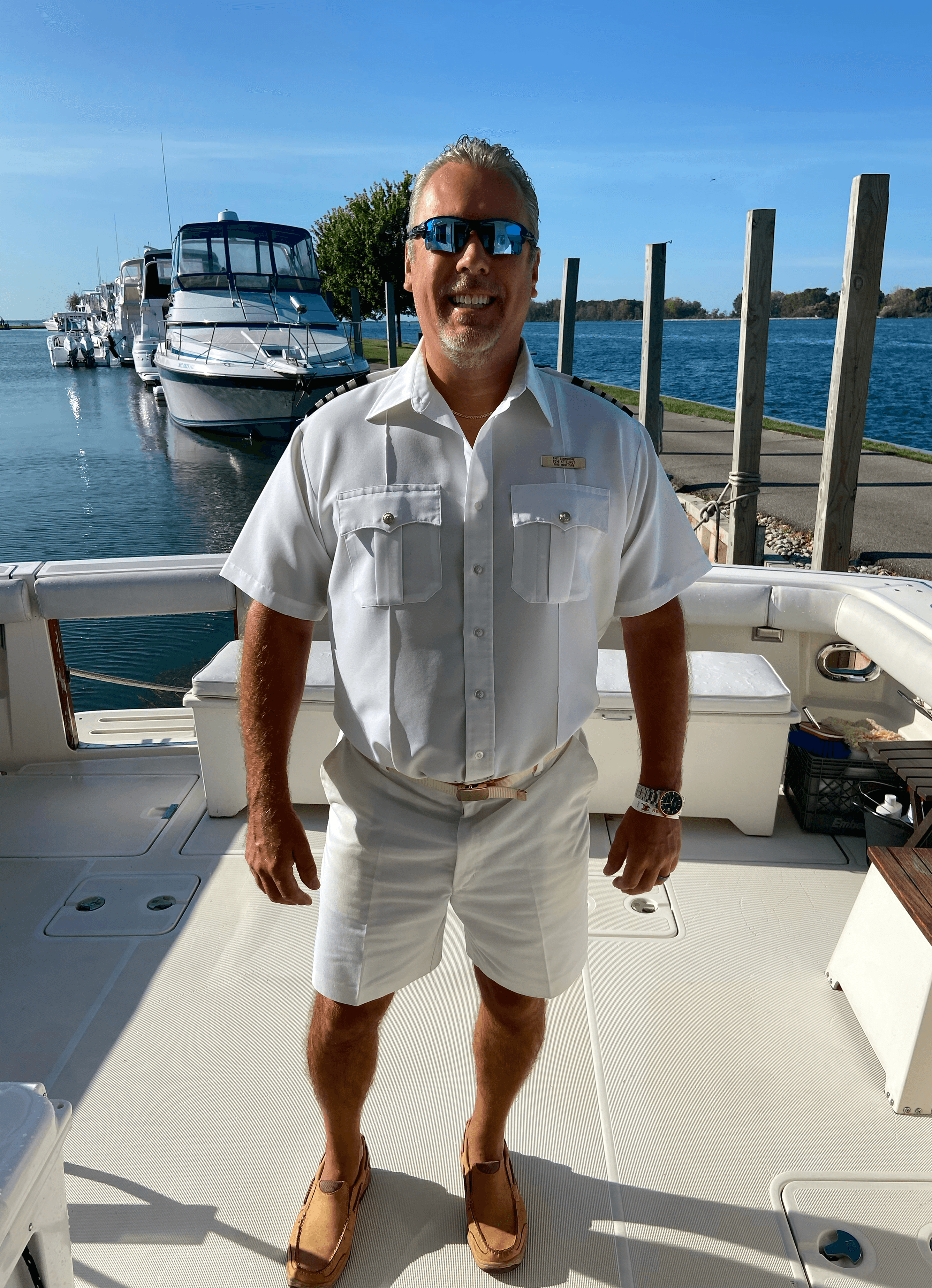
I’ve spent years coaching boaters who were too proud to ask for help — and the ones who eventually ask are almost always the ones who become the best captains. There’s no shame in wanting to get better. There’s only the shame of pretending you already have.
I grew up on the water. Six years working in a marina before I had a real job title. 36 years in the automotive and marine supply industry. Thinking like a mechanical engineer about why boats behave the way they do.
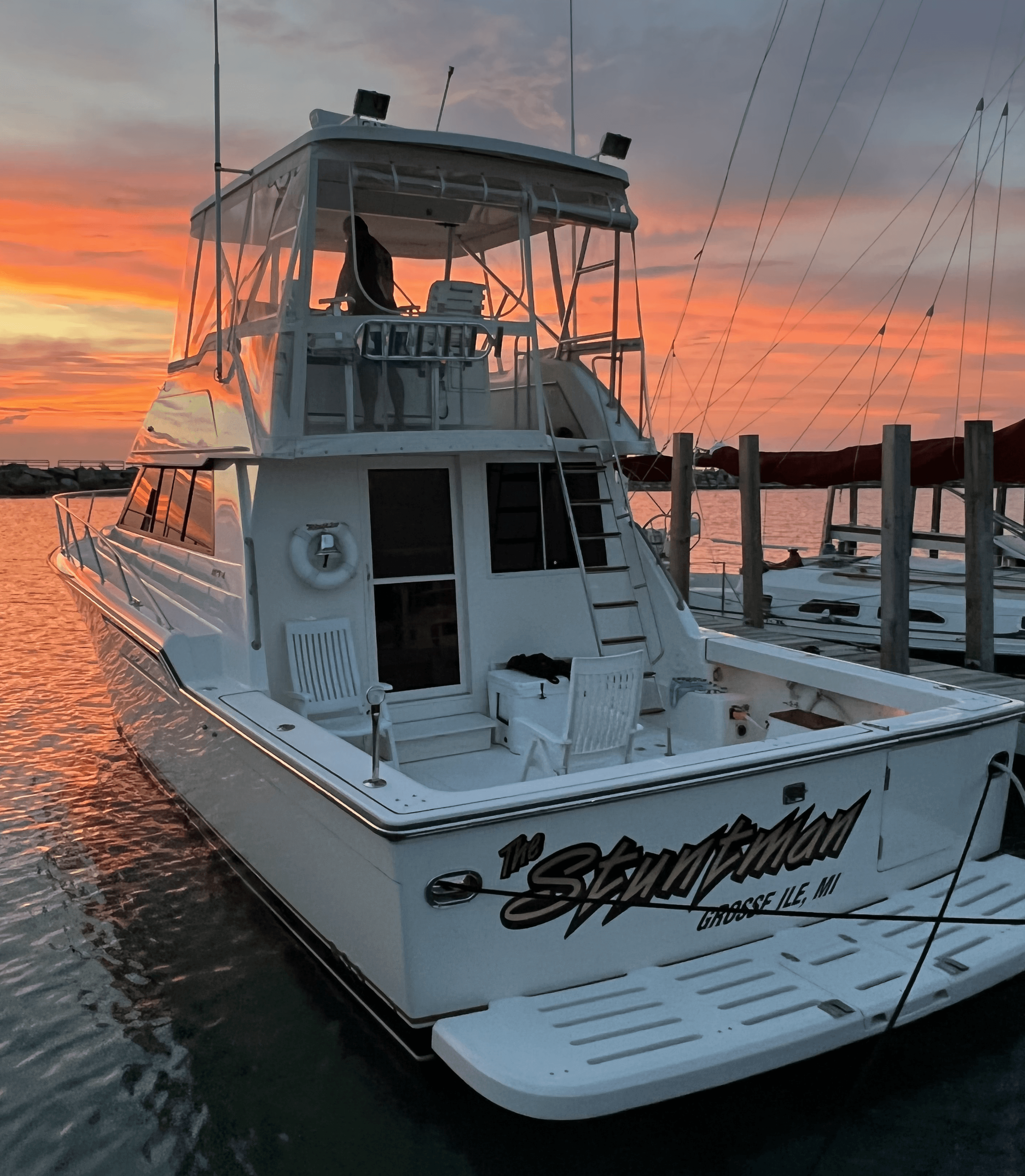
I’ve run every mile of water from Lake Erie to Lake Huron — the Detroit River, Lake St. Clair, the St. Clair River — and I’ve coached owners on everything from first-time pontoons to 60-foot sportfish. I teach in Florida, too. Boating lessons on your own boat in Florida cover the same five modules, plus the tide and the current. Whether you’re new to boating or moving up to something bigger than you’ve handled before, it’s just me, your boat, your waters, until you’re completely confident.
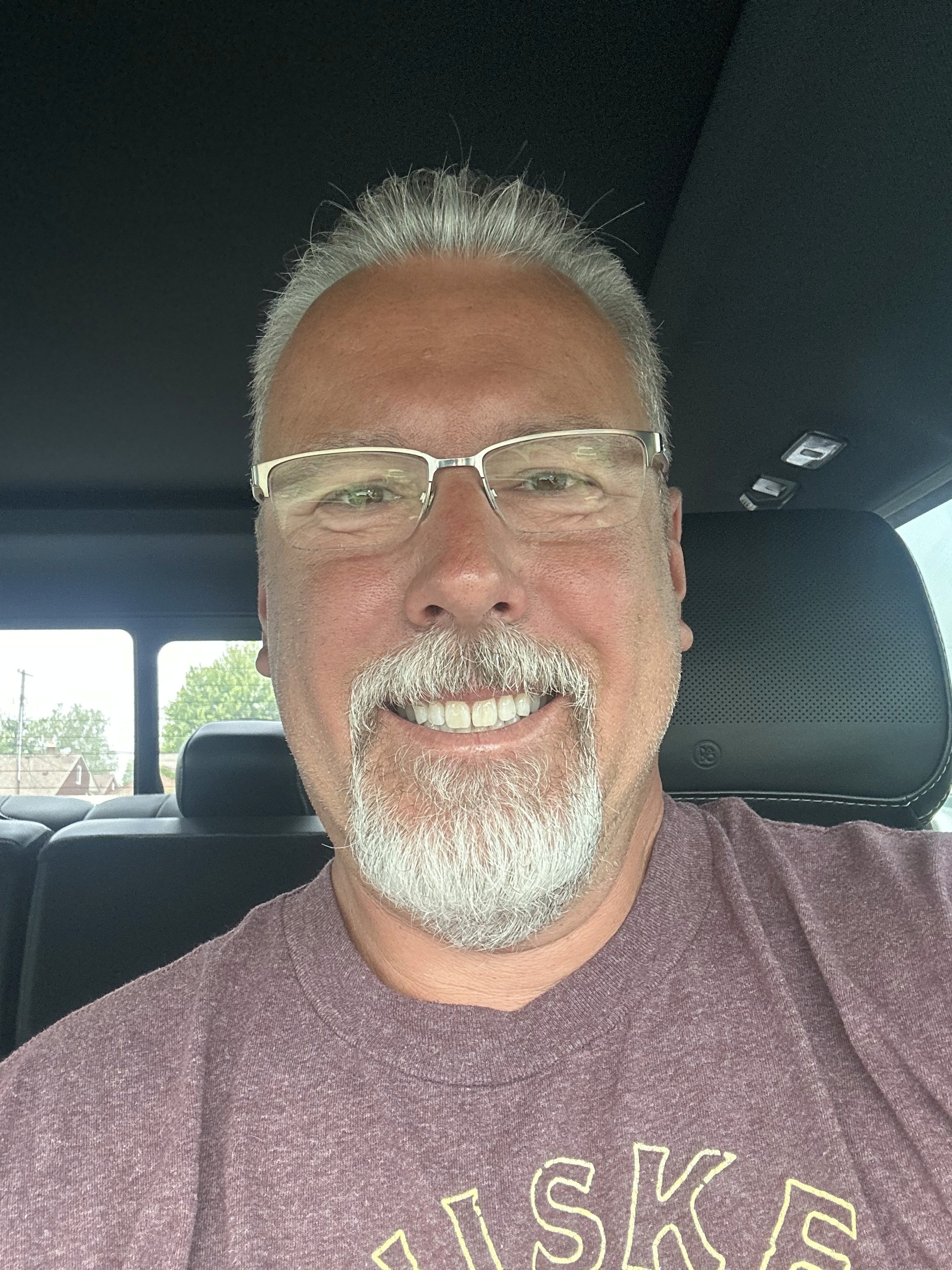
Tom Ketelhut
Owner, Offshore Captain Services
ABOUT CAPTAIN TOM
Professionally licensed to turn your time on the water into time well spent.
I’ve spent years coaching boaters who were too proud to ask for help — and the ones who eventually ask are almost always the ones who become the best captains. There’s no shame in wanting to get better. There’s only the shame of pretending you already have.
I grew up on the water. Six years working in a marina before I had a real job title. 36 years in the automotive and marine supply industry. Thinking like a mechanical engineer about why boats behave the way they do.
I’ve run every mile of water from Lake Erie to Lake Huron — the Detroit River, Lake St. Clair, the St. Clair River — and I’ve coached owners on everything from first-time pontoons to 60-foot sportfish. I teach in Florida, too. Boating lessons on your own boat in Florida cover the same five modules, plus the tide and the current. Whether you’re new to boating or moving up to something bigger than you’ve handled before, it’s just me, your boat, your waters, until you’re completely confident.
Tom Ketelhut
Owner, Offshore Captain Services
ABOUT CAPTAIN TOM
Professionally licensed to turn your time on the water into time well spent.
I’ve spent years coaching boaters who were too proud to ask for help — and the ones who eventually ask are almost always the ones who become the best captains. There’s no shame in wanting to get better. There’s only the shame of pretending you already have.
I grew up on the water. Six years working in a marina before I had a real job title. 36 years in the automotive and marine supply industry. Thinking like a mechanical engineer about why boats behave the way they do.
I’ve run every mile of water from Lake Erie to Lake Huron — the Detroit River, Lake St. Clair, the St. Clair River — and I’ve coached owners on everything from first-time pontoons to 60-foot sportfish. I teach in Florida, too. Boating lessons on your own boat in Florida cover the same five modules, plus the tide and the current. Whether you’re new to boating or moving up to something bigger than you’ve handled before, it’s just me, your boat, your waters, until you’re completely confident.
Tom Ketelhut
Owner, Offshore Captain Services
LEARN MORE
Frequently Asked Questions
Do I need to be a complete beginner for this to be useful?
Not at all. About half of the people who sign up for coaching are experienced boaters moving up to a larger or more complex vessel, or owners who've been operating for years and want to correct habits they've picked up along the way. The fundamentals are the same whether it's your first season or your twentieth — what changes is where the gaps are.
How many sessions does the program take?
It depends on your starting point, your boat, and how much time you can put in between sessions. Some owners complete the core material in a handful of outings. Others prefer to spread it over a full season and build the habits gradually. We'll talk through the right pace on our first call.
Does coaching happen on your boat or mine?
Always yours. The whole point is that you leave the program comfortable on the boat you actually own, in the waters you actually run. There's no classroom and no simulator — just your vessel, your home port, and the conditions you'll face on any given day.
I have a small boat. Is this still worth it?
Yes. Size doesn't change the fundamentals — it only changes what you have to work with. A pontoon owner benefits from the same docking principles, spring line technique, and situational awareness as a sportfish owner. If anything, smaller boats are a forgiving place to build those habits before you step up.
Can my spouse or partner sit in on the coaching?
Absolutely encouraged. In fact, many owners bring their first mate along for part or all of the program — and some go on to add First Mate Coaching as a follow-up. Boating is a team effort, and the team performs better when both people speak the same language.
What's the difference between coaching and just hiring a captain?
A hired captain runs your boat for you. A coach teaches you to run it yourself. If you want to learn, coaching is the right call. If you'd rather hand off the helm for a specific trip, that's a delivery — different service, different conversation.
When should I book for the upcoming season?
Early. Spring and early summer fill up quickly, and the weather windows on the Great Lakes don't wait. If you're thinking about coaching for this season, the time to reach out is now.
LEARN MORE
Frequently Asked Questions
Do I need to be a complete beginner for this to be useful?
Not at all. About half of the people who sign up for coaching are experienced boaters moving up to a larger or more complex vessel, or owners who've been operating for years and want to correct habits they've picked up along the way. The fundamentals are the same whether it's your first season or your twentieth — what changes is where the gaps are.
How many sessions does the program take?
It depends on your starting point, your boat, and how much time you can put in between sessions. Some owners complete the core material in a handful of outings. Others prefer to spread it over a full season and build the habits gradually. We'll talk through the right pace on our first call.
Does coaching happen on your boat or mine?
Always yours. The whole point is that you leave the program comfortable on the boat you actually own, in the waters you actually run. There's no classroom and no simulator — just your vessel, your home port, and the conditions you'll face on any given day.
I have a small boat. Is this still worth it?
Yes. Size doesn't change the fundamentals — it only changes what you have to work with. A pontoon owner benefits from the same docking principles, spring line technique, and situational awareness as a sportfish owner. If anything, smaller boats are a forgiving place to build those habits before you step up.
Can my spouse or partner sit in on the coaching?
Absolutely encouraged. In fact, many owners bring their first mate along for part or all of the program — and some go on to add First Mate Coaching as a follow-up. Boating is a team effort, and the team performs better when both people speak the same language.
What's the difference between coaching and just hiring a captain?
A hired captain runs your boat for you. A coach teaches you to run it yourself. If you want to learn, coaching is the right call. If you'd rather hand off the helm for a specific trip, that's a delivery — different service, different conversation.
When should I book for the upcoming season?
Early. Spring and early summer fill up quickly, and the weather windows on the Great Lakes don't wait. If you're thinking about coaching for this season, the time to reach out is now.
LEARN MORE
Frequently Asked Questions
Do I need to be a complete beginner for this to be useful?
Not at all. About half of the people who sign up for coaching are experienced boaters moving up to a larger or more complex vessel, or owners who've been operating for years and want to correct habits they've picked up along the way. The fundamentals are the same whether it's your first season or your twentieth — what changes is where the gaps are.
How many sessions does the program take?
It depends on your starting point, your boat, and how much time you can put in between sessions. Some owners complete the core material in a handful of outings. Others prefer to spread it over a full season and build the habits gradually. We'll talk through the right pace on our first call.
Does coaching happen on your boat or mine?
Always yours. The whole point is that you leave the program comfortable on the boat you actually own, in the waters you actually run. There's no classroom and no simulator — just your vessel, your home port, and the conditions you'll face on any given day.
I have a small boat. Is this still worth it?
Yes. Size doesn't change the fundamentals — it only changes what you have to work with. A pontoon owner benefits from the same docking principles, spring line technique, and situational awareness as a sportfish owner. If anything, smaller boats are a forgiving place to build those habits before you step up.
Can my spouse or partner sit in on the coaching?
Absolutely encouraged. In fact, many owners bring their first mate along for part or all of the program — and some go on to add First Mate Coaching as a follow-up. Boating is a team effort, and the team performs better when both people speak the same language.
What's the difference between coaching and just hiring a captain?
A hired captain runs your boat for you. A coach teaches you to run it yourself. If you want to learn, coaching is the right call. If you'd rather hand off the helm for a specific trip, that's a delivery — different service, different conversation.
When should I book for the upcoming season?
Early. Spring and early summer fill up quickly, and the weather windows on the Great Lakes don't wait. If you're thinking about coaching for this season, the time to reach out is now.
Worth reading before we talk


READY TO GET STARTED?
Ready to become the captain your boat deserves?
Every engagement starts with a conversation. Tell Captain Tom where you want to improve and he'll build a program around exactly that.
Or give me a call at (248)-497-5791. If I’m on the water, I’ll call you back same day.
READY TO GET STARTED?
Ready to become the captain your boat deserves?
Every engagement starts with a conversation. Tell Captain Tom where you want to improve and he'll build a program around exactly that.
Or give me a call at (248)-497-5791. If I’m on the water, I’ll call you back same day.
READY TO GET STARTED?
Ready to become the captain your boat deserves?
Every engagement starts with a conversation. Tell Captain Tom where you want to improve and he'll build a program around exactly that.
Or give me a call at (248)-497-5791. If I’m on the water, I’ll call you back same day.
Explore
©️ 2026 Offshore Captain Services LLC · All rights reserved
Explore
©️ 2026 Offshore Captain Services LLC · All rights reserved
Explore
©️ 2026 Offshore Captain Services LLC · All rights reserved