Now scheduling fall haul-outs and Florida runs
Plan yours
Now scheduling fall haul-outs
(248) 497-5791
Deliveries
Vessel Delivery
Owner-Assisted Delivery
Seasonal Relocations
Spring & Fall Support
All delivery services
Coaching
Captain’s Coaching
First Mate Coaching
Insurance Check Rides
New Boat Owners
Consulting
Voyages
Successful Voyages
About
About Captain Tom
Credentials
Service area
Questions
Contact
Resources
From the Helm
All articles
Reading paths
Glossary
Newsletter

SERVICE AREA
Captain Services on Lake Huron
USCG-licensed vessel deliveries, captain's coaching, and First Mate training for Lake Huron boat owners — Port Huron, the Thumb coast, and the routes north to Mackinac.
Or give me a call at (248) 497-5791. If I'm on the water, I'll call you back same day.

USCG Master 100 GRT
GREAT LAKES & INLAND WATERS
USCG Master 50 GRT
NEAR COASTAL
Commercial Towing Assistance
Endorsement
B.S. Mechanical Eng.
U of M Dearborn
Past Commodore
Ford Yacht Club · 2004–2006
USCG Master 100 GRT
GREAT LAKES & INLAND WATERS
USCG Master 50 GRT
NEAR COASTAL
Commercial Towing Assistance
Endorsement
B.S. Mechanical Eng.
U of M Dearborn
Past Commodore
Ford Yacht Club · 2004–2006
WHERE WE OPERATE
Home Waters
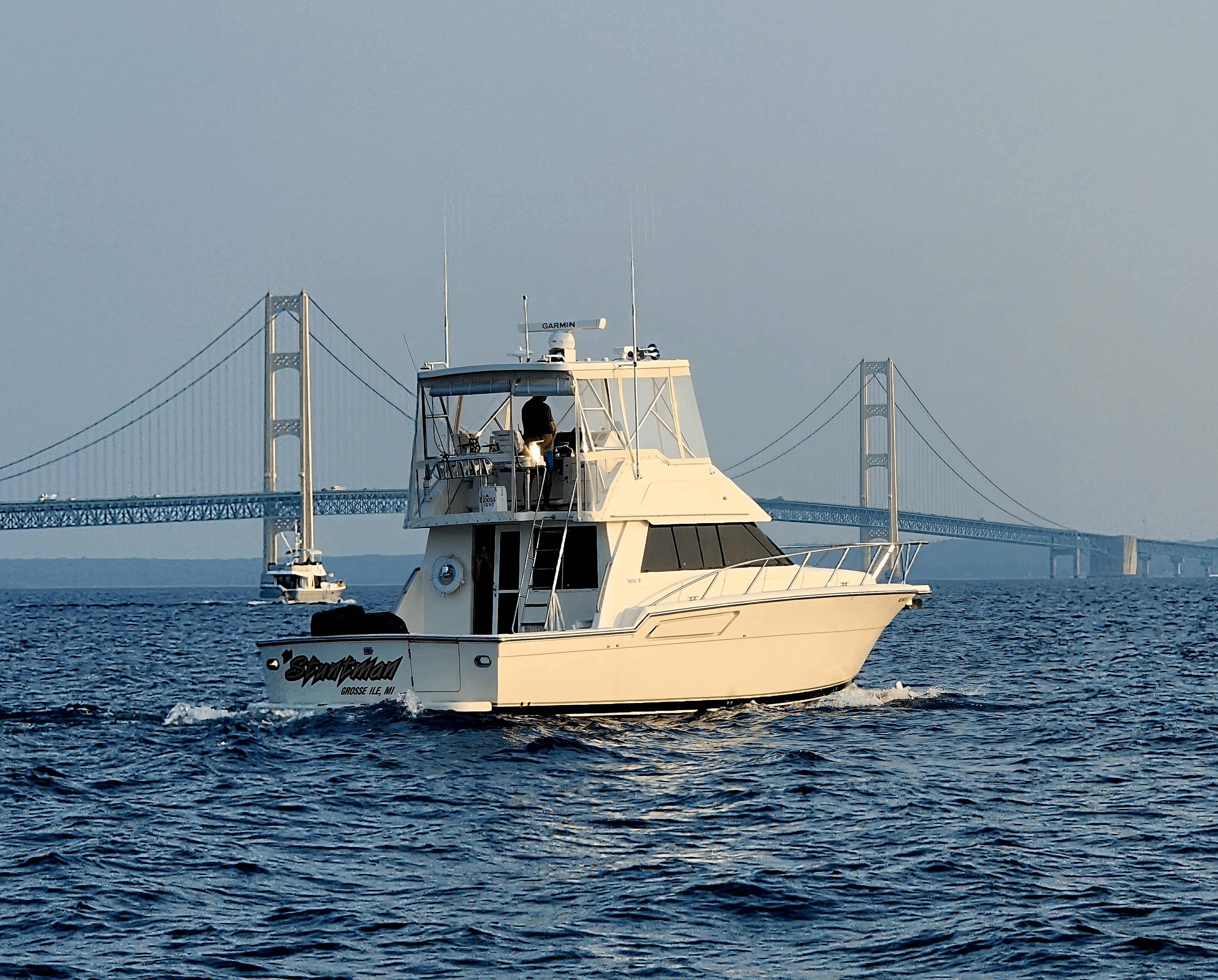
The southern end of Lake Huron is roughly 60 miles north of my office on Grosse Ile, up the St. Clair River. From Port Huron at the bottom of the lake, north along the Thumb coast through Lexington, Port Sanilac, Harbor Beach, Caseville, and Port Austin, and up into the deeper water heading toward Mackinac — these are regular operating waters. If you keep your boat in Port Huron, on the Thumb coast, or at one of the upper Lake Huron destinations, I work this water. Deliveries between Lake Huron and the lower lakes — both directions — are some of the most common engagements I run. Lake Huron is the second-largest of the Great Lakes by surface area and a fundamentally different water from the southern lakes. It's deeper, colder, less weather-volatile in the short term, but more demanding when the weather does come. Owners moving up from Lake St. Clair or Lake Erie often need a season to recalibrate.
WHERE WE OPERATE
Home Waters
The southern end of Lake Huron is roughly 60 miles north of my office on Grosse Ile, up the St. Clair River. From Port Huron at the bottom of the lake, north along the Thumb coast through Lexington, Port Sanilac, Harbor Beach, Caseville, and Port Austin, and up into the deeper water heading toward Mackinac — these are regular operating waters. If you keep your boat in Port Huron, on the Thumb coast, or at one of the upper Lake Huron destinations, I work this water. Deliveries between Lake Huron and the lower lakes — both directions — are some of the most common engagements I run. Lake Huron is the second-largest of the Great Lakes by surface area and a fundamentally different water from the southern lakes. It's deeper, colder, less weather-volatile in the short term, but more demanding when the weather does come. Owners moving up from Lake St. Clair or Lake Erie often need a season to recalibrate.
WHAT I DO
What I do for Lake Huron boat owners.
The full menu of services applies on Lake Huron. The most common engagements:
WHAT I DO
What I do for Lake Huron boat owners.
The full menu of services applies on Lake Huron. The most common engagements:
WHAT TO KNOW
What you should know about boating on Lake Huron.
A few things I'd tell any new owner running this water.
01
The lake is colder than you expect, longer than you expect.
Lake Huron's average depth is 195 feet. Surface water temperatures stay cooler later into the summer than Erie or St. Clair, and the lake holds cold water deeper longer. That has practical implications: fog forms easier and lasts longer, hypothermia risk on a man-overboard situation is real even in July, and the seasonal swing for engine cooling and live-well operation is wider than in the southern lakes.
02
The weather is bigger when it comes.
Lake Huron isn't as immediately reactive to wind as Lake Erie, but when sustained weather builds, it builds bigger. The lake has 200 miles of north-south fetch, which means a sustained northerly can produce 6- to 8-foot offshore seas in the open lake. The Thumb coast offers some shelter on a northerly, but a sustained easterly leaves you exposed for the entire run from Port Huron to Harbor Beach.
03
Harbors of refuge are spaced further apart.
On Lake St. Clair or the Detroit River, you're never more than a few miles from a marina. On Lake Huron's Thumb coast, harbor spacing is 15-25 miles in some sections — Lexington to Port Sanilac is 14 miles, Port Sanilac to Harbor Beach is 24, Harbor Beach to Caseville is another 30. Trip planning here means knowing your fuel range, your weather window, and your nearest harbor at all times.
04
The Bluewater Bridge marks the start.
The Bluewater Bridge between Port Huron and Sarnia, Ontario marks the transition from the St. Clair River to Lake Huron proper. Air draft is generous (around 152 feet at design), so it's not a clearance issue for cruisers, but it is a navigational landmark. The current under the bridge can run 4-6 knots — climbing it on the upbound transit is a memorable experience the first time.
05
Port Huron is the entry point for most southern Michigan owners.
If you're coming up from Lake St. Clair, Detroit River, or the SE Michigan corridor, Port Huron and the Bluewater Marina area is your base of operations for Lake Huron. The marinas, fuel docks, and pre-departure stop infrastructure are concentrated there. Knowing that landscape — and timing your departure to catch the right weather window heading north — is fundamental to running Lake Huron well.
Local marinas and ports I work with.
I've worked with owners based at most of the major Lake Huron ports, including:
MARINAS (NOT LIMITED TO)
If your boat lives at any of these — or anywhere else along the Lake Huron shoreline — I can speak to the dockage, the approaches, and the local quirks from direct experience.
Local marinas and ports I work with.
I've delivered boats to and from most of the marinas on and around Grosse Ile, including:
MARINAS (NOT LIMITED TO)
If your boat lives at any of these — or anywhere else along the Lake Huron shoreline — I can speak to the dockage, the approaches, and the local quirks from direct experience.
WHAT TO KNOW
Why Lake Huron owners hire a professional captain.
The reasons that come up most often:
01
You're moving up from the southern lakes.
Owners who've run Lake St. Clair or the Detroit River for years often find that Lake Huron's openness, weather scale, and harbor spacing genuinely change how they have to think. Coaching on Lake Huron's terms — not just on your previous boat's terms — is the fastest way to get comfortable.
02
The run from SE Michigan is its own delivery.
Bringing a boat from Lake St. Clair up to Port Huron, or further, means transiting the St. Clair River — including the climb past the Bluewater Bridge against current. It's a substantial run that most owners don't want to do solo on a new vessel. I run this delivery regularly.
03
You're planning the run to Mackinac, the North Channel, or Georgian Bay.
These are the iconic Great Lakes destinations, and they're on most serious cruisers' lifetime lists. They're also long-range trips with real weather, fuel, and harbor planning challenges. Coaching for the trip — or running it as an owner-assisted delivery — is one of the most valuable engagements I offer. By the time you reach Mackinac on your own boat, you've effectively completed a multi-week cruising school.
04
Insurance asked for a captain.
Carriers often want a USCG-licensed captain on the first delivery of a new vessel to Lake Huron, particularly for boats that will be operating offshore on the open lake. I provide credentials, contracts, and the paperwork they need.
EXCLUSIVE PROGRAM
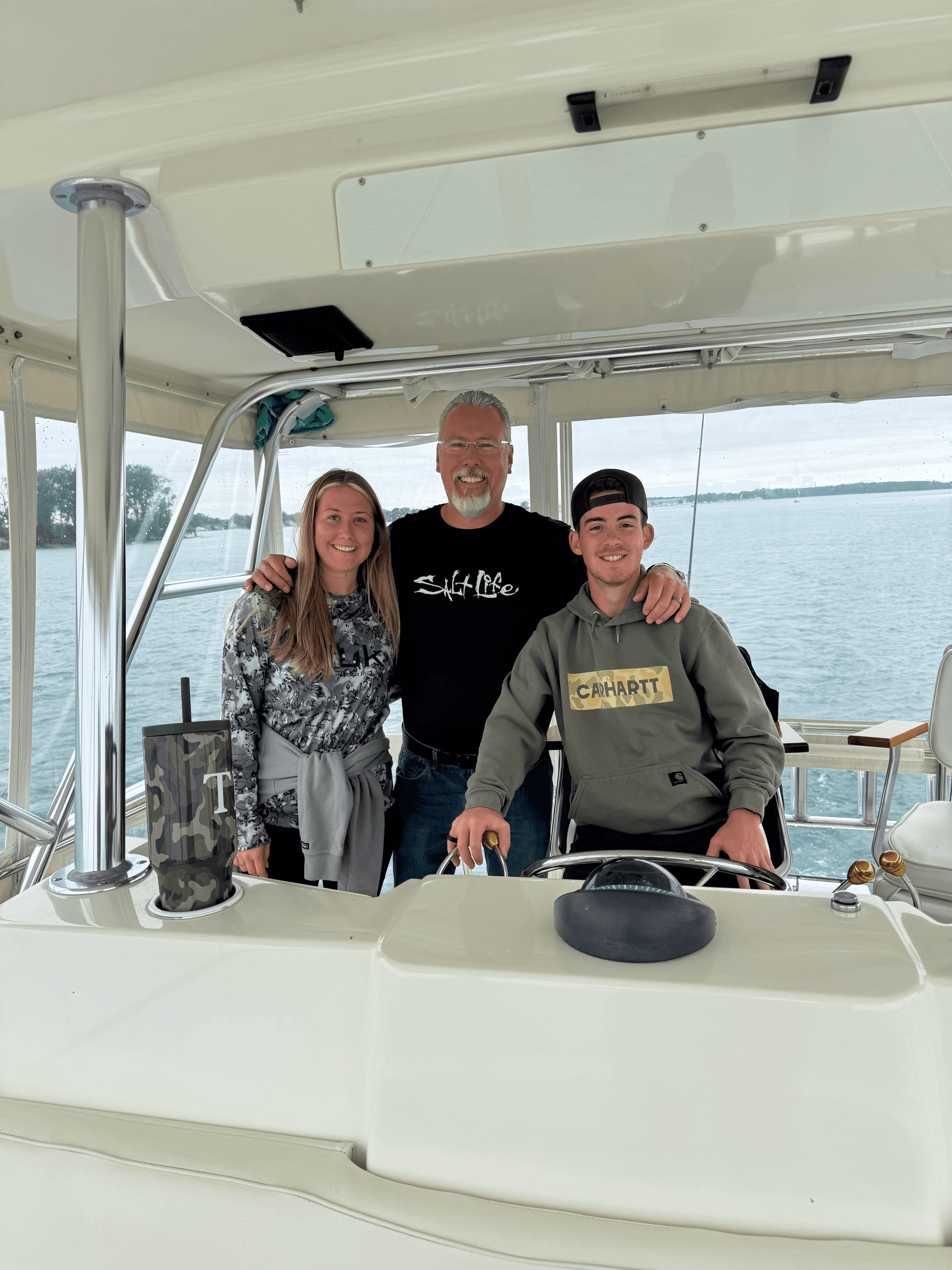
The First Mate Coaching Package
Deck leadership, dock lines, VHF radio, trip planning, and what to do in the terrifying event that your own captain has been injured or suffers a medical emergency. Your decisions and actions as the First Mate matter.
Let OCS bolster your knowledge and confidence. The only program of its kind on the Great Lakes.
WHAT TO KNOW
Why Lake Huron owners hire a professional captain.
The reasons that come up most often:
01
You're moving up from the southern lakes.
Owners who've run Lake St. Clair or the Detroit River for years often find that Lake Huron's openness, weather scale, and harbor spacing genuinely change how they have to think. Coaching on Lake Huron's terms — not just on your previous boat's terms — is the fastest way to get comfortable.
02
The run from SE Michigan is its own delivery.
Bringing a boat from Lake St. Clair up to Port Huron, or further, means transiting the St. Clair River — including the climb past the Bluewater Bridge against current. It's a substantial run that most owners don't want to do solo on a new vessel. I run this delivery regularly.
03
You're planning the run to Mackinac, the North Channel, or Georgian Bay.
These are the iconic Great Lakes destinations, and they're on most serious cruisers' lifetime lists. They're also long-range trips with real weather, fuel, and harbor planning challenges. Coaching for the trip — or running it as an owner-assisted delivery — is one of the most valuable engagements I offer. By the time you reach Mackinac on your own boat, you've effectively completed a multi-week cruising school.
04
Insurance asked for a captain.
Carriers often want a USCG-licensed captain on the first delivery of a new vessel to Lake Huron, particularly for boats that will be operating offshore on the open lake. I provide credentials, contracts, and the paperwork they need.
EXCLUSIVE PROGRAM
The First Mate Coaching Package
Deck leadership, dock lines, VHF radio, trip planning, and what to do in the terrifying event that your own captain has been injured or suffers a medical emergency. Your decisions and actions as the First Mate matter.
Let OCS bolster your knowledge and confidence. The only program of its kind on the Great Lakes.
ABOUT CAPTAIN TOM
Professionally licensed, with 36 years of context you can put to work.
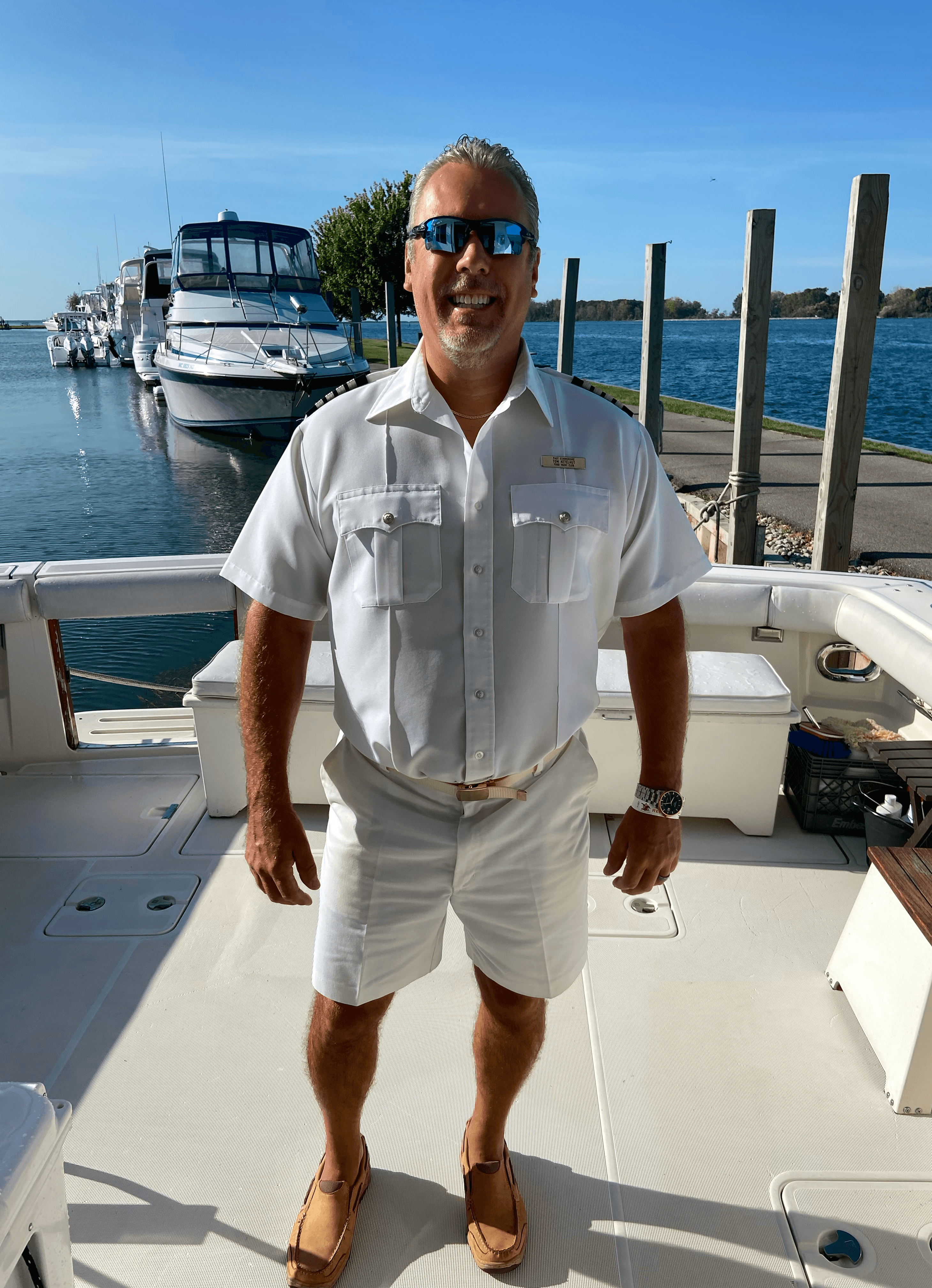
I've been running between the southern Great Lakes and Lake Huron for decades. The St. Clair River climb to the Bluewater Bridge is in the regular rotation; the Thumb coast and the run to Mackinac are part of any cruising captain's working knowledge. Three years on the Ford Yacht Club Board of Directors, Commodore from 2004 to 2006. Currently President of the Ford Yacht Club Past Commodores. I hold a USCG Master 100 GRT license for the Great Lakes and Inland Waters, plus a 50 GRT Near Coastal Master, both with the Commercial Towing Assistance endorsement. USCG Mariner Reference Number 2913289. If you're keeping a boat anywhere on Lake Huron — Port Huron, the Thumb coast, the upper lake — let's talk.

Tom Ketelhut
Owner, Offshore Captain Services

ABOUT CAPTAIN TOM
Professionally licensed, with 36 years of context you can put to work.
I've been running between the southern Great Lakes and Lake Huron for decades. The St. Clair River climb to the Bluewater Bridge is in the regular rotation; the Thumb coast and the run to Mackinac are part of any cruising captain's working knowledge. Three years on the Ford Yacht Club Board of Directors, Commodore from 2004 to 2006. Currently President of the Ford Yacht Club Past Commodores. I hold a USCG Master 100 GRT license for the Great Lakes and Inland Waters, plus a 50 GRT Near Coastal Master, both with the Commercial Towing Assistance endorsement. USCG Mariner Reference Number 2913289. If you're keeping a boat anywhere on Lake Huron — Port Huron, the Thumb coast, the upper lake — let's talk.
Tom Ketelhut
Owner, Offshore Captain Services
LEARN MORE
Frequently Asked Questions
Do you only work with southern Lake Huron boats?
No. While Port Huron and the Thumb coast are my most common Lake Huron operating areas, I work with owners based further north — Caseville, Port Austin, and into upper Lake Huron — and I run deliveries throughout the lake.
Will you come to my marina for coaching?
Yes. All coaching is conducted on your boat, in your home waters. For Lake Huron slips, I come to you with travel built into the engagement.
What size vessel do you handle?
My USCG license covers vessels up to 100 Gross Register Tons. Most coaching and delivery work on Lake Huron is on 35- to 65-foot cruisers — the size range where Lake Huron's open-water character really starts to matter.
Can you help me run the St. Clair River between Lake Huron and Lake St. Clair?
Yes — that's one of the most common deliveries I run. The river has its own currents, traffic patterns, and bridge timing. I run both directions regularly and can either deliver the boat directly or coach you through the route on your own vessel.
Can you help me plan a run to Mackinac or beyond?
Yes. Trip planning, route consultation, and either coaching or owner-assisted delivery for Mackinac, the North Channel, and Georgian Bay runs are all engagements I take on regularly. These are some of the most rewarding trips on the Great Lakes, and the right preparation makes the difference between a memorable trip and a stressful one.
How does insurance coverage work?
I provide my USCG credentials and Mariner Reference Number 2913289 to your carrier, and the carrier issues a rider or written confirmation. I have a standard professional mariner credential submission form for this purpose. Most carriers process it in a day or two.


READY TO GET STARTED?
Let's talk about your boat.
Every engagement starts with a conversation. Tell me about your vessel, your waters, and what you're working toward.
Or give me a call at (248)-497-5791. If I’m on the water, I’ll call you back same day.
READY TO GET STARTED?
Let's talk about your boat.
Every engagement starts with a conversation. Tell me about your vessel, your waters, and what you're working toward.
Or give me a call at (248)-497-5791. If I’m on the water, I’ll call you back same day.
READY TO GET STARTED?
Let's talk about your boat.
Every engagement starts with a conversation. Tell me about your vessel, your waters, and what you're working toward.
Or give me a call at (248)-497-5791. If I’m on the water, I’ll call you back same day.
Explore
©️ 2026 Offshore Captain Services LLC · All rights reserved
Explore
©️ 2026 Offshore Captain Services LLC · All rights reserved
Explore
©️ 2026 Offshore Captain Services LLC · All rights reserved