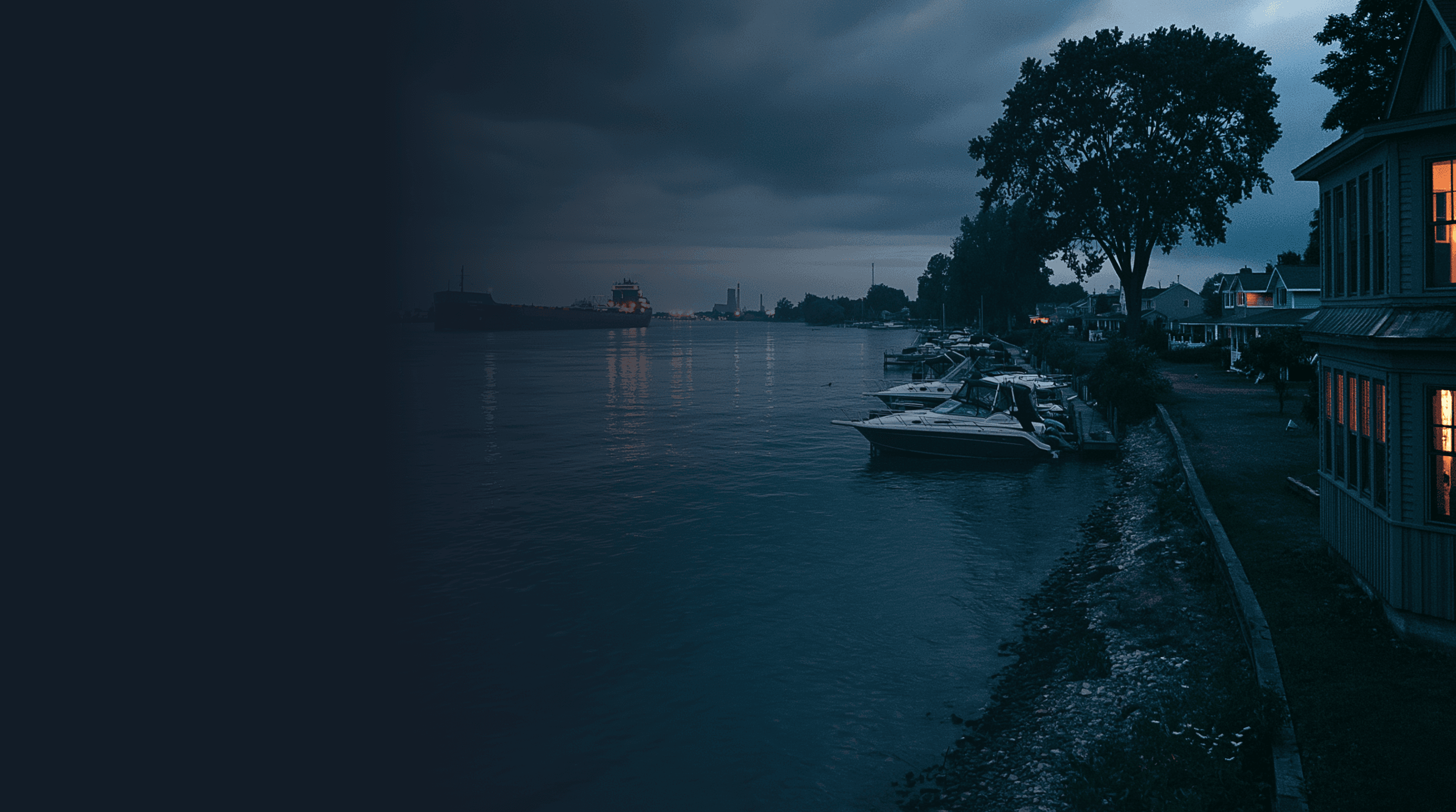
SERVICE AREA
Captain Services on the St. Clair River
USCG-licensed vessel deliveries, captain's coaching, and First Mate training for boat owners on the St. Clair River — the 40-mile corridor between Lake Huron and Lake St. Clair.
Or give me a call at (248) 497-5791. If I'm on the water, I'll call you back same day.
SERVICE AREA
Captain Services on the St. Clair River
USCG-licensed vessel deliveries, captain's coaching, and First Mate training for boat owners on the St. Clair River — the 40-mile corridor between Lake Huron and Lake St. Clair.
Or give me a call at (248) 497-5791. If I'm on the water, I'll call you back same day.
SERVICE AREA
Captain Services on the St. Clair River
USCG-licensed vessel deliveries, captain's coaching, and First Mate training for boat owners on the St. Clair River — the 40-mile corridor between Lake Huron and Lake St. Clair.
Or give me a call at (248) 497-5791. If I'm on the water, I'll call you back same day.
USCG Master 100 GRT
GREAT LAKES & INLAND WATERS
USCG Master 50 GRT
NEAR COASTAL
Commercial Towing Assistance
Endorsement
B.S. Mechanical Eng.
U of M Dearborn
Past Commodore
Ford Yacht Club · 2004–2006
USCG Master 100 GRT
GREAT LAKES & INLAND WATERS
USCG Master 50 GRT
NEAR COASTAL
Commercial Towing Assistance
Endorsement
B.S. Mechanical Eng.
U of M Dearborn
Past Commodore
Ford Yacht Club · 2004–2006
WHERE WE OPERATE
Home Waters
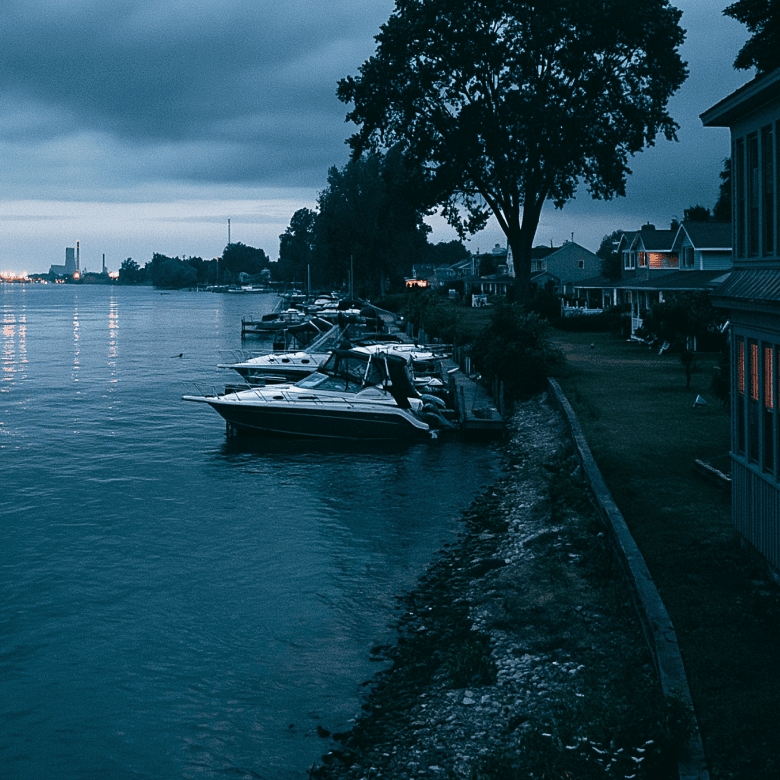
The St. Clair River runs 40 miles from Lake Huron at Port Huron down to Lake St. Clair at the Algonac/Harsens Island delta. It's the connector — the working corridor between the upper and lower Great Lakes — and one of the most underestimated pieces of water in SE Michigan. If your boat lives anywhere on the river — Port Huron, Marysville, St. Clair, Marine City, Algonac, or one of the cottage marinas along the banks — I work this water. Deliveries up and down the river are some of the most common engagements I run, in both directions. The St. Clair River is also where the Great Lakes climb begins. Going upbound from Lake St. Clair to Lake Huron, you climb roughly 8 feet vertical against current that runs 1-3 knots, sometimes more in the narrows. It's the kind of run that looks unremarkable on a chart and humbles you in person on a windy day.
WHERE WE OPERATE
Home Waters
The St. Clair River runs 40 miles from Lake Huron at Port Huron down to Lake St. Clair at the Algonac/Harsens Island delta. It's the connector — the working corridor between the upper and lower Great Lakes — and one of the most underestimated pieces of water in SE Michigan. If your boat lives anywhere on the river — Port Huron, Marysville, St. Clair, Marine City, Algonac, or one of the cottage marinas along the banks — I work this water. Deliveries up and down the river are some of the most common engagements I run, in both directions. The St. Clair River is also where the Great Lakes climb begins. Going upbound from Lake St. Clair to Lake Huron, you climb roughly 8 feet vertical against current that runs 1-3 knots, sometimes more in the narrows. It's the kind of run that looks unremarkable on a chart and humbles you in person on a windy day.
WHERE WE OPERATE
Home Waters
The St. Clair River runs 40 miles from Lake Huron at Port Huron down to Lake St. Clair at the Algonac/Harsens Island delta. It's the connector — the working corridor between the upper and lower Great Lakes — and one of the most underestimated pieces of water in SE Michigan. If your boat lives anywhere on the river — Port Huron, Marysville, St. Clair, Marine City, Algonac, or one of the cottage marinas along the banks — I work this water. Deliveries up and down the river are some of the most common engagements I run, in both directions. The St. Clair River is also where the Great Lakes climb begins. Going upbound from Lake St. Clair to Lake Huron, you climb roughly 8 feet vertical against current that runs 1-3 knots, sometimes more in the narrows. It's the kind of run that looks unremarkable on a chart and humbles you in person on a windy day.
WHAT I DO
What I do for St. Clair River boat owners.
The full menu of services applies. The most common engagements:
WHAT I DO
What I do for St. Clair River boat owners.
The full menu of services applies. The most common engagements:
WHAT TO KNOW
What you should know about boating on the St. Clair River.
A few things I'd tell any new owner running this water.
01
The current is the dominant factor.
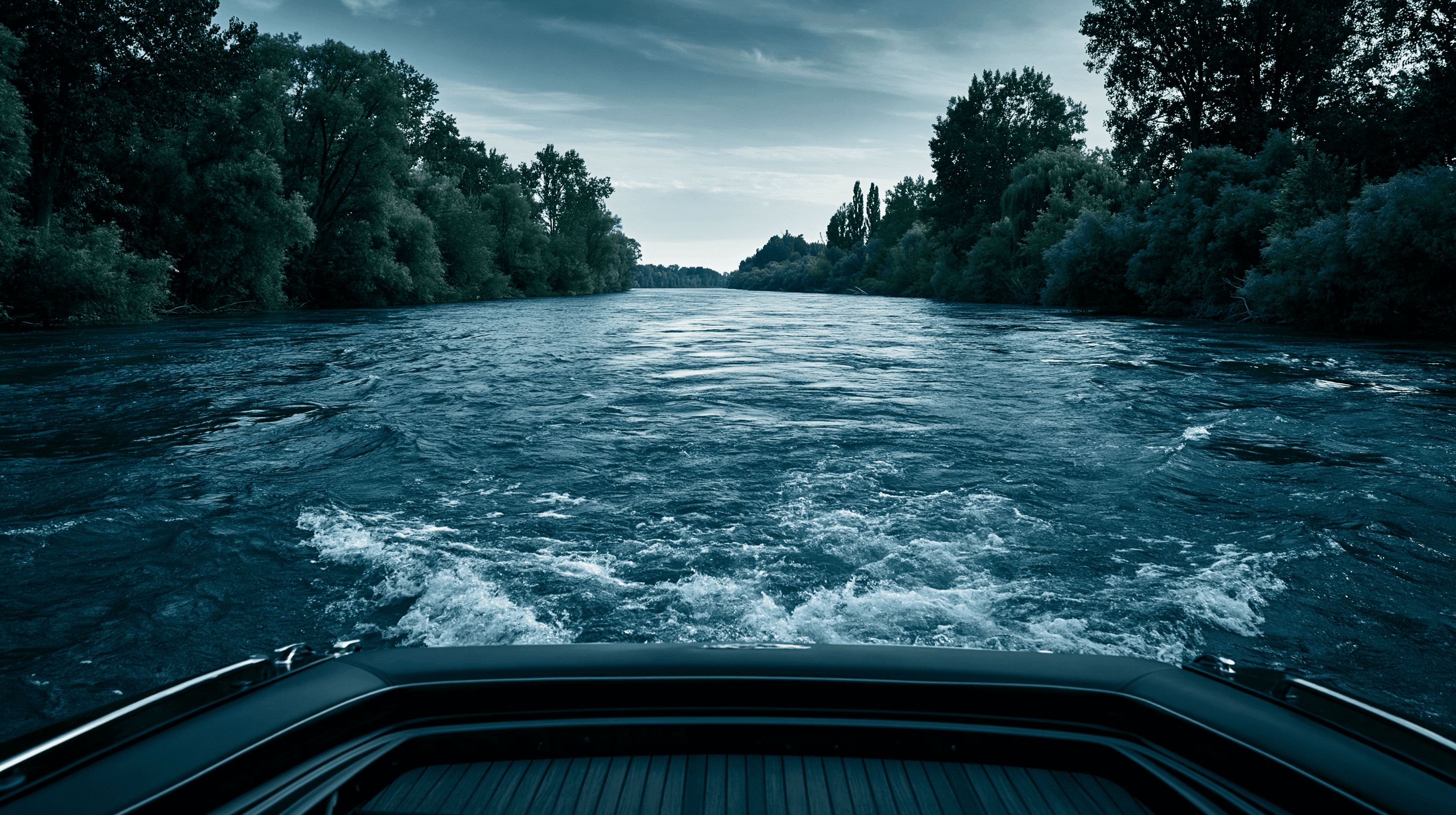
Surface current on the St. Clair River runs 1-3 knots in most sections, faster in the narrows north of Marysville and around Black River Junction at Port Huron. That current does most of the work for you on the downbound transit — and works against you on the upbound. Most new owners running upbound for the first time are surprised by how much engine they need to maintain comfortable headway against the current, especially when there's wind on the nose as well.
02
Slow-no-wake zones are extensive and enforced.
03
Three channels into Lake St. Clair.
04
Commercial traffic is constant.
05
The Bluewater Bridge marks the top.
WHAT TO KNOW
What you should know about boating on the St. Clair River.
A few things I'd tell any new owner running this water.
01
The current is the dominant factor.
Surface current on the St. Clair River runs 1-3 knots in most sections, faster in the narrows north of Marysville and around Black River Junction at Port Huron. That current does most of the work for you on the downbound transit — and works against you on the upbound. Most new owners running upbound for the first time are surprised by how much engine they need to maintain comfortable headway against the current, especially when there's wind on the nose as well.
02
Slow-no-wake zones are extensive and enforced.
03
Three channels into Lake St. Clair.
04
Commercial traffic is constant.
05
The Bluewater Bridge marks the top.
WHAT TO KNOW
What you should know about boating on the St. Clair River.
A few things I'd tell any new owner running this water.
01
The current is the dominant factor.
Surface current on the St. Clair River runs 1-3 knots in most sections, faster in the narrows north of Marysville and around Black River Junction at Port Huron. That current does most of the work for you on the downbound transit — and works against you on the upbound. Most new owners running upbound for the first time are surprised by how much engine they need to maintain comfortable headway against the current, especially when there's wind on the nose as well.
02
Slow-no-wake zones are extensive and enforced.
03
Three channels into Lake St. Clair.
04
Commercial traffic is constant.
05
The Bluewater Bridge marks the top.
Local marinas and ports I work with.
I've delivered boats to and from most of the major marinas along the river, including:
MARINAS (NOT LIMITED TO)
If your boat lives at any of these — or anywhere else along the river — I can speak to the dockage, the approaches, and the local quirks from direct experience.
Local marinas and ports I work with.
I've delivered boats to and from most of the major marinas along the river, including:
MARINAS (NOT LIMITED TO)
If your boat lives at any of these — or anywhere else along the river — I can speak to the dockage, the approaches, and the local quirks from direct experience.
Local marinas and ports I work with.
I've delivered boats to and from most of the marinas on and around Grosse Ile, including:
MARINAS (NOT LIMITED TO)
If your boat lives at any of these — or anywhere else along the river — I can speak to the dockage, the approaches, and the local quirks from direct experience.
WHAT TO KNOW
Why St. Clair River owners hire a professional captain.
A few reasons that come up most often:
01
Running upbound for the first time is intimidating.
The combination of current, narrow water, freighter traffic, and the climb itself means a lot of owners avoid the upbound run on their own. Coaching for the route — or having a professional captain make the run with you — is often the engagement that turns the trip from "something I'm not sure about" into "something I do every season."
02
The boat just got bigger, and the river feels different.
03
You bought the boat upstream or downstream.
04
Insurance asked for a captain.
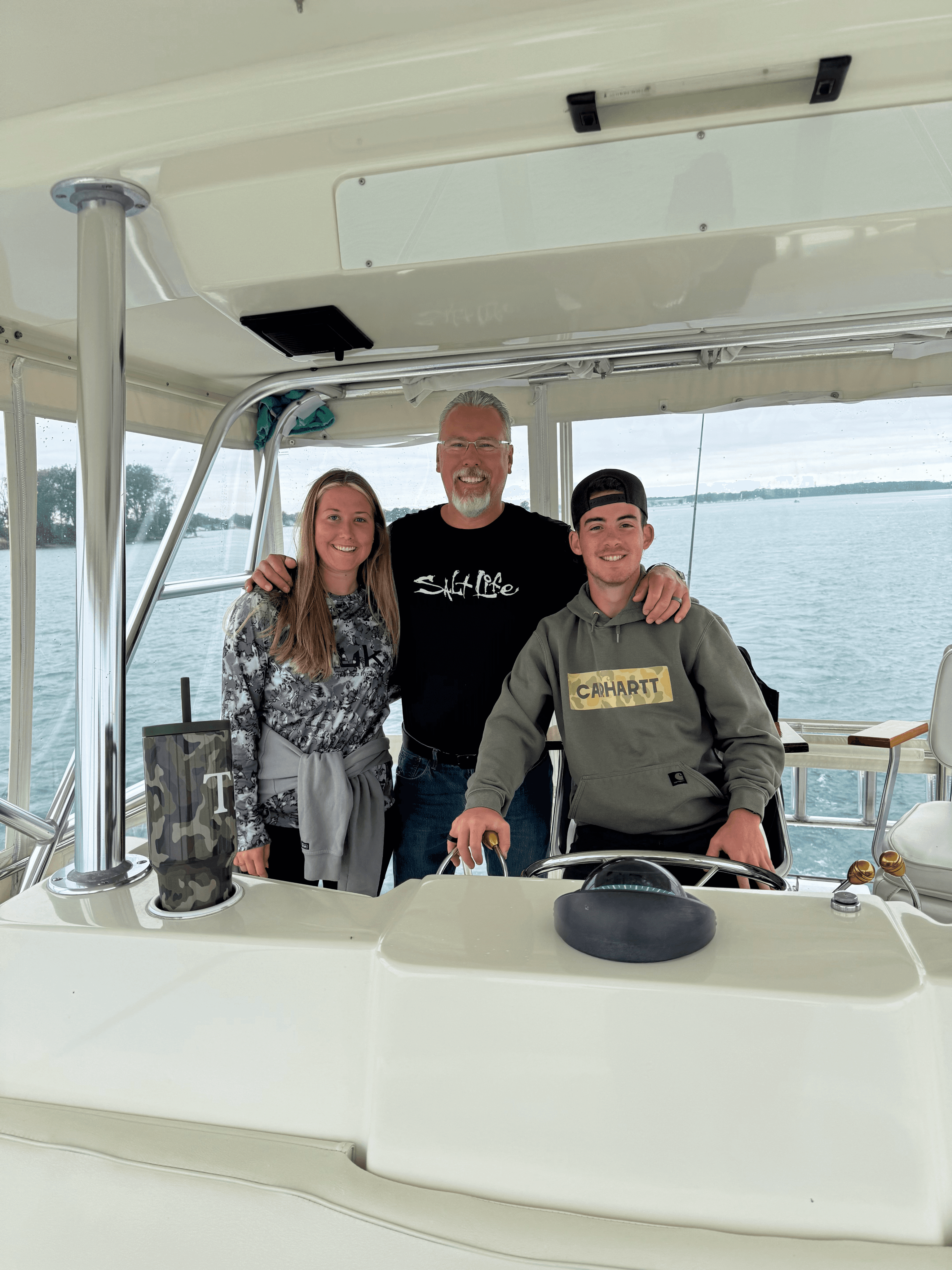
EXCLUSIVE PROGRAM
The First Mate Coaching Package
Deck leadership, dock lines, VHF radio, trip planning, and what to do in the terrifying event that your own captain has been injured or suffers a medical emergency. Your decisions and actions as the First Mate matter.
Let OCS bolster your knowledge and confidence. The only program of its kind on the Great Lakes.
WHAT TO KNOW
Why St. Clair River owners hire a professional captain.
A few reasons that come up most often:
01
Running upbound for the first time is intimidating.
The combination of current, narrow water, freighter traffic, and the climb itself means a lot of owners avoid the upbound run on their own. Coaching for the route — or having a professional captain make the run with you — is often the engagement that turns the trip from "something I'm not sure about" into "something I do every season."
02
The boat just got bigger, and the river feels different.
03
You bought the boat upstream or downstream.
04
Insurance asked for a captain.
EXCLUSIVE PROGRAM
The First Mate Coaching Package
Deck leadership, dock lines, VHF radio, trip planning, and what to do in the terrifying event that your own captain has been injured or suffers a medical emergency. Your decisions and actions as the First Mate matter.
Let OCS bolster your knowledge and confidence. The only program of its kind on the Great Lakes.
WHAT TO KNOW
Why St. Clair River owners hire a professional captain.
A few reasons that come up most often:
01
Running upbound for the first time is intimidating.
The combination of current, narrow water, freighter traffic, and the climb itself means a lot of owners avoid the upbound run on their own. Coaching for the route — or having a professional captain make the run with you — is often the engagement that turns the trip from "something I'm not sure about" into "something I do every season."
02
The boat just got bigger, and the river feels different.
03
You bought the boat upstream or downstream.
04
Insurance asked for a captain.
EXCLUSIVE PROGRAM
The First Mate Coaching Package
Deck leadership, dock lines, VHF radio, trip planning, and what to do in the terrifying event that your own captain has been injured or suffers a medical emergency. Your decisions and actions as the First Mate matter.
Let OCS bolster your knowledge and confidence. The only program of its kind on the Great Lakes.
ABOUT CAPTAIN TOM
Professionally licensed, with 36 years of context you can put to work.
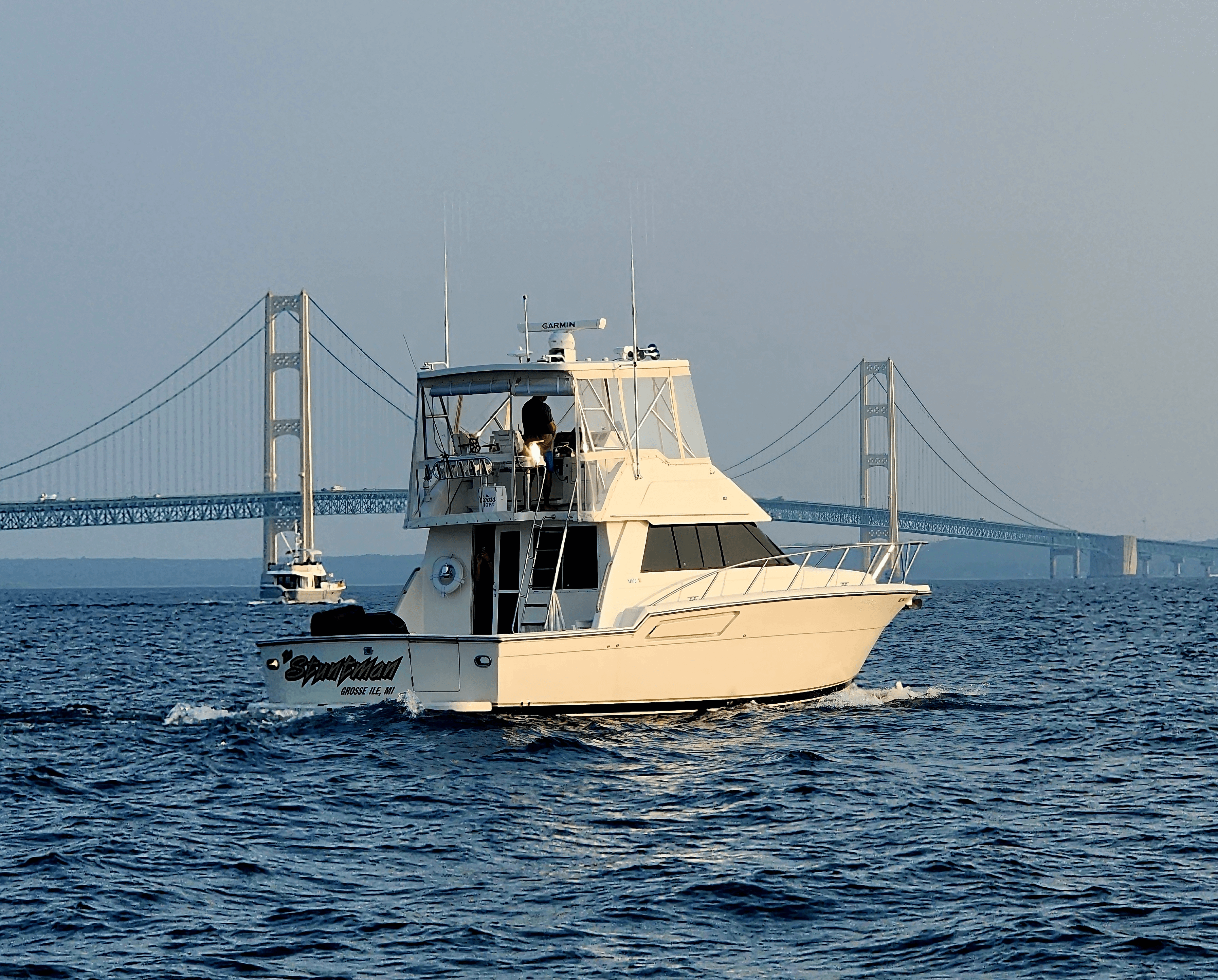
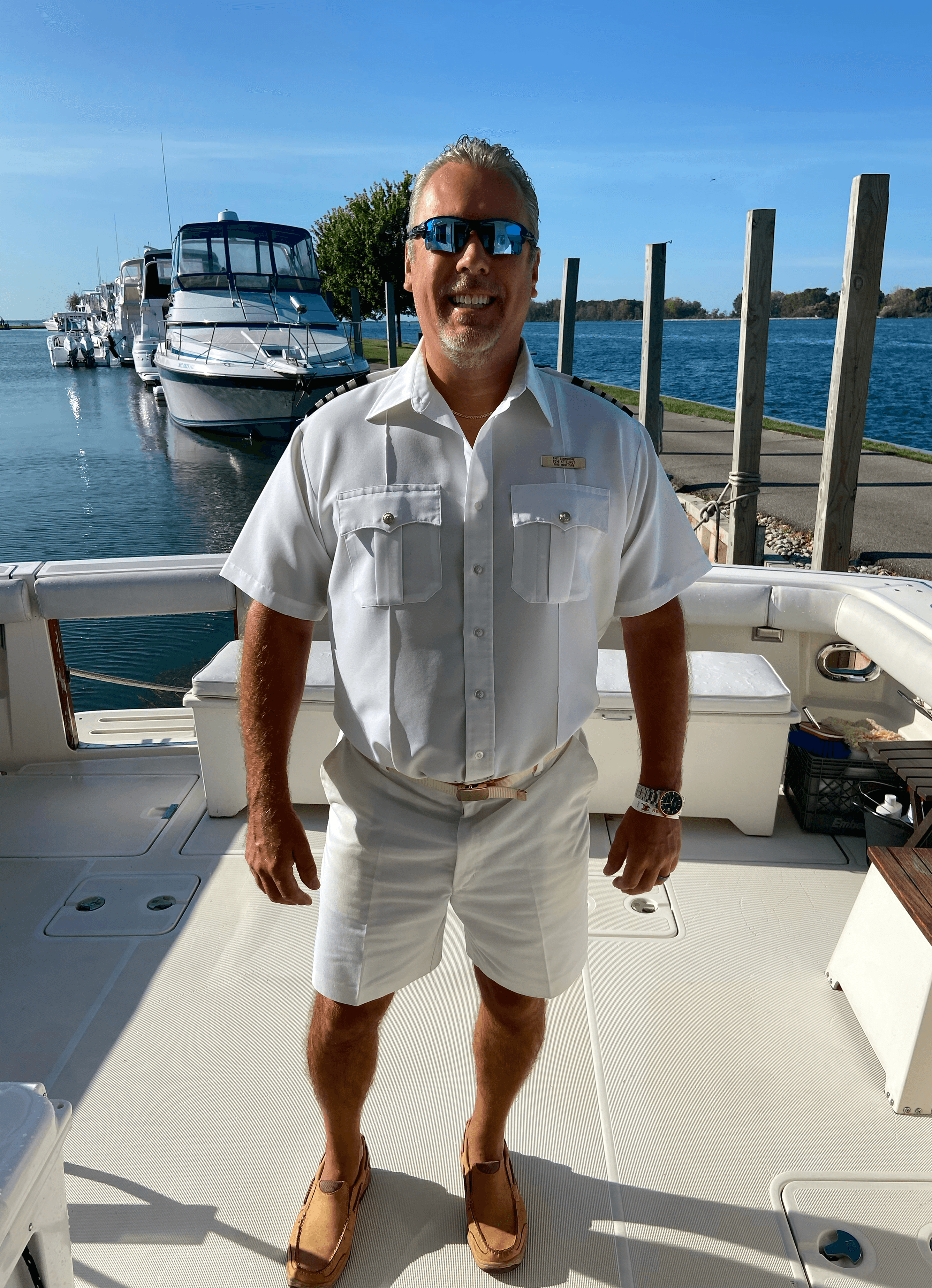
The St. Clair River is in the regular working rotation — I run it both directions multiple times most seasons, both for delivery work and as part of larger Great Lakes engagements. Three years on the Ford Yacht Club Board of Directors, Commodore from 2004 to 2006. Currently President of the Ford Yacht Club Past Commodores. I hold a USCG Master 100 GRT license for the Great Lakes and Inland Waters, plus a 50 GRT Near Coastal Master, both with Commercial Towing endorsement. USCG Mariner Reference Number 2913289. If you're keeping a boat anywhere on the river — Port Huron, Marysville, St. Clair, Marine City, Algonac, or the Harsens Island delta — let's talk.
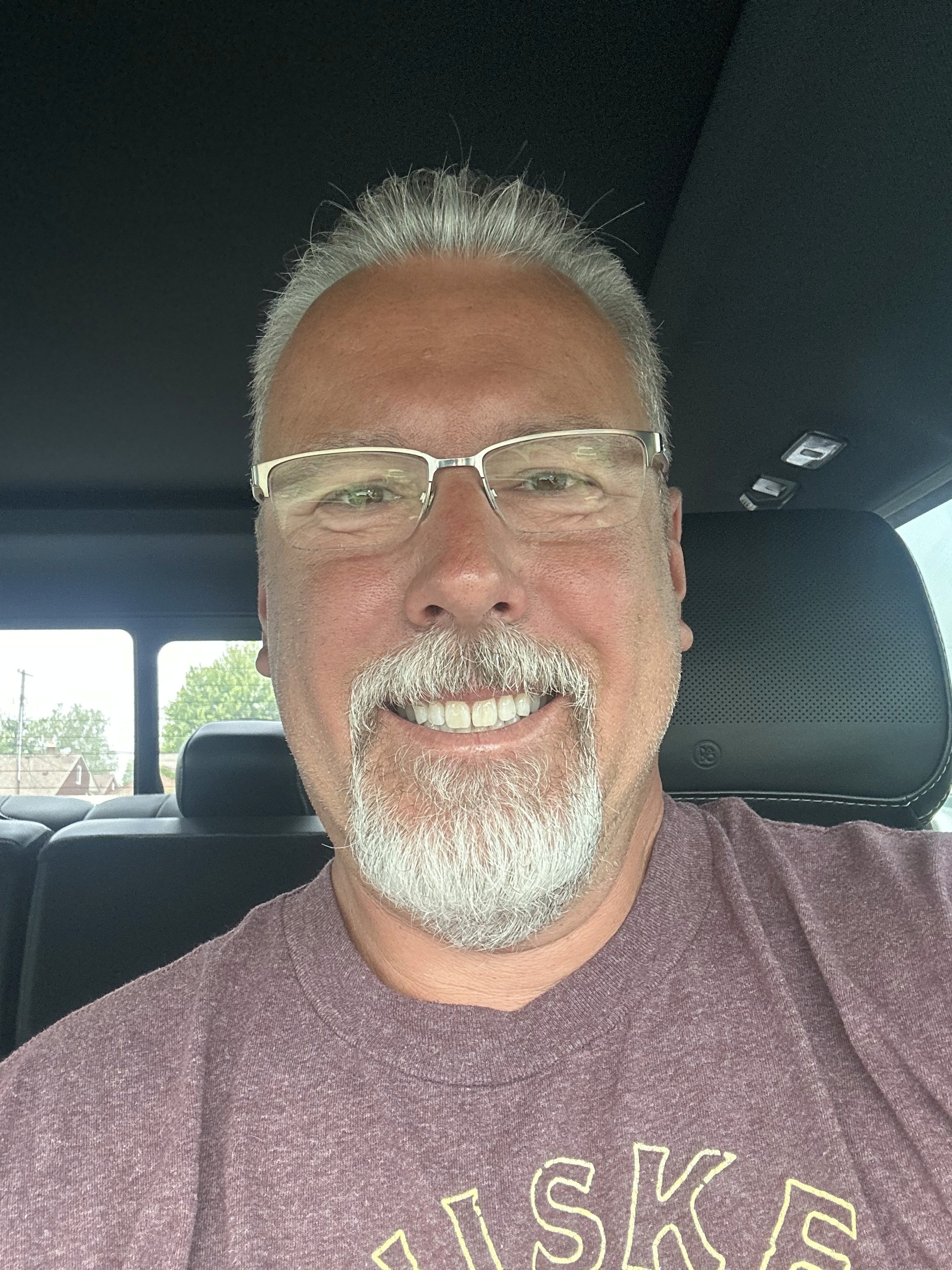
Tom Ketelhut
Owner, Offshore Captain Services
ABOUT CAPTAIN TOM
Professionally licensed, with 36 years of context you can put to work.
The St. Clair River is in the regular working rotation — I run it both directions multiple times most seasons, both for delivery work and as part of larger Great Lakes engagements. Three years on the Ford Yacht Club Board of Directors, Commodore from 2004 to 2006. Currently President of the Ford Yacht Club Past Commodores. I hold a USCG Master 100 GRT license for the Great Lakes and Inland Waters, plus a 50 GRT Near Coastal Master, both with Commercial Towing endorsement. USCG Mariner Reference Number 2913289. If you're keeping a boat anywhere on the river — Port Huron, Marysville, St. Clair, Marine City, Algonac, or the Harsens Island delta — let's talk.
Tom Ketelhut
Owner, Offshore Captain Services
ABOUT CAPTAIN TOM
Professionally licensed, with 36 years of context you can put to work.
The St. Clair River is in the regular working rotation — I run it both directions multiple times most seasons, both for delivery work and as part of larger Great Lakes engagements. Three years on the Ford Yacht Club Board of Directors, Commodore from 2004 to 2006. Currently President of the Ford Yacht Club Past Commodores. I hold a USCG Master 100 GRT license for the Great Lakes and Inland Waters, plus a 50 GRT Near Coastal Master, both with Commercial Towing endorsement. USCG Mariner Reference Number 2913289. If you're keeping a boat anywhere on the river — Port Huron, Marysville, St. Clair, Marine City, Algonac, or the Harsens Island delta — let's talk.
Tom Ketelhut
Owner, Offshore Captain Services
LEARN MORE
Frequently Asked Questions
Do you only work with St. Clair River boats?
No. The St. Clair River is one of the routes I run most regularly, but I work with owners across SE Michigan and the broader Great Lakes. For deliveries, I'll go wherever your boat needs to go.
Will you come to my marina for coaching?
Yes. All coaching is conducted on your boat, in your home waters. For St. Clair River slips, I come to you with travel built into the engagement.
What size vessel do you handle?
My USCG license covers vessels up to 100 Gross Register Tons. Most coaching and delivery work on the river is on 30- to 65-foot cruisers and sportfish.
Can you handle the upbound transit specifically?
Yes — that's one of the most common engagements I take on for river owners. The combination of current, narrow water, and freighter traffic makes the upbound run more demanding than it looks on the chart. I run it regularly and can either make the trip for you or coach you through it on your own vessel.
How does insurance coverage work?
I provide my USCG credentials and Mariner Reference Number 2913289 to your carrier, and the carrier issues a rider or written confirmation. I have a standard professional mariner credential submission form for this purpose. Most carriers process it in a day or two.
LEARN MORE
Frequently Asked Questions
Do you only work with St. Clair River boats?
No. The St. Clair River is one of the routes I run most regularly, but I work with owners across SE Michigan and the broader Great Lakes. For deliveries, I'll go wherever your boat needs to go.
Will you come to my marina for coaching?
Yes. All coaching is conducted on your boat, in your home waters. For St. Clair River slips, I come to you with travel built into the engagement.
What size vessel do you handle?
My USCG license covers vessels up to 100 Gross Register Tons. Most coaching and delivery work on the river is on 30- to 65-foot cruisers and sportfish.
Can you handle the upbound transit specifically?
Yes — that's one of the most common engagements I take on for river owners. The combination of current, narrow water, and freighter traffic makes the upbound run more demanding than it looks on the chart. I run it regularly and can either make the trip for you or coach you through it on your own vessel.
How does insurance coverage work?
I provide my USCG credentials and Mariner Reference Number 2913289 to your carrier, and the carrier issues a rider or written confirmation. I have a standard professional mariner credential submission form for this purpose. Most carriers process it in a day or two.
LEARN MORE
Frequently Asked Questions
Do you only work with St. Clair River boats?
No. The St. Clair River is one of the routes I run most regularly, but I work with owners across SE Michigan and the broader Great Lakes. For deliveries, I'll go wherever your boat needs to go.
Will you come to my marina for coaching?
Yes. All coaching is conducted on your boat, in your home waters. For St. Clair River slips, I come to you with travel built into the engagement.
What size vessel do you handle?
My USCG license covers vessels up to 100 Gross Register Tons. Most coaching and delivery work on the river is on 30- to 65-foot cruisers and sportfish.
Can you handle the upbound transit specifically?
Yes — that's one of the most common engagements I take on for river owners. The combination of current, narrow water, and freighter traffic makes the upbound run more demanding than it looks on the chart. I run it regularly and can either make the trip for you or coach you through it on your own vessel.
How does insurance coverage work?
I provide my USCG credentials and Mariner Reference Number 2913289 to your carrier, and the carrier issues a rider or written confirmation. I have a standard professional mariner credential submission form for this purpose. Most carriers process it in a day or two.
READY TO GET STARTED?
Let's talk about your boat.
Every engagement starts with a conversation. Tell me about your vessel, your waters, and what you're working toward.
Or give me a call at (248)-497-5791. If I’m on the water, I’ll call you back same day.
READY TO GET STARTED?
Let's talk about your boat.
Every engagement starts with a conversation. Tell me about your vessel, your waters, and what you're working toward.
Or give me a call at (248)-497-5791. If I’m on the water, I’ll call you back same day.
READY TO GET STARTED?
Let's talk about your boat.
Every engagement starts with a conversation. Tell me about your vessel, your waters, and what you're working toward.
Or give me a call at (248)-497-5791. If I’m on the water, I’ll call you back same day.
Explore
©️ 2026 Offshore Captain Services LLC · All rights reserved
Explore
©️ 2026 Offshore Captain Services LLC · All rights reserved
Explore
©️ 2026 Offshore Captain Services LLC · All rights reserved