A Delivery Day, Hour by Hour: What It Looks Like When a Captain Moves Your Boat
Owners see the departure and the arrival. Here's everything that happens in between, from the 5 a.m. engine room check to the last line on the dock.

It's a quarter to five in the morning and I'm standing in your engine room with a flashlight while you're still asleep. That's how most delivery days start. Owners see two moments of a delivery: the boat leaving and the boat arriving. Everything that makes those two moments uneventful happens in between, and most of it is invisible. So here's a full delivery day from my side of the helm, on a run I make regularly: Lake St. Clair up to northern Lake Huron.
5:00 a.m. — The engine room, before anything else
Before a line comes off the dock, the engine room gets a full check: strainers, fluid levels, belts, any sign of leaks, and the blowers. Then the safety sweep topside. Marine radio working. Life jackets accessible. Flares in date. Fire extinguishers charged. Horn, nav lights, registration aboard. None of this is dramatic, and that's the point. The best delivery days are the ones where the drama was eliminated at the dock.
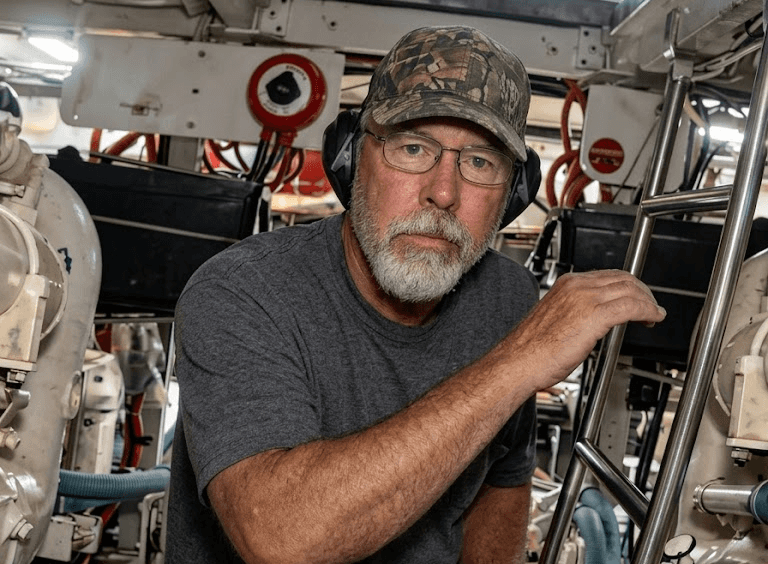
If the boat's been prepped right, this check confirms rather than discovers. I've written before about how to prepare a boat for delivery, and the owners who work through that list ahead of time save themselves a billable morning of me chasing down expired flares and dead batteries.
5:45 a.m. — The float plan goes out
Before departure, a float plan is filed with someone ashore: route, timing, checkpoints, and when to worry. It takes ten minutes and it's non-negotiable on my deliveries. If you've never done one for your own trips, here's how I file mine.
This is also when the paperwork earns its keep. The delivery agreement is signed, and the insurance rider naming me on the owner's policy was confirmed days ago, because I won't leave the dock without one.
6:15 a.m. — Lines off
First light, flat water, and out of the marina at idle. The first hour of a delivery is a shakedown whether you call it one or not. I'm watching gauges, listening to the engines, feeling how the boat trims out. If something's going to announce itself, it usually does it early, close to home, where the options are good. That's by design.
The long middle — 7:00 a.m. to mid-afternoon
This is the part nobody pictures: hours of holding a course, managing fuel burn, adjusting trim as conditions change, tracking freighter traffic up the river, and rechecking the weather every hour against what the forecast promised at 5 a.m. A delivery is mostly disciplined monotony. The skill isn't in the exciting moments; it's in noticing the small changes early enough that there are no exciting moments.
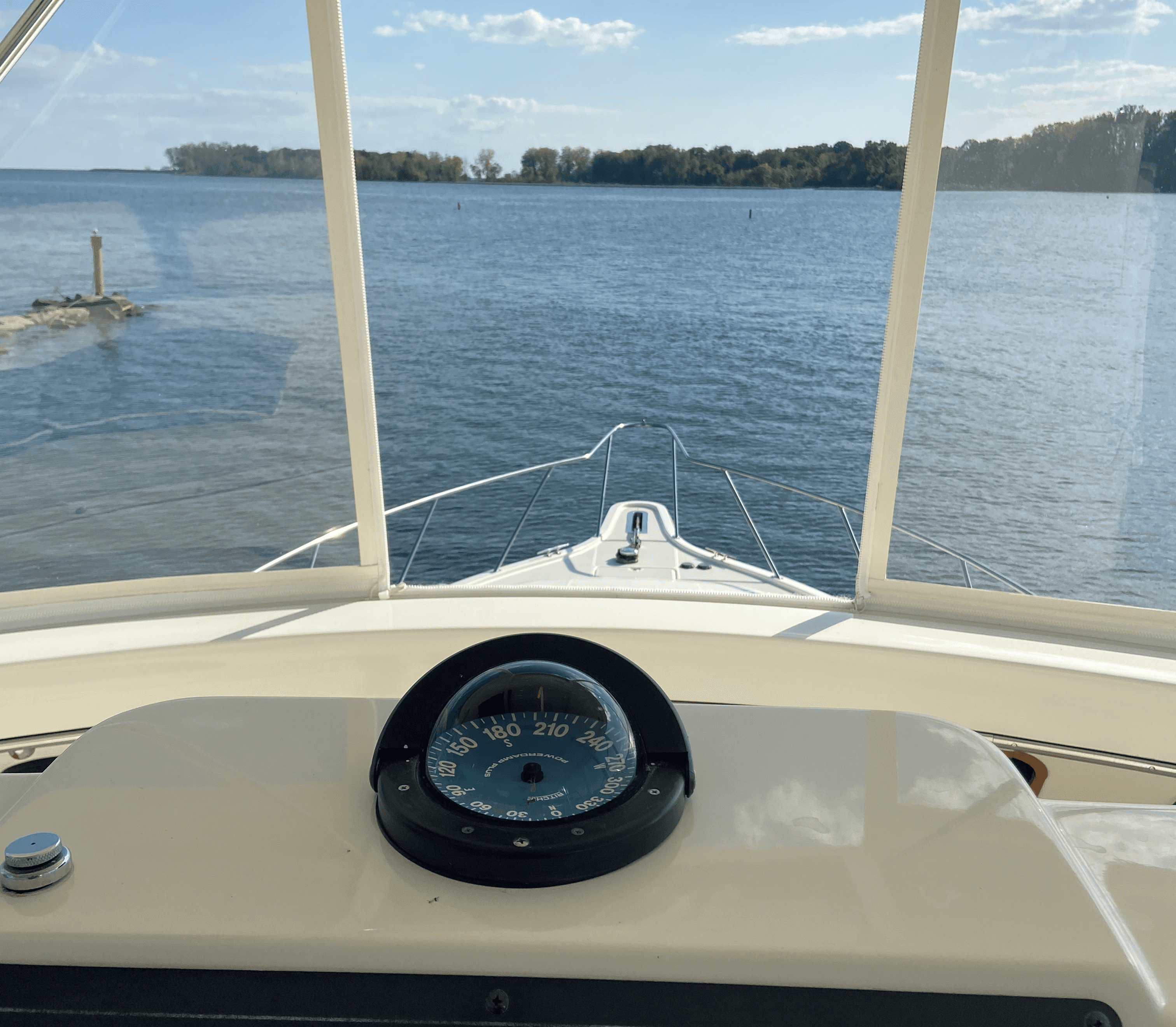
Somewhere in here, lunch happens at the helm, the log gets its entries (fuel, weather, engine readings, position — the same habit I recommend in keeping a ship's log), and the afternoon plan gets a hard look. Wind building ahead of schedule? There's always a Plan B port, chosen before departure, not invented under pressure. Owners sometimes ask why a delivery takes as long as it does. This is why. The schedule bends to the water, never the other way around.
4:30 p.m. — The arrival
The last hour is the reverse of the first: speeds come down, attention goes up. New harbor, unfamiliar entrance, dock hands of unknown quality. Lines and fenders get set early, the approach gets planned out loud even when I'm alone, and the boat goes in like it's the hundredth time I've seen this dock, because the process is the same every time.
Then the part owners never see: the post-cruise engine room check. Fluids, strainers, belts, bilge. The boat gets handed over the way I'd want mine handed to me, with the log entries done and anything worth mentioning written down, not mentioned in passing.
6:00 p.m. — The handoff
The float plan gets closed out, the owner gets a call, and the day ends the way every good delivery ends: with nothing to report.
If you have a boat that needs to move this season, Great Lakes boat delivery is what I do, and I run boat deliveries in Florida year-round. And if you'd rather be aboard for it and turn the trip into training on your own boat, an owner-assisted delivery covers both. Either way, a quick call sorts out most of it.
Keep Reading


FROM THE HELM
New articles, straight to your inbox.
A short note whenever a new piece goes up — seamanship, ownership, and lessons from the water. No spam, unsubscribe anytime.