Raft-Up Etiquette: How Not to Be That Boat in the Anchorage
Every raft-up has one boat everybody's keeping an eye on. Here's how to make sure it's never yours.

Every raft-up has one boat everybody's keeping an eye on. The one that came in too hot, tied off to somebody's cleat without asking, and is now swinging on an anchor nobody trusts. On Lake St. Clair, where rafting is practically the official summer sport and the August raft-up events pack hundreds of boats onto the sandbars, being that boat follows you around for years. Raft-up etiquette isn't complicated. It's mostly seamanship plus manners, and here's the whole playbook.
Joining a raft: ask first, approach slow
You don't tie onto a raft; you're invited onto one. Hail them, ask, and let them tell you which side. While you wait for the answer, get your fenders set and your lines ready on the correct side, because fumbling with fenders while drifting down onto someone's gelcoat is how reputations get made.
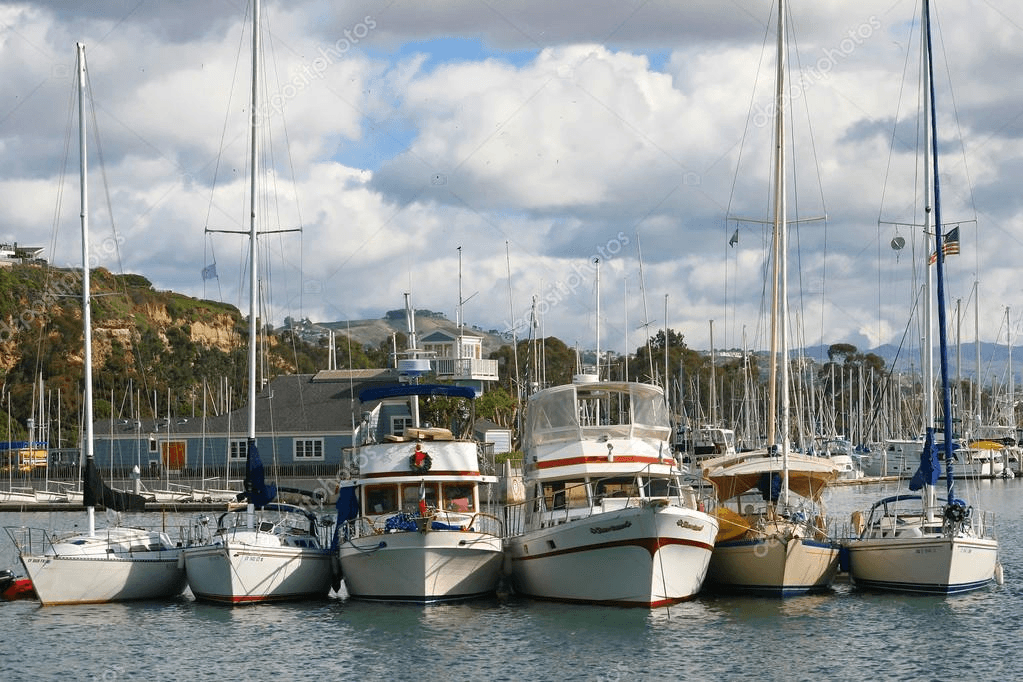
Approach at idle, into the wind or current, whichever is doing more work, and come alongside like you're docking, because you are. The boat you're tying to is somebody's pride and joy with people on it. If close-quarters control isn't your strong suit yet, that's a fixable problem, and it's most of what I work on with owners in Captain's Coaching.
The anchor question: one hook, one responsible party
Most rafts hang on the anchor of the first or largest boat, and everyone else ties alongside. That makes the anchor boat's ground tackle the thing everyone's afternoon depends on, so two rules follow.
If you're the anchor boat, set the hook like the whole raft is riding on it, because it is. Proper scope, a real set, and an honest assessment of what happens when the wind shifts. I broke the full sequence down in setting anchor without drifting, and a raft-up is exactly when that discipline pays off.
If you're joining, don't silently assume the anchor is good. Ask how much scope is out. A raft is a team sport, and a dragging raft of six boats is six times the problem of one.
Raft math
Every boat you add increases windage on the same single anchor. Big rafts in building wind should add a second hook off the end boat or break up.
Nobody has ever regretted breaking up a raft early. Plenty have regretted the opposite.
Aboard the raft: where to walk, what to bring
The rules aboard are old and universal. Cross other boats over the foredeck, not through the cockpit; the bow is the hallway, the cockpit is the living room. Shoes off if that's the boat's rule, and it's not your call to decide it's a silly rule. Bring more than you take: ice, food, and drinks flow toward the raft, not away from it.
Music is a negotiation, not a right. Kids and dogs are welcome almost everywhere but are your responsibility precisely everywhere. And the water between hulls is off limits for swimming; boats move, and props and swim platforms don't care how good the party is.
Most of this is the same common sense I put in the boat guest etiquette piece, scaled up from one boat to six. The stakes just multiply with the fleet.
Leaving: the order matters
Boats leave a raft from the outside in, and you announce your departure before you start untying anything. If you're buried in the middle with an early exit planned, say so when you arrive and take an outside spot. Watching a mid-raft boat try to extract itself while five crews re-rig lines is the anchorage's second-favorite spectator sport, right behind watching someone drag.
Wakes deserve a mention here too. Coming into or leaving a busy anchorage, your wake arrives at every raft before your apology can. Idle means idle.
The whole thing in one sentence
Show up ready, ask before you tie, respect the anchor, bring more than you take, and leave without drama. Do that on Anchor Bay some Saturday this August and you'll get waved over to rafts for the rest of your boating life.
And if the docking-under-an-audience part of rafting is the piece that keeps you home on the big weekends, that's exactly the skill a coaching day fixes. A quick call sorts out most of it.
Keep Reading



FROM THE HELM
New articles, straight to your inbox.
A short note whenever a new piece goes up — seamanship, ownership, and lessons from the water. No spam, unsubscribe anytime.