Four Ways to Have a Safe Fourth of July on the Water
The biggest boating day of the year rewards a little planning. Four things to get right, from the anchor-out to the ride home in the dark.

The Fourth of July is the biggest boating day of the year, and the numbers show it. The Coast Guard's statistics put July at the top of the list for boating incidents, injuries, and deaths, ahead of every other month. That's not because boaters get worse in July. It's because everybody is out there at once, in tight quarters, and a lot of the day's traffic is running on holiday judgment.
This year will be busier than most. It's the country's 250th birthday, and every harbor from Lake Erie to Lake Huron is going to look like a parking lot by mid-afternoon. None of that should keep you at the dock. Fireworks over the water with your family aboard is one of the best nights the Great Lakes season has to offer. It just rewards a little planning, so here are the four things I'd get right.
1. Settle the sober-operator question before anyone steps aboard
Alcohol is the leading known contributing factor in fatal boating accidents, tied to one in five boating deaths in 2024. In Michigan, operating a boat at 0.08 or above is against the law, the same threshold as your car, and an officer doesn't need a number if you look impaired at the helm.
This weekend is also Operation Dry Water, the national enforcement push that runs July 3 through 5. There will be more patrol boats on the water than any other weekend of the season, and they are not out there to wave.
Your guests can enjoy themselves. Whoever runs the boat home stays dry, and that gets decided at the dock, not at dusk when everyone's had a few and nobody wants the job. While you're at it, file a float plan with someone on shore. On the busiest boating day of the year, the person who knows where you went and when to expect you back matters more, not less.
2. Anchor early, and anchor like you mean it
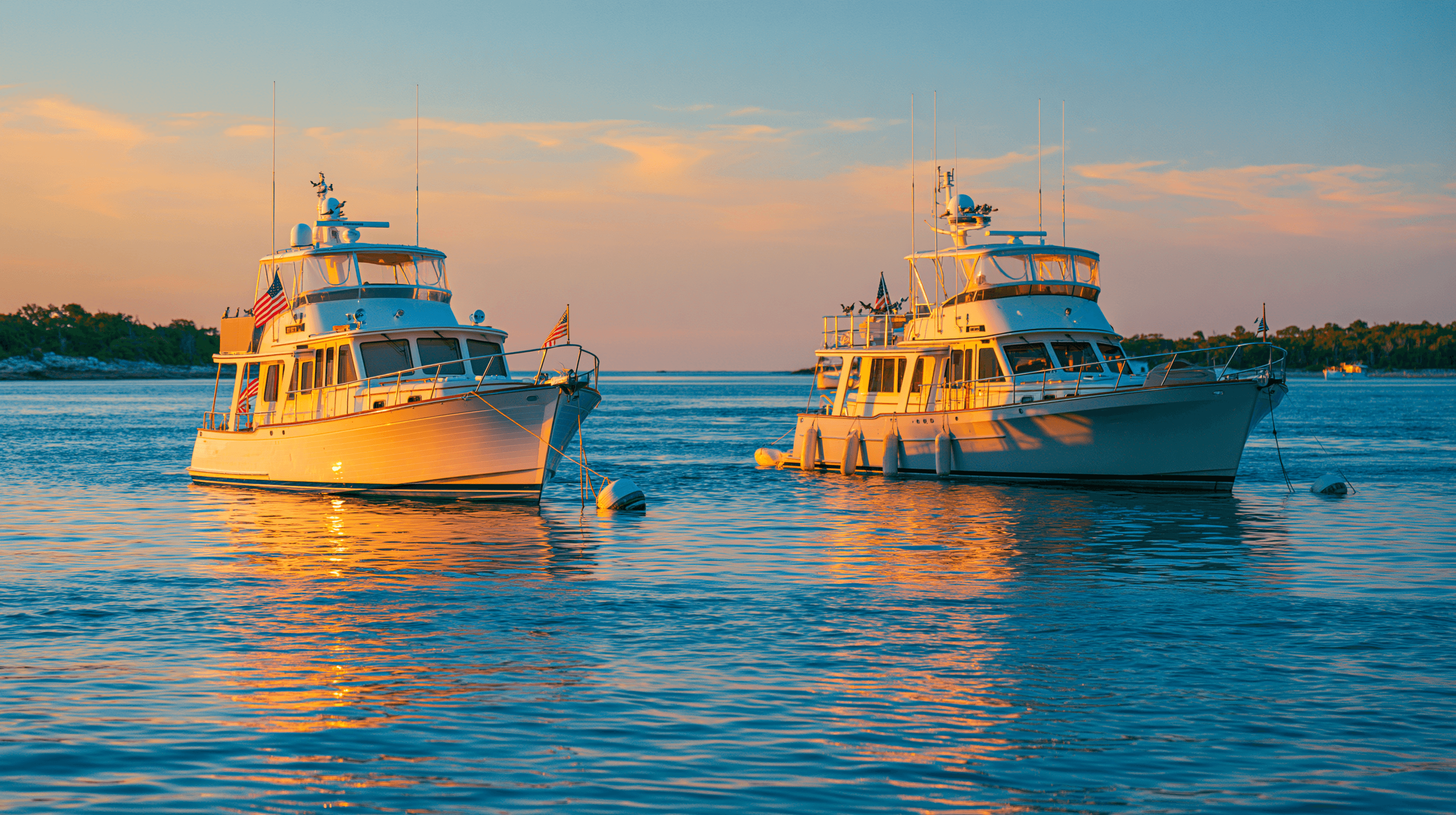
If you're anchoring out for the fireworks, arrive two to three hours before sunset. That gives you time to pick your spot, set the hook properly, and confirm you're holding before the light goes. Pay attention to your scope and your swing room, because the boats around you will be packed closer than you'd ever choose on a normal day. The guy who dropped his anchor straight down at 5:30 is the one drifting into somebody at 9:15, and nobody likes that guy.
On Lake St. Clair, spots like Muscamoot Bay will hold hundreds of rafted boats on the Fourth. If you're rafting up, the largest boat anchors first and everyone ties to it with fenders out and lines doubled. Know how the raft breaks apart before dark, in what order, and who's directing it.
Two more things before the first shell goes up. Turn on your anchor light while there's still enough daylight to fix it if it doesn't work. And respect the safety perimeter around the fireworks barge; the patrol boats holding that line aren't interested in negotiating, and neither is falling debris.
3. Brief your guests like crew, because tonight they are
Holiday guests are usually the least experienced people you'll carry all season, and you're carrying them on the hardest night. Before you leave the dock, walk them through where the life jackets are, where they sit for the ride home, and the one rule that isn't negotiable: seated and holding on while the boat is underway in the dark.
Life jackets get worn for the night run, you included. Not stowed, not accessible, worn. Of the people who drowned in boating accidents in 2024, 87 percent weren't wearing one, and a nighttime man-overboard in a crowded channel is close to the worst-case version of that event. This is where the captain sets the example. If you put yours on, your guests put theirs on. Nobody argues with the guy driving.
If your regular first mate is aboard, put them in charge of the guests entirely so your attention stays outside the boat. That division of labor, captain on the water and first mate on the deck, is the whole reason the First Mate role exists, and there's no night on the calendar where it earns its keep more.
4. Plan the ride home before it gets dark

Here's the part most Fourth of July advice skips. The finale ends, everyone's night vision is wrecked from staring at explosions for twenty minutes, and a few hundred operators start engines at once. Some have no lights on. Some have been drinking since noon. All of them are heading for the same handful of harbor entrances.
You don't have to be part of that. The single best move available to you is to wait. Sit tight for twenty or thirty minutes, let the herd thin out, let your eyes come back, and then pick your way home through traffic that has dropped by half. Nobody has ever regretted being the second wave.
When you do get underway, run slow. Displacement speed, not planing speed. Put a dedicated lookout on the bow and agree on how they'll communicate with you before you need it; on my boat that's hand signals or headsets, because shouted directions over engine noise in the dark is how a warning becomes a collision. Review your route home while it's still light, note the markers you'll need, and remember that half the small stuff around you (kayaks, dinghies, drifting rental pontoons) is carrying no lights at all. And use the spotlight for checking a marker, not for driving. Sweeping it around blinds every operator near you and kills your own night vision for minutes at a time.
Before dark, confirm:
Anchor set and holding, with scope for the crowd around you
Anchor light and navigation lights working
Flashlights and a spotlight aboard, charged
Life jackets sized, located, and worn for the ride home
The route home reviewed while you can still see it
The Fourth is worth doing right
The boaters who have a bad Fourth are almost never the ones who planned the whole day, dock to dock. They're the ones who only planned the party. Get those four things right and the rest of the night takes care of itself.
If docking in a crowd or running at night are the parts of this that make your palms sweat, that's exactly the kind of thing we work through in Captain's Coaching, on your boat, in your home water. A quick call sorts out most of it. Until then, get out early, anchor like you mean it, and let the other guys race for the harbor mouth.
CAPTAIN'S COACHING
More confidence. More control. Every time you leave the dock.
Whether you're brand new to boating or stepping up to a larger vessel, this five-module program gives you the preparation, planning, and practice to become the captain your boat deserves.