Keeping a Boat in the Grosse Pointes: Harbors, Waitlists, and the Water Out Front
The Grosse Pointes have some of the best water on Lake St. Clair and the hardest slips to get. Here's how the harbors actually work.

The Grosse Pointes have some of the best water on Lake St. Clair and some of the hardest slips to get. That combination shapes everything about boating there. The western shore puts you minutes from open water, with the whole lake fanning out in front of you and the Detroit River right around the corner at Windmill Pointe. But the harbors are mostly municipal, mostly resident-only, and mostly spoken for. If you own a boat in Grosse Pointe or you're thinking about moving one there, here's how it actually works.
The harbors are a residency perk
Each of the Pointes runs its waterfront as a resident amenity, and the marinas follow suit.
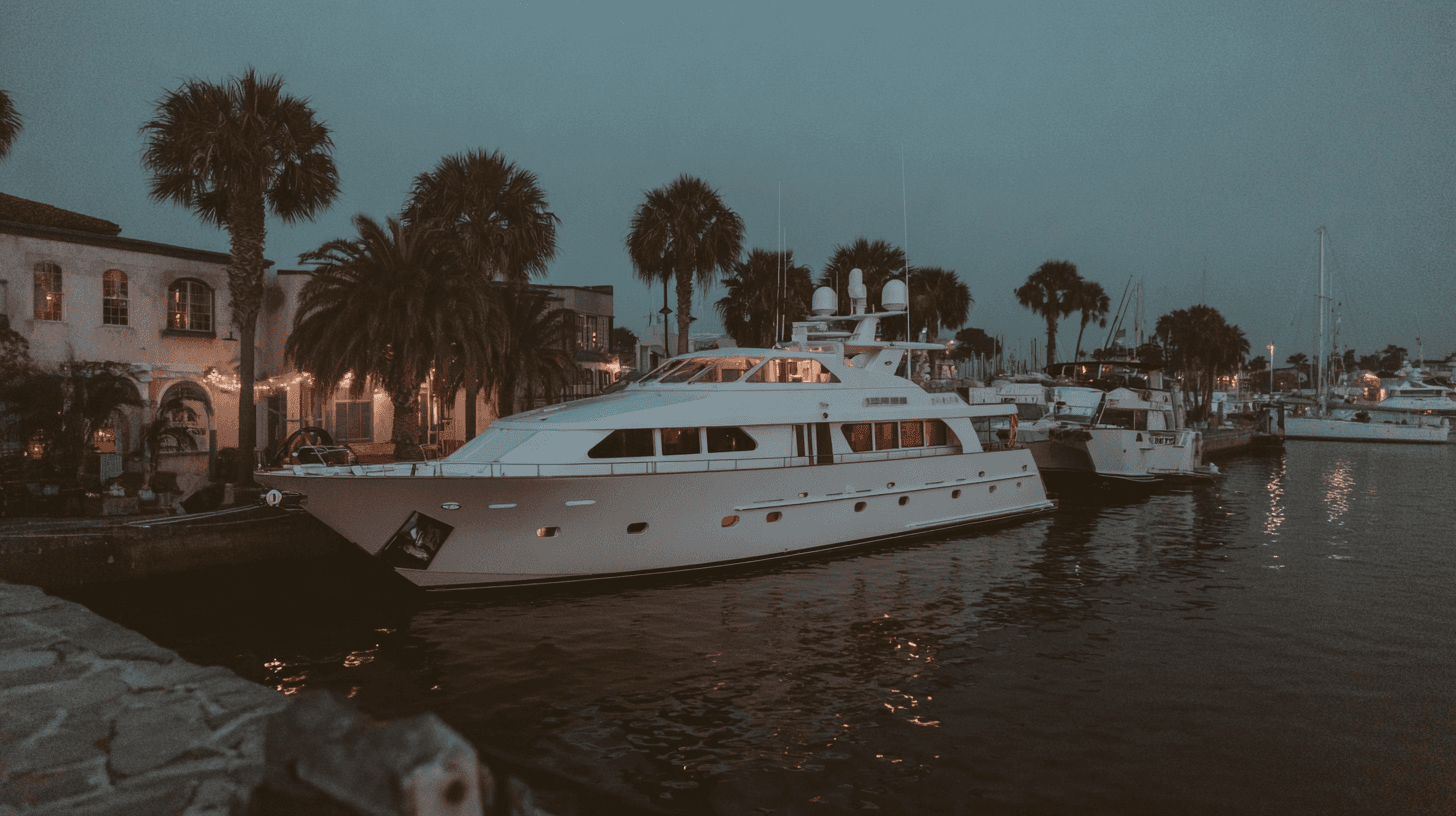
Grosse Pointe Park's Windmill Pointe Park operates the largest of the municipal facilities. Per the city's marina page, the harbor has 270 wells with electricity and water, handles boats up to 55 feet, runs a seasonal mooring calendar from mid-April to mid-November, and maintains a waitlist. It also offers transient wells by the day, reservable through the harbormaster, which is worth knowing even if you boat out of somewhere else entirely.
Grosse Pointe Farms' Pier Park harbor is available only to Farms residents, with waitlists managed by the city for the various well sizes.
Grosse Pointe Woods' Lake Front Park marina, per the city's harbor page, offers dockage for 224 boats up to 28 feet, plus dry storage, a launch, and kayak racks.
Beyond the municipal harbors, the private clubs anchor the shoreline, most famously the Grosse Pointe Yacht Club up in the Shores.
The practical takeaway for an owner: your slip situation in the Pointes is tied to your address, your boat's length, and your patience with a waitlist. The 55-foot ceiling at Windmill Pointe is the high-water mark for the municipal harbors; owners moving up past that length usually end up looking at club dockage or marinas elsewhere on the lake. That length question is worth settling before you buy the next boat, not after, and it's one of the things I walk through with owners in consulting on a boat purchase.
Before you move up in length
Confirm your harbor's maximum LOA, your well dimensions, and your position on the waitlist for a bigger well. A boat you can't dock at home is a boat you'll enjoy less than the one you have.
The water out front
What you get in exchange for the waitlist is location. The Grosse Pointe shoreline sits on the lake's southwest corner, which means two things.
First, you're close to everything. The open lake is right there. The run across to the Canadian shore, up to the middle of the lake, or north toward Anchor Bay is all day-trip water.
Second, you're close to the river. Windmill Pointe marks the corner where Lake St. Clair funnels into the Detroit River, and that proximity means freighter traffic is part of the scenery. The shipping channel works across the lake toward the river's mouth, and a loaded laker doesn't maneuver for anybody. Know where the channel runs, cross it deliberately, and give commercial traffic the room it needs.
Lake St. Clair itself is shallow, and it kicks up a short, steep chop fast when the wind builds. It's forgiving water on a calm day and genuinely rough on a bad one. I covered the lake's personality in more depth in my Lake St. Clair piece.
Tight harbors reward good boat handling
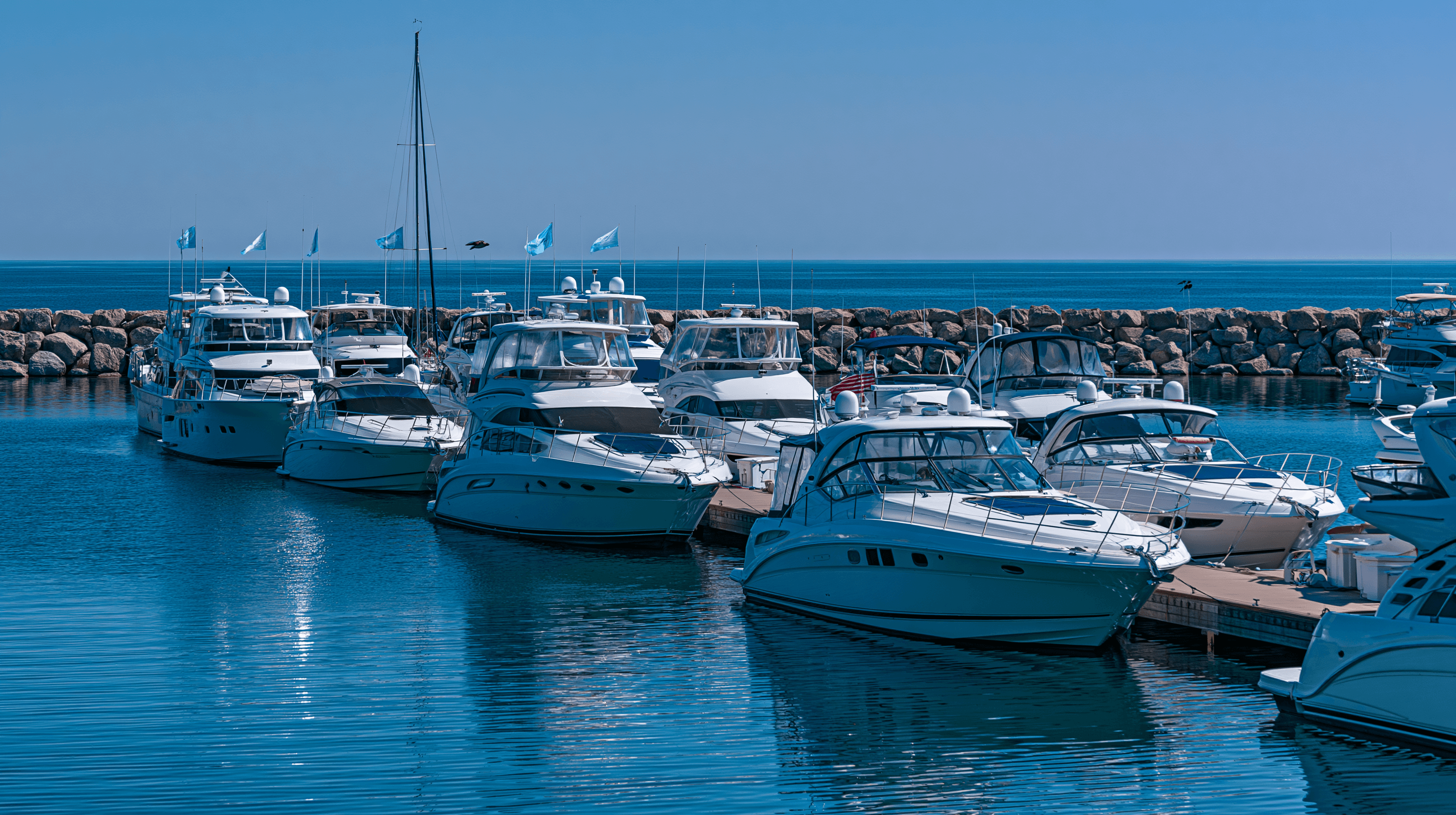
The municipal harbors are compact, and the fairways don't leave much margin. Add a crosswind off the lake and a well between two boats whose owners are watching from their cockpits, and you have the exact situation that makes people dread coming home. It shouldn't. Docking is a learnable skill with a repeatable process, and doing it well in a tight municipal harbor is mostly preparation: lines and fenders set before you enter, a clear plan with your first mate, and an understanding that the stern drives the boat, not the bow. I wrote up the full approach in how to dock with confidence, and it's the first module in Captain's Coaching for a reason.
Season's start and season's end
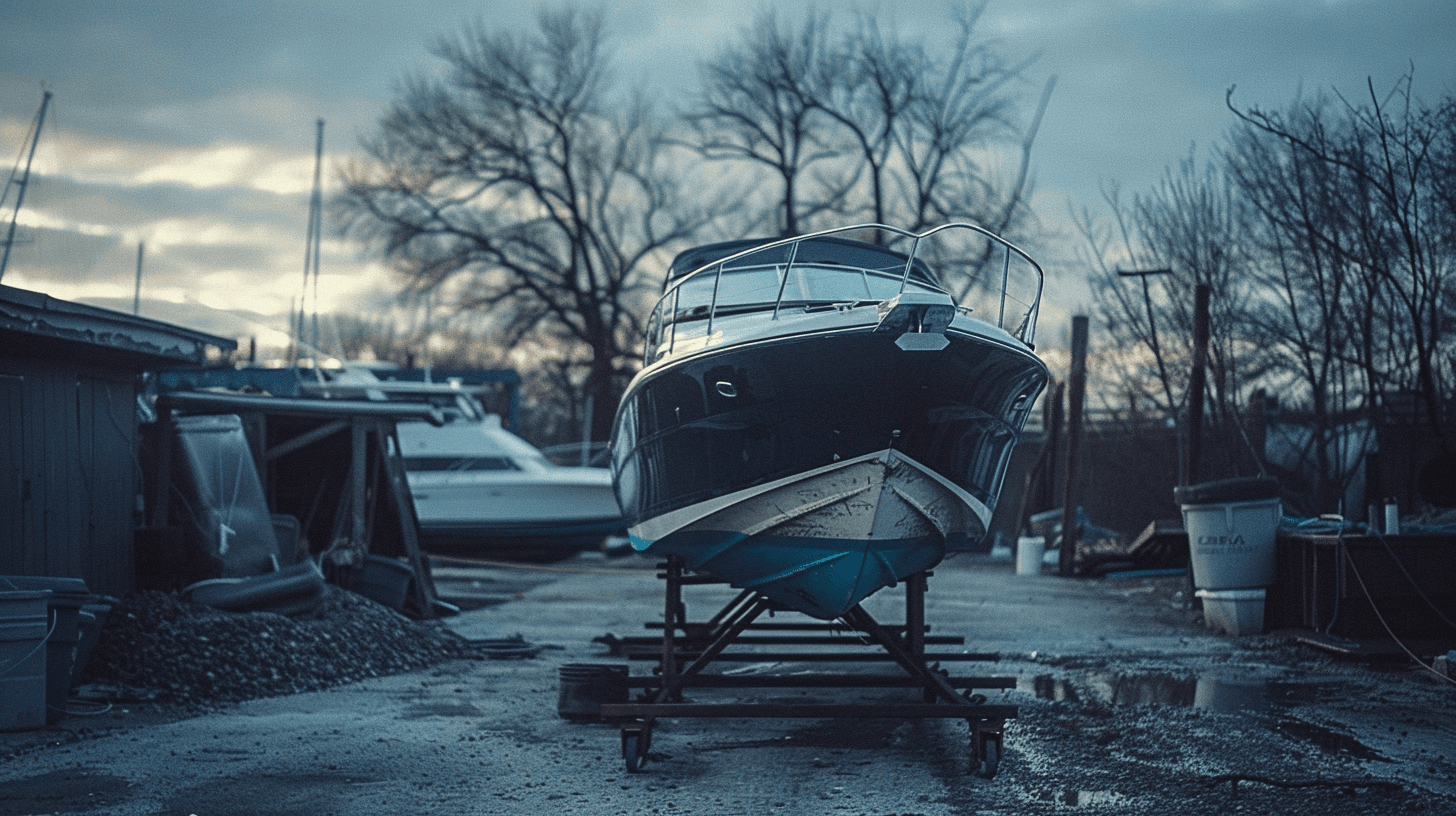
The mid-April to mid-November harbor calendar means every Grosse Pointe boater lives with two crunch weeks a year: launch and haul-out. If your spring commissioning, shakedown, and delivery to the well feel like more than you want to manage, or the boat needs to move to or from winter storage, that's work I handle across the lake and the river.
And if you're weighing what boat ownership in the Pointes should look like next season, whether that's a bigger boat, a coaching day out of your own harbor, or a delivery, a quick call sorts out most of it.