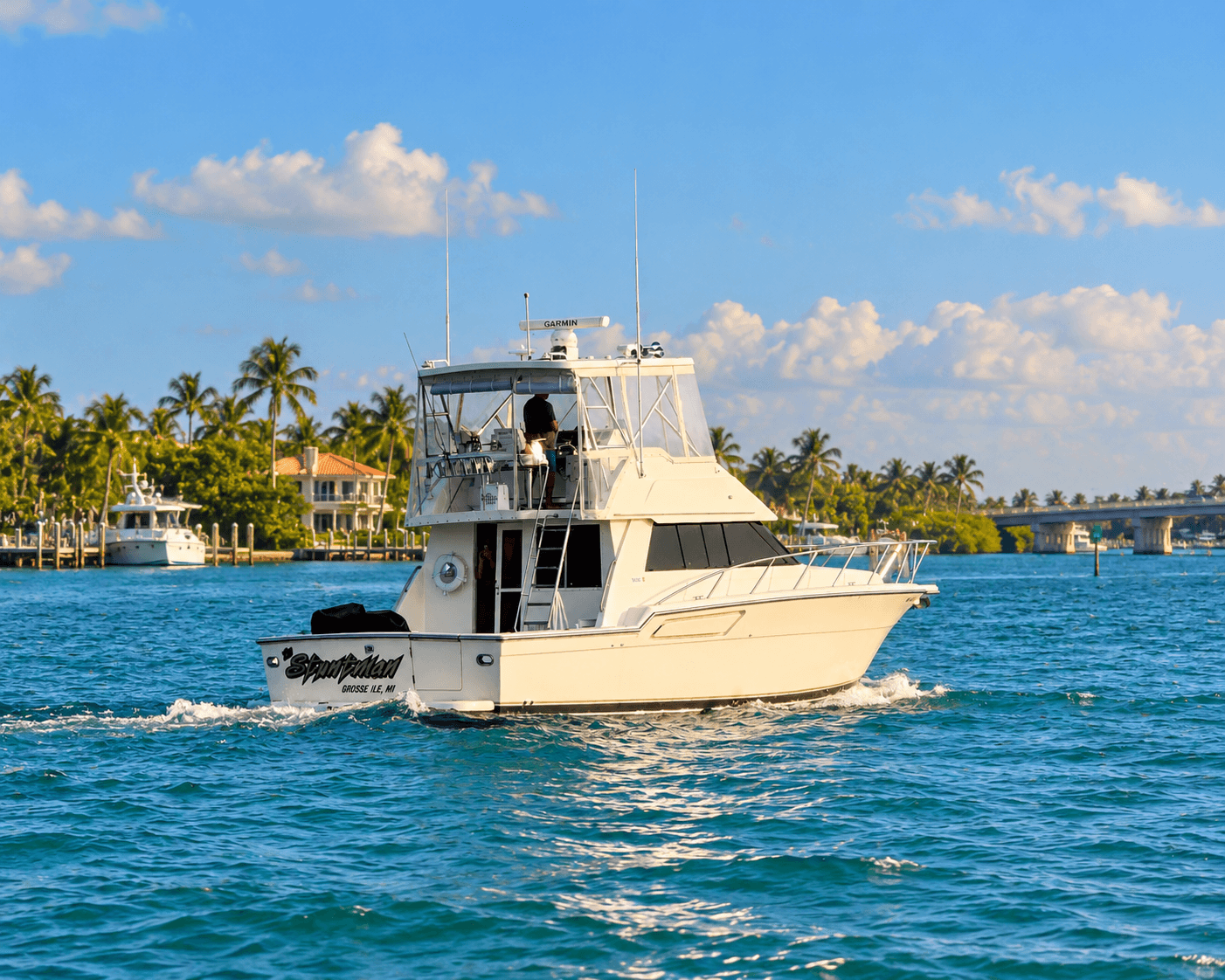
Boat and Yacht Delivery Across Florida
I’m a USCG-licensed boat delivery captain, and I run deliveries all over Florida: new boats off a dealer’s dock, moves across the state, runs to the Bahamas and the long trip north on the ICW. Each run comes with a route plan, a written agreement and itemized expenses.
Or give me a call at (248) 497-5791. If I'm on the water, I'll call you back same day.
WHERE I RUN
Within Florida, into it and out of it
A lot of Florida deliveries are short: a new boat from the dealer to your marina, or a move to a new slip. Others cross the state on the Okeechobee Waterway, go over to the Bahamas or head north for the summer. I come to the boat wherever she is, and we start from there.
Atlantic coast
Gulf coast
The Keys
Across the Okeechobee
The Bahamas
North to the Great Lakes

NEW BOATS
New boat from a Florida dealer or builder?
Plenty of new boats in Florida go home by water. The dealer hands over the keys, and somebody has to run her from the dealer’s dock to wherever she’s going to live. It’s the boat’s first long day, which is when anything the commissioning missed tends to show up. Dealers and brokers can book the same run: a boat from the builder’s yard to the showroom, or between their locations.
Bigger than your last boat? Read your insurance policy before the first run. If your insurer wants hours with a captain before you run her alone, that’s an insurance check ride, and a ride-along run can count toward it with your carrier’s OK.
HOW LONG IT TAKES
How long a Florida run takes
Every estimate starts with the same math: the miles, divided by what the boat covers in a day of daylight running. At trawler speed, 6 to 8 knots, that’s roughly 60 to 80 miles a day. Here’s how it works out on the runs I’m asked about most:
Across the state
Stuart to Fort Myers on the Okeechobee Waterway: 154 miles and five locks
Down the east coast
Fernandina Beach to Miami on the ICW: about 370 miles
Over to the Bahamas
South Florida to Bimini, across the Gulf Stream: about 50 miles
North to the Chesapeake
Miami to Norfolk on the ICW: 1,089 miles
Up to the Great Lakes
By the ICW, the Hudson and the New York canals: 1,800 to 2,000 nautical miles
Add days for weather, bridge openings and no-wake zones. Faster boats cover more miles a day but stop more often for fuel. The ICW and Okeechobee distances are statute miles, from NOAA’s Coast Pilot and the South Florida Water Management District; Bimini’s is from the Bahamas tourism board. The Great Lakes figures come from the Great Lakes to Florida guide below.
THE BAHAMAS
Bahamas runs
Bimini sits about 50 miles off Florida’s east coast, so the crossing is the short part. Most of the work is picking the day: the Gulf Stream runs north between here and there, and a north wind against it builds steep seas in a hurry, so we go when the two aren’t fighting. The rest is paperwork, and it’s easy if it’s done before we leave.
Before we leave
A cruising permit, started online through Bahamas Customs’ Click2Clear system.
Aboard
Passports for everyone on the boat, the boat’s registration or title and, on a boat over 50 feet, working AIS.
On arrival
The yellow quarantine flag goes up, and I clear the boat in with Customs and Immigration at a port of entry. Nobody else goes ashore until we’re cleared.
Coming home
We report our arrival to U.S. Customs and Border Protection right away, usually through the CBP ROAM app. A boat 30 feet or longer also needs CBP’s annual user fee decal.
The official versions: Bahamas Customs on cruising permits, the Bahamas boating rules, CBP’s reporting requirement and the user fee rule.
HOW IT WORKS
How a delivery works
01
The call
Tell me about the boat, where she is, where she’s going and when. I’ll sketch the route and the days. Deliveries run on a day rate, plus travel and expenses.
02
The paperwork
A written agreement covers the route, the rate, expenses and what happens if weather or the boat holds us up. You get a readiness checklist for the boat, and your insurer gets the captain’s credentials for the rider.
03
The run
A systems check before we leave, a float plan filed with someone ashore and a check-in at the end of every day. Weather decides when we go.
04
The handoff
The boat comes back secured, with a trip log and an itemized list of expenses. Anything that needs attention comes to you in writing.
There’s no rate sheet, and I explain why in why deliveries run on a day rate.
RATHER BE ABOARD?
Ride along and learn her on the way
If the boat is new to you, the run home is the best lesson you’ll get on her. With owner-assisted delivery you take the helm for the legs you want to learn, with a captain beside you for all of it.
WHO SHOWS UP
Who runs your boat
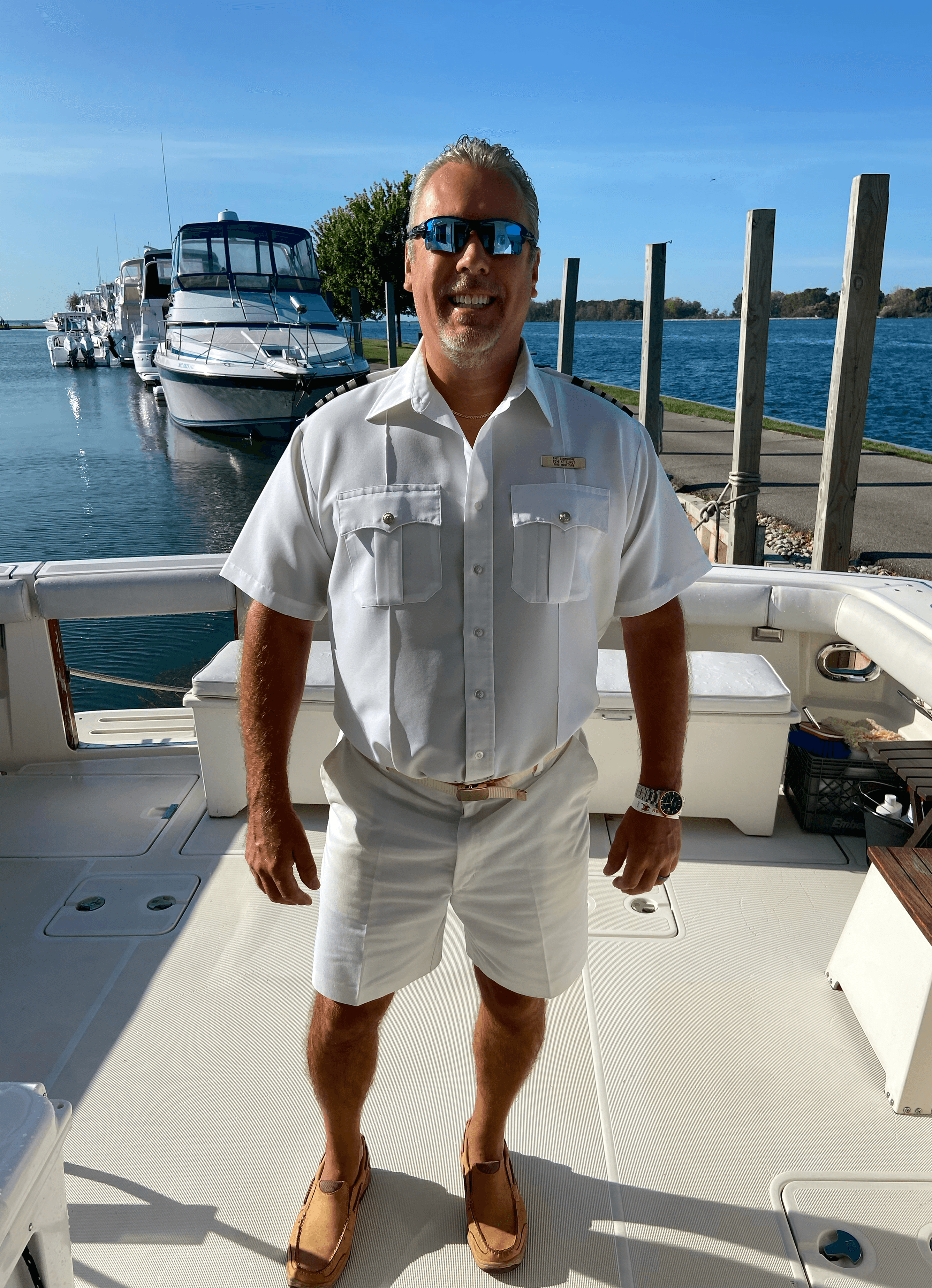
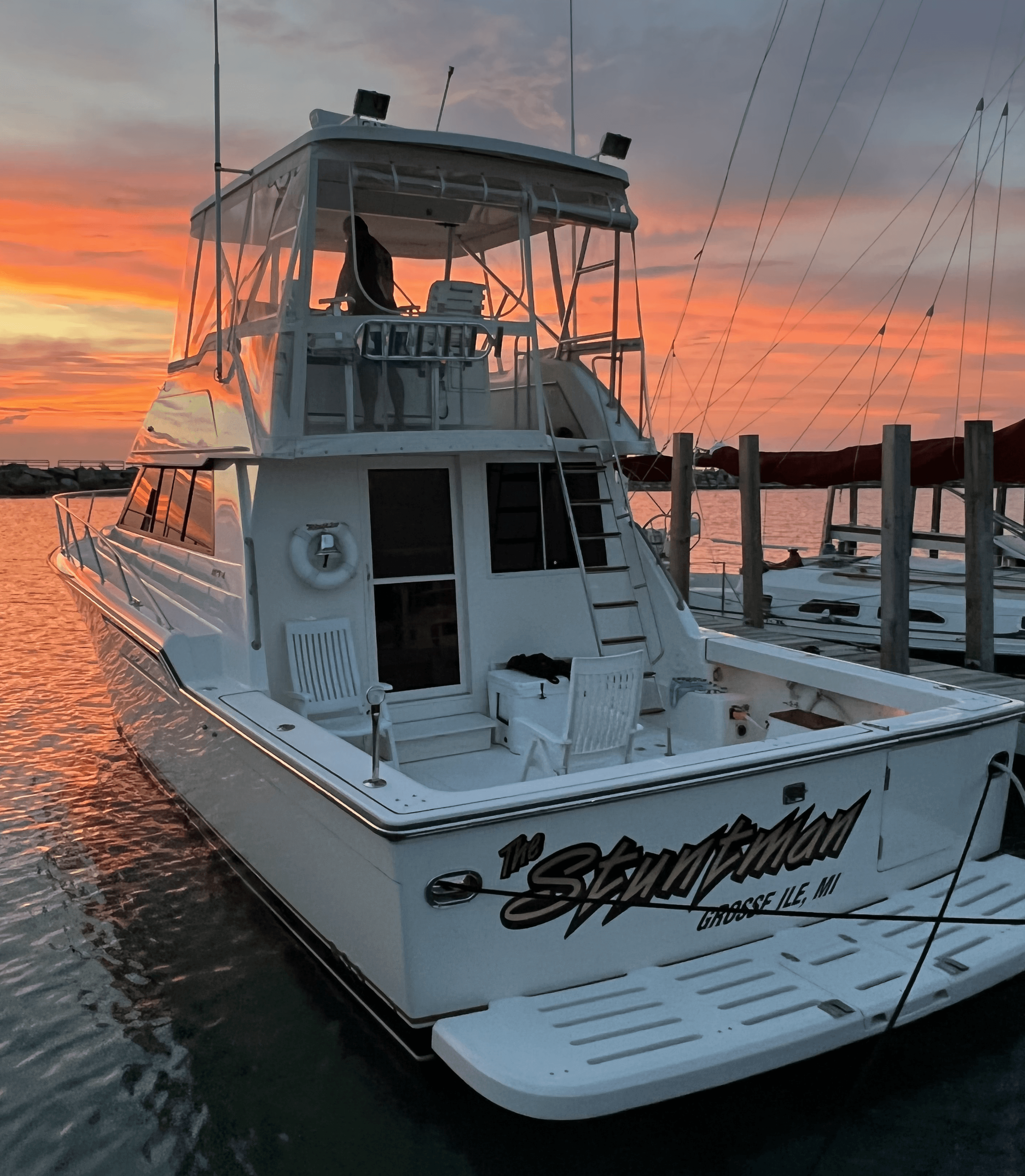
It’s me, or a licensed captain I’ve vetted and worked beside. When I’m in Michigan, those captains take the Florida runs, working under Offshore Captain Services. You’ll know who’s coming ahead of time.
Whoever it is, their credentials go to you and your insurer before the lines come off. What your carrier needs for the rider is in insurance riders for delivery captains, and you can check any captain’s license yourself in about two minutes.
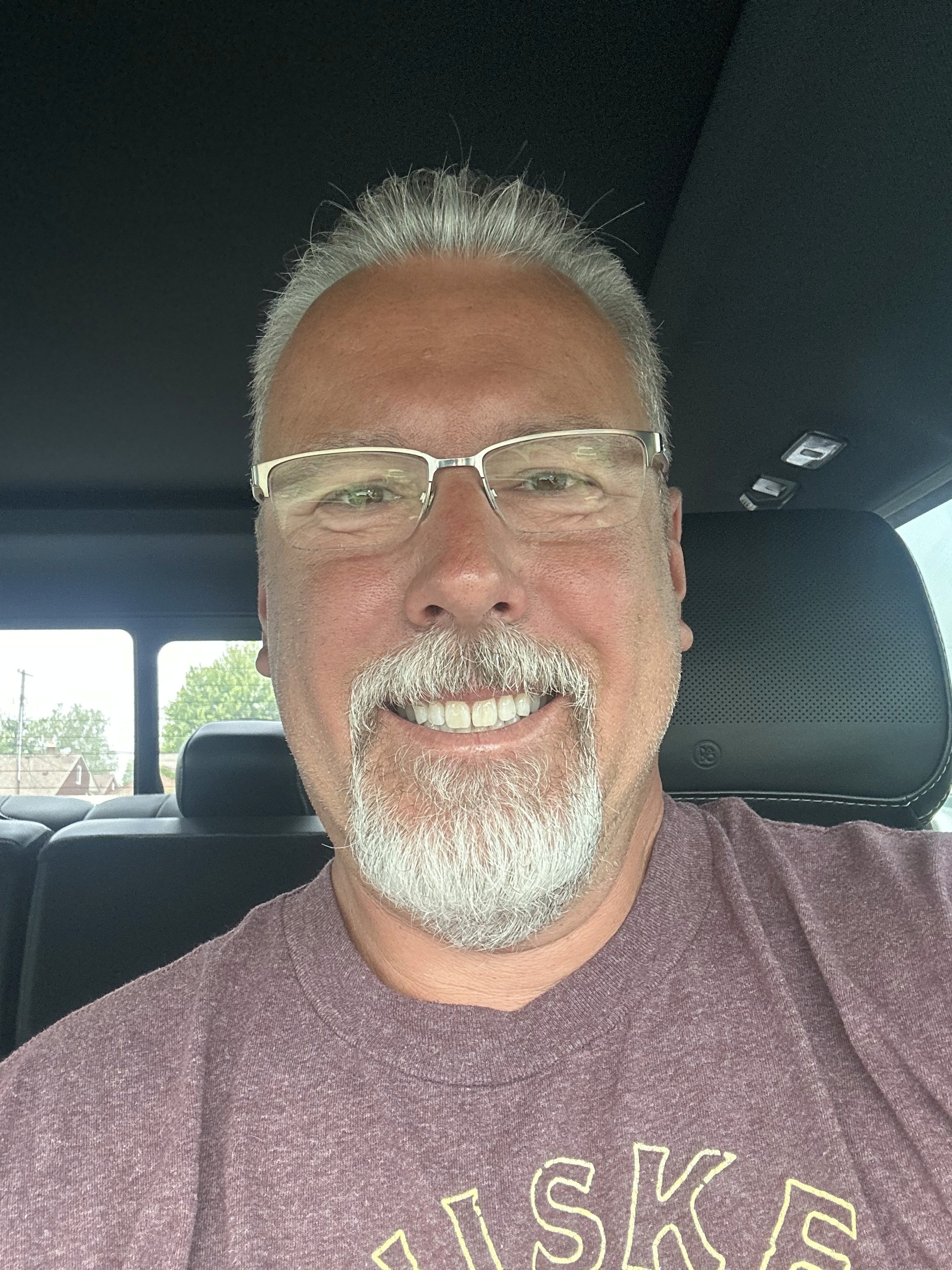
Tom Ketelhut
Owner, Offshore Captain Services
CREDENTIALS
Licensed for the whole run
My USCG Master 100-ton license covers inland water, which in Florida takes in the ICW, the Okeechobee Waterway, the bays and the rivers. My 50-ton Near Coastal license covers the ocean side, up to 200 miles offshore, which takes in the crossing to the Bahamas. Both carry the Commercial Towing Assistance endorsement.
You can check all of it with the Coast Guard using my Mariner Reference Number, 2913289. The details are on my credentials page, and when your insurer asks, I send them my credential submission directly.