
Hurricane Boat Relocation in Florida
Hurricane boat relocation works best when the plan is made before the season and the boat moves early, while the bridges still open and the yards still have room. I’ll work out that plan with you anywhere in Florida, so that when a storm threatens, a licensed captain can run her to an inland marina, a hurricane hole or the yard. If a storm is already in the forecast, call today.
Or give me a call at (248) 497-5791. If I'm on the water, I'll call you back same day.
BEFORE JUNE 1
Settle the plan before the season
Every storm move comes down to four questions: where she goes, how she gets there, who runs her and whether your insurer has signed off. Start with your dock contract, since some marinas require boats to leave when a hurricane threatens, and some want the owner’s plan in writing. Settle the rest in the spring, and a storm move becomes a delivery with a deadline instead of a scramble.
Where she goes
The route there
Who runs her
Your insurer’s OK

WHAT I DO
Before the season, before the storm and after it
The plan decides which of these fits your boat.
TIMING
How the window closes
Bridges, ports and boatyards all start getting ready for a hurricane days before it arrives, and each step closes off part of a move. Here’s the order it usually goes in.
Before June 1
The plan gets made, she goes on a yard’s storm list if she’s being hauled, and there’s time to run the route once. Nothing is in a hurry yet.
A storm in the forecast
BoatUS’s advice is to prepare or move her when a hurricane is a substantial possibility, before a watch is even issued. That’s when I want the call.
72 hours out
When winds over 39 mph are possible within 72 hours, the Coast Guard sets Port Condition Whiskey and advises pleasure craft to seek safe harbor.
Hurricane watch
NOAA issues a watch 48 hours before tropical-storm-force winds are expected. Waiting for it may leave too little time to move her.
Hurricane warning
Issued 36 hours ahead, and BoatUS calls it too late, in most situations, to head for the boat. Bridges open less often, a run that takes an hour on a calm day can take two or more, and yards haul the boats already on their lists.
24 hours out
With gale-force winds expected within 24 hours, the Coast Guard sets Port Condition Yankee. Vessel movement in the port is restricted, and every move needs the Captain of the Port’s approval.
Bridges lock down
Drawbridges may stop opening once sustained winds reach 25 mph or an evacuation is under way, and some counties lock theirs well before the storm. Around Jacksonville, most lock down about eight hours before gale-force winds and stay down until it passes.
Hurricane season runs June 1 to November 30, per the National Hurricane Center. The hours above come from NOAA’s watch and warning definitions and the Coast Guard’s port conditions for Hurricane Milton in 2024, in Miami and Jacksonville. Before that storm, Miami-Dade gave mariners a noon deadline to reach safe harbor, then began locking its drawbridges. The timing advice is from BoatUS’s hurricane guide, which is also the place to start on getting the boat herself ready.
FROM THE HELM
Checking a captain’s license
Two minutes with the Coast Guard’s own records.
Read it →
FROM THE HELM
Insurance riders for a hired captain
What your carrier needs before someone else runs her.
Read it →
FROM THE HELM
What a captain costs in Florida
How the day is priced, and what stays with the boat.
Read it →
HOW IT WORKS
How a storm move works
01
The call
Tell me about the boat, where she’s kept and where you’ll be during the season. Spring is the easy time to start.
02
The plan
We settle where she goes and the route there, and a written agreement covers the move. Your carrier gets the credentials of whoever will run her before the season starts.
03
The move
When the timeline above says go, she goes, and she’s tied up at the other end before the captain steps off.
04
After
Once the waterways reopen, she comes home, and anything that needs attention comes to you in writing.
Storm moves run on the day rate, like any delivery, plus travel and expenses. The yard’s bill, the dockage and the fuel stay with the boat, and the quote comes after we talk.
MOVING HER NORTH?
Boat delivery in Florida
Out of Florida for the season, home to the Great Lakes or anywhere along the way, with a route plan, a written agreement and itemized expenses.
RATHER RUN HER YOURSELF?
Learn the route with me
We can run the route to her storm spot together in the spring, with you at the helm, so you know the bridges, the depths and the way in.
NEED HER AT THE YARD?
A captain for the day
A haul-out, a service appointment or the move to storage, any month of the year, on your own boat.
WHO SHOWS UP
Who runs your boat
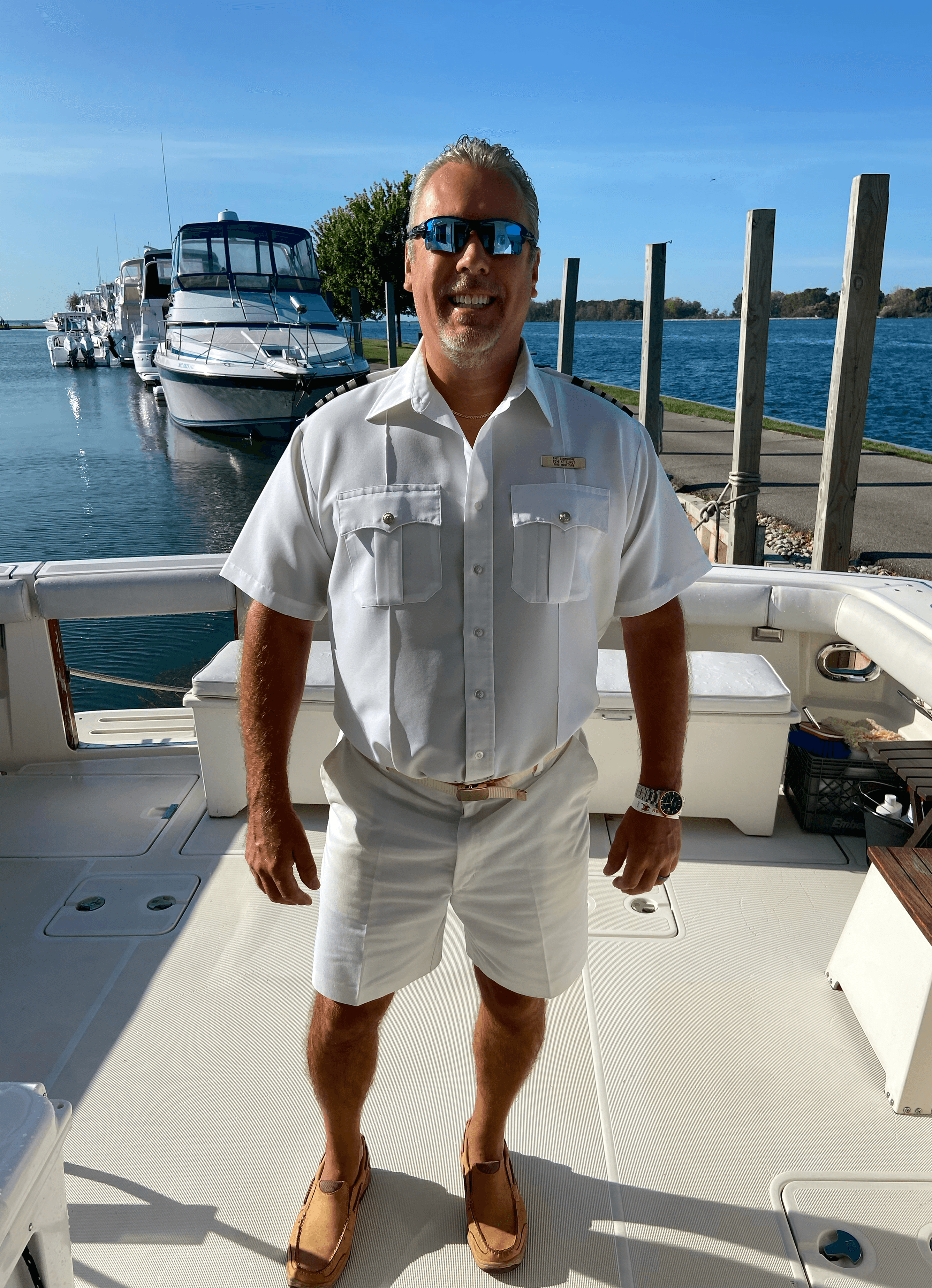
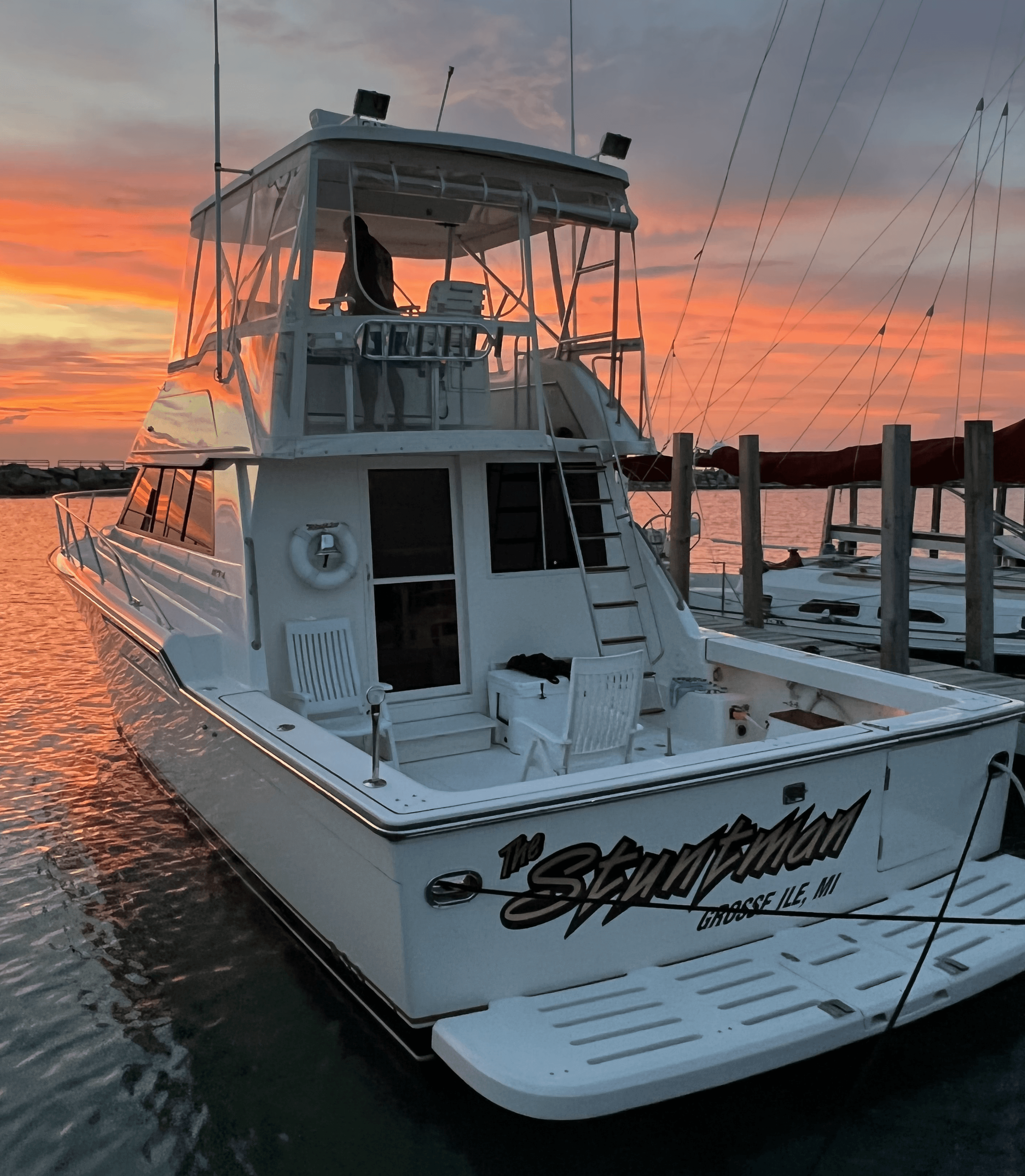
Sometimes it’s me. Hurricane season overlaps my season on the Great Lakes, though, so a storm move may be run by a licensed captain I’ve vetted and worked beside, working under Offshore Captain Services.
Whoever it is, their credentials go to you and your insurer ahead of time, not the day a storm shows up. It takes about two minutes to check a captain’s license with the Coast Guard, and I’d encourage you to.

Tom Ketelhut
Owner, Offshore Captain Services
CREDENTIALS
Licensed for your boat and your water
My licenses cover both kinds of Florida water. Inland water, meaning the ICW, the bays and the rivers, falls under my USCG Master 100-ton license. The ocean side, up to 200 miles offshore, falls under my 50-ton Near Coastal license. Both carry the Commercial Towing Assistance endorsement.
The details are on my credentials page, and your carrier gets my one-page credential submission whenever they ask for it.