Leaving the Dock in Wind: The Line Everybody Casts Off First
The line that gets you off a dock in twenty knots is usually the first one people throw off. Here's how a spring line does the work your throttle can't.

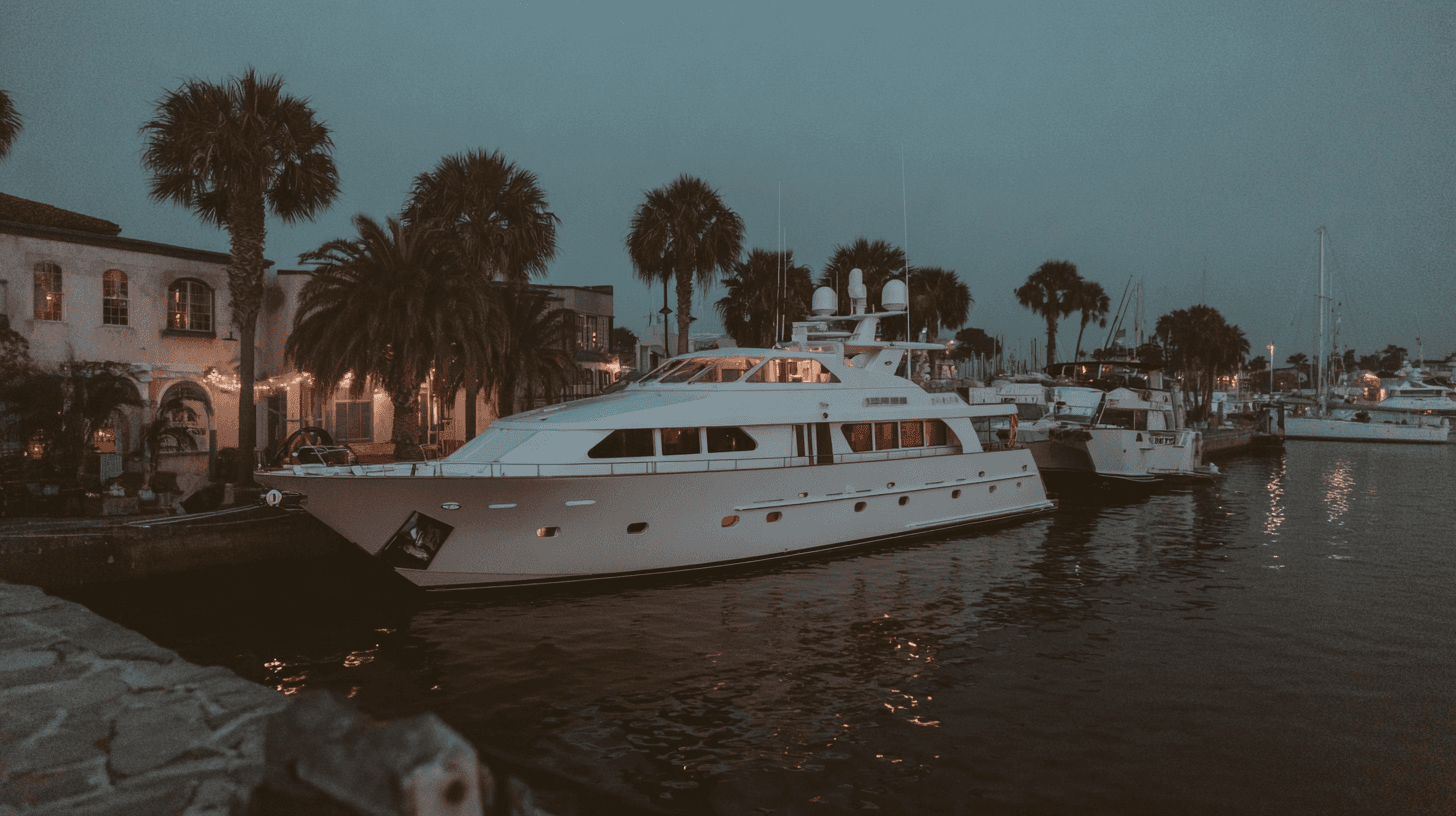
Eighteen knots out of the southwest had a 45-footer pinned against the seawall at my club last summer. Her owner spent fifteen minutes trying to power his way off it. Throttles up in reverse, thruster screaming, fenders squealing down the length of the boat. He got out eventually. He also left a scuff on his hull and a story that got told at the bar all afternoon.
He had a line aboard that would have done the whole job at idle. It was the first line he threw off.
Leaving the dock in wind is the maneuver nobody practices, and it’s most of what separates the people who look calm at a marina from the people who don’t.
Arriving gets all the practice
Ask any owner which part of boating makes them nervous and you’ll hear about docking. Coming in. The approach, the audience, the last twenty feet.
Nobody says leaving. On a calm day leaving is nothing: throw the lines off, idle out, done. So that’s what gets practiced, forty or fifty times a season, and it teaches you almost nothing. Then one Saturday there’s a beam wind holding you flat against the dock, a boat eight feet off your bow and another eight off your stern, and you find out you never actually learned to leave. I’ve written about the arrival already. This is the other half.
What a spring line actually does
A spring line isn’t a special piece of rope. It’s any dock line that runs at an angle along the dock instead of straight across it. Bow and stern lines hold the boat to the dock. A spring holds the boat along it, and that difference is the whole trick.
Here’s the mechanism. Tie one end of your boat to a point well down the dock in the opposite direction, and the boat can no longer travel that way. Now put the engine in gear against it. The boat wants to move and can’t, so it does the only thing left to it: it pivots. The line becomes a hinge, the fender becomes the pivot, and your engine at idle becomes a lever long enough to swing several tons of boat exactly where you want it.
That’s it. No horsepower, no thruster, no heroics.
Pick which end comes out first
The technique is easy. The decision is the skill.
There are two versions, and the wind, the current, and the boats around you choose between them.
To swing the stern out and back away. Run a line from a bow cleat aft to a dock cleat or piling behind you. Fender at the bow, where the hull will bear. Cast off everything else. Turn the wheel toward the dock, put her in forward at idle, and the bow eases into the fender while the stern walks out into open water. When the stern clears the boat behind you, shift to neutral, slip the spring, and back out. The BoatUS Foundation walks through this same maneuver in its docking guide.
To swing the bow out and drive away forward. Same idea, reversed. Run the line from a stern-quarter cleat forward to a dock cleat ahead of you. Fender at the quarter. Wheel toward the dock, engine astern at idle, and the bow swings clear. Slip the spring and go.
In both versions the wheel goes toward the dock, which is the opposite of what instinct says. Commit that to memory, because instinct will fight you the first few times.
Which one do you use? Whichever end has room to swing, and whichever leaves you pointed at open water instead of at your neighbor. Boat close behind you, take the bow out. Fairway ahead blocked, take the stern out and back away.
One caveat worth stating plainly: the BoatUS Foundation guide is written for single-engine boats, and that matters. Rudder behavior in reverse varies a lot between a single inboard, a sterndrive, an outboard, and twins. With twin screws you often don’t need the wheel at all, because you can split the engines and let them do the pivoting. Every boat is unique in how she handles, which is exactly why the last section of this article exists.
Rig it so you can get it back
Here’s the part that goes wrong even when the maneuver goes right.
A line under load cannot be untied. Once your engine is working against that spring, the hitch on the dock end is welded shut, and the person standing there with all the right intentions is now stuck.
So don’t tie it. Run it doubled: from a cleat on your boat, around the dock cleat or piling, and back aboard. Now it’s a loop you control from your own deck. When the moment comes you ease one end and pull it in. No dockhand required, and nobody left on the dock holding your line while you drift away from them.
Watch that the free end doesn’t foul on the piling as it runs. Flake it out clean before you start, the same way you’d flake anything you plan to run under load.
The fender does real work here
Every bit of that leverage lands on one spot on your hull, and it stays there for the whole maneuver.
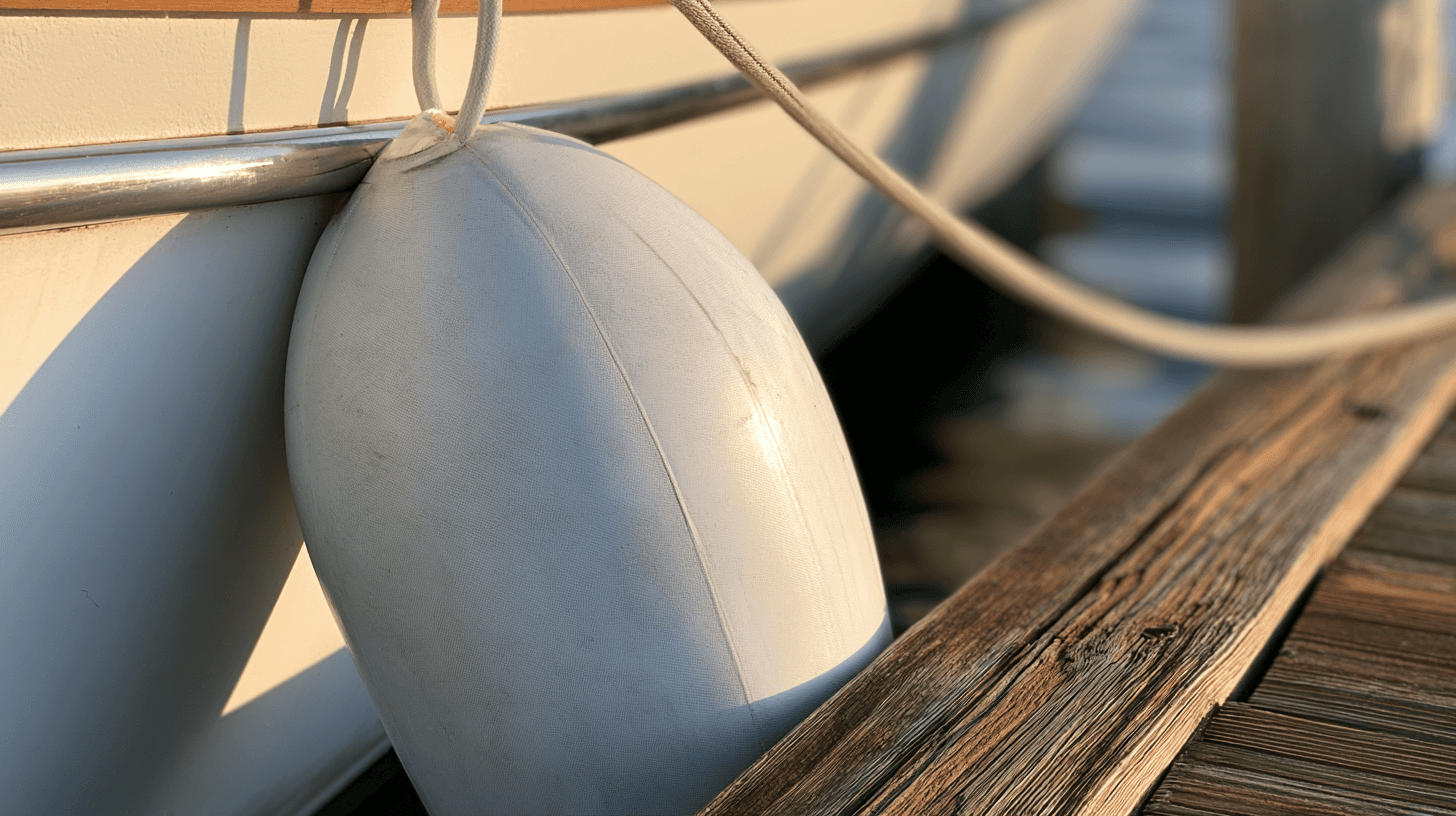
Put the fender exactly where the boat will bear: at the bow shoulder for a stern-out departure, at the quarter for a bow-out. Not amidships, where they’ve been hanging since you tied up. Check the height too, because a floating dock and a fixed dock with pilings want fenders set completely differently.
A fender in the wrong place turns a clean pivot into gelcoat work.
Nobody touches a throttle until everyone knows the plan
This is where people get hurt, and it isn’t hypothetical. The BoatUS Foundation’s docking guide catalogs real injuries from this exact kind of maneuver: a crew member whose fingers were crushed on a cleat when the skipper backed down hard without warning, a man on the dock pulled into the water when an engine came up under a line he was holding.
The maneuver puts load on a rope near people’s hands. That’s the entire risk, and briefing it away takes thirty seconds.
Before anything moves, say out loud which line stays on, which end is coming out, who’s tending the spring, and what the signal is to slip it. Then confirm the person tending it heard you. Agree on hand signals in advance, because engines and wind take voice away first, and the person on the bow is thirty feet from the helm.
This is squarely first mate territory. Holding a spring under load, tending the fender, and calling the clearance aft while the captain can’t see it is a real job with real technique behind it, and it’s a good part of what First Mate Coaching is for. It’s also why the good departures start well before the engine does.
The helpful stranger on the dock
Somebody is going to walk over and offer to help. They’re being kind and you should let them, but they need one instruction and they need it before you start.
A person who sees a single line holding a boat with tension on it will assume you want it off. That assumption, acted on at the wrong second, puts your bow into the boat ahead of you.
So tell them plainly: everything else can come off, this line stays on until I call for it. Then tell them what calling for it is going to look like. Most dockhands are glad to have the instruction. The ones who are good at it are already waiting for it.
On the rivers, current usually outranks wind
Everything above assumes wind is the force you’re working against. Around here, that’s a lake assumption.
On the Detroit River and especially the St. Clair, current is usually the bigger player, and it doesn’t gust or shift. It just runs. That’s good news, because a steady force is a predictable one.
Set your spring on a river dock and the current will often do the entire maneuver for you with the engine in neutral. Let it push the free end out, watch your clearance, slip the line, and go. The error is bringing a lake habit to a river dock and reaching for the throttle out of routine, when the water was going to hand you the departure for free.
Practice it on a Tuesday
Pick a flat calm weeknight evening, when the fairway is empty and nobody is watching.
Set the spring. Swing the stern out. Put her back alongside. Do it three times, then do the bow-out version three times. It takes twenty minutes, and you’ll learn more about how your boat pivots than a whole season of calm-day departures ever taught you.
That’s the point of practice. Not to be good at it on a Tuesday, but to have already done it when it’s Saturday, the wind is up, and there are eight people watching from the deck next door. Working through this on your own boat in your own marina is part of the docking module in Captain’s Coaching, and it’s usually the one owners are most relieved to have behind them.
One more thing, and it costs nothing: check the wind before you drive to the marina, not after you’re standing on the dock. The NOAA marine forecast will tell you what you’re walking into, and knowing there’s twenty knots on the beam changes what time you decide to leave.
The owner on the seawall last summer wasn’t a bad boater. He just didn’t have this in his hands yet, and he was learning it with the wind up and an audience watching, which is the worst classroom there is.
If getting off the dock is the part of the day you quietly dread, that’s a fixable problem, and it takes less time on the water than most people expect.