Keeping a Boat in Harrison Township: Marina Row, Anchor Bay, and the Ride Down the River
The Pointes have the waitlists. Harrison Township has the wells. Here's how boat ownership actually works on the busiest stretch of Lake St. Clair.

Captain Tom Ketelhut

When I wrote about keeping a boat in Grosse Pointe, the story was scarcity: beautiful water, municipal harbors, and a waitlist between you and a well. Harrison Township is the opposite story. No community on Lake St. Clair keeps more boats in the water, and if you're looking for a slip, this is where the supply is. The real question in Harrison Township isn't whether you can find a well. It's which kind of well fits how you actually boat.
Marina row
The Clinton River winds through the middle of the township on its way to the lake, and nearly every foot of it is working waterfront. Lambrecht Marina has been on the river since 1974 and holds 500 slips, the largest operation on the Clinton. Michigan Harbor adds another 450 wells, including covered ones, which are scarce on this lake. Between them sit a dozen smaller yards: gated storage marinas, in-and-out rack operations, boat dealers with service departments, family marinas that have been under the same name for generations.
Out on the shoreline, the two big resort harbors front Anchor Bay directly. MacRay Harbor, family-owned since 1980, runs floating docks on 80 acres just north of the river mouth. Safe Harbor Belle Maer holds 836 wells on fixed docks and takes boats up to 80 feet. Add up just those four facilities and you're past 2,000 wells before you've counted the small yards, the Lake St. Clair Metropark marinas and launch ramps, or a single private dock. The state's harbor guide lists the Metropark as the largest transient marina on the lake, which tells you something about how much boat traffic this few miles of shoreline handles on a July Saturday.
River well or lakefront well
This is the decision that shapes your season, and most owners make it on price or availability without thinking through the trade.
A river well buys you protection. The Clinton is calm in any weather, your boat sits out of the chop and the ice-shove zone, and most of the river yards do their own winter storage, so the boat travels a hundred feet in November instead of a highway mile. What it costs you is the ride: the river is idle-speed, and depending on where your marina sits, you'll spend a stretch of every single outing at no-wake before you see open water. If you boat three evenings a week after work, that idle adds up.
A lakefront well at MacRay or Belle Maer flips the trade. You clear the breakwall and you're on Anchor Bay, throttles up in minutes. You pay for that in exposure and in dollars, and you'll likely still need a winter storage plan.
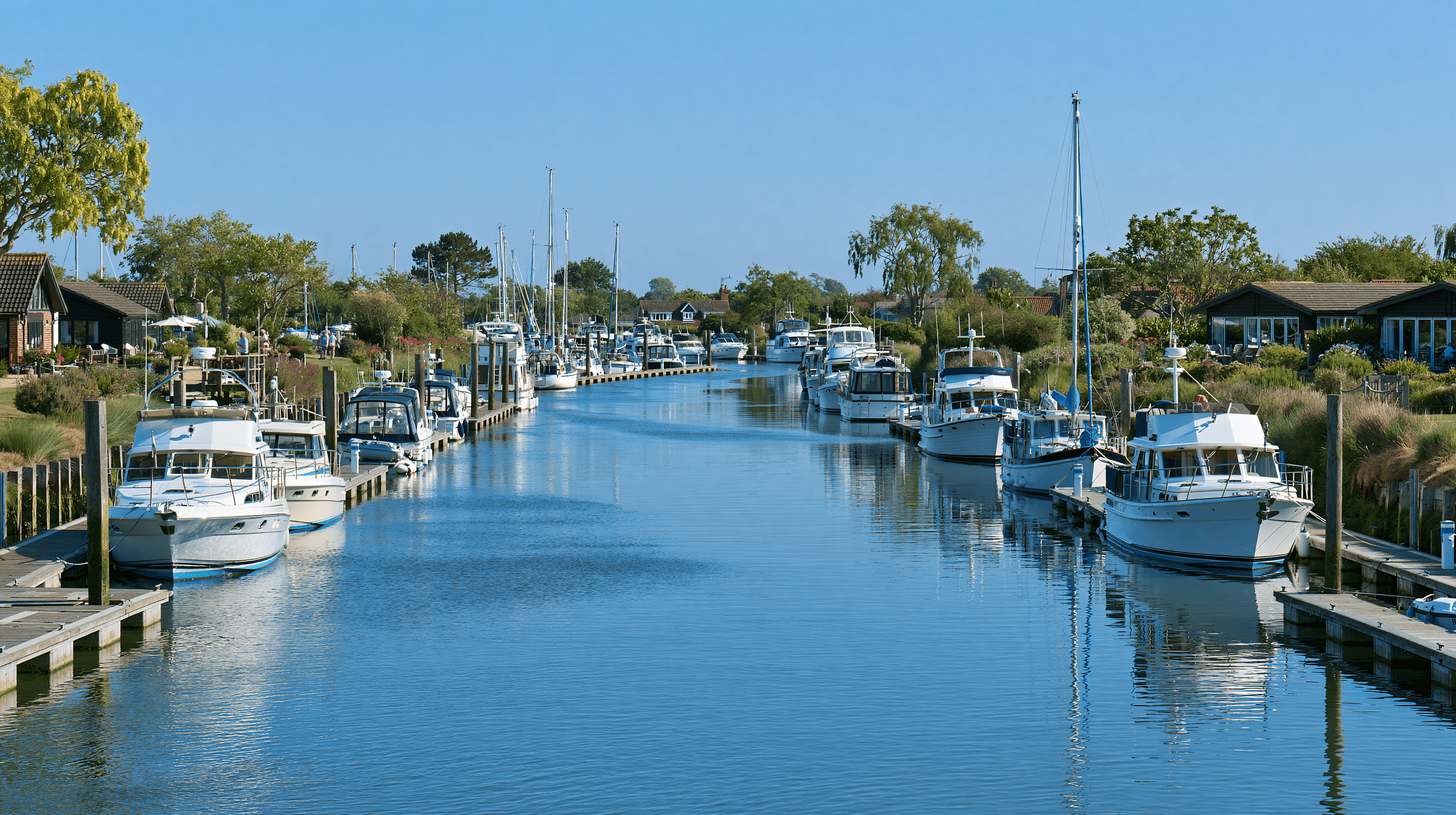
Neither answer is wrong. But the honest math is trips per season times minutes to open water, and I've watched owners fall out of love with a boat because the ride to the lake quietly ate the weeknight trips. If you're weighing a slip decision against a boat you haven't bought yet, that's exactly the kind of thing I work through in a purchase consult.
Before you sign for a well
Confirm the well's actual dimensions against your beam and LOA, ask what the idle-speed run to open water looks like from that specific dock, and ask what winter storage costs on site versus trucking out. The cheapest slip on the river is not always the cheapest season.
The water out front
What every Harrison Township boater shares is Anchor Bay: the wide, shallow, friendly top end of the lake. I wrote up that water in detail, but the short version is that it's some of the best casual boating in Michigan, with the sandbar scene, the North Channel run toward the St. Clair delta, and day-trip range to everything on the lake. Shallow water has a temper, though. Lake St. Clair kicks up a short, steep chop faster than owners expect, and the bay's depths reward knowing your chart rather than following the boat in front of you.
Two pieces of local color come with the territory. You share the sky with Selfridge, so military aircraft overhead are part of the soundtrack. And June brings the fish flies. Nobody's brochure mentions the fish flies.
Floating docks, fixed docks, and wind on your beam
Harrison Township is a good place to notice that dock type changes your docking. MacRay's floating docks and Belle Maer's fixed wells ask for different fender heights and different line setups, and a river well between finger piers is its own third animal. Preparing lines and fenders for a floating versus a fixed dock is one of the specific skills covered in Captain's Coaching, and the fundamentals don't change with the address: plan the approach, brief your crew, and remember the stern drives the boat, not the bow. The full method is in my docking article. A crosswind off Anchor Bay across a fairway full of spectators is where that preparation pays.
Two ends of the season
With this many boats packed into one township, launch and haul-out season is a genuine logistics event. Yards book solid, travel lifts run all day, and the good windows go early. I covered why fall haul-out books up in July, and Harrison Township is the poster child for it. If the spring splash, the shakedown run, the delivery to a new home port, or the fall move to storage is more than you want to manage yourself, that's work I handle all over this end of the lake.
And if you're settling into a new well on the river or the bay and want a coaching day out of your own harbor, a quick call sorts out most of it.
WRITTEN BY
Captain Tom Ketelhut
USCG Master since 2009: 100 GT Great Lakes, 50 GT Near Coastal. Home port Grosse Ile, Michigan; deliveries and coaching from Lake Erie to Lake Huron, and in Florida.
WHERE TO NEXT
Keep going
More from Lake St. Clair

Raft Off at Muscamoot Bay: The Biggest Day on Lake St. Clair, Run Right
Read Next →

A Spotlight on the Grosse Pointe Yacht Club: The Tower You Steer By
Read Next →

Keeping a Boat in the Grosse Pointes: Harbors, Waitlists, and the Water Out Front
Read Next →

Boating Anchor Bay: The Shallow End of Lake St. Clair Is the Best End
Read Next →

What Lake St. Clair Asks of Boat Owners
Read Next →
More on Ownership · next unread

Boat Delivery Cost: The Day Rate and How to Count the Days
Read Next →

What It Costs to Hire a Boat Captain in Florida
Read Next →

Boat Hurricane Plan in Florida: What to Settle by June 1
Read Next →

Bought a Boat in Florida? How to Get It Home
Read Next →

Checking a Captain's License Before You Hand Over the Keys
Read Next →

The Fall Haul-Out Checklist: What to Do Before the Lift, at the Lift, and on the Stands
Read Next →
THE SERVICE THAT HELPS
Coaching, deliveries and First Mate training for Harrison Township boat owners.
